Four Trails, Four Different Experiences
The Finger Lakes wine region produces more wine than any area in the eastern United States outside of California, and it’s organized into four official wine trails, each circling a different lake. They range from the 30+ winery sprawl of the Seneca Lake Wine Trail to the compact, half-day-friendly Canandaigua Lake Wine Trail. They share a climate — the deep lakes moderate temperatures on the surrounding hillsides, creating conditions where Riesling, Cabernet Franc, and other cool-climate varieties thrive — but the experience of visiting each one is different enough that choosing the right trail shapes your entire trip.
Seneca Lake Wine Trail: The Big One
The Numbers
Over 30 member wineries. A 45-mile loop around the deepest Finger Lake (618 feet). The largest organized wine trail in the region and one of the largest in the country.
What Makes It Different
Scale and depth. The Seneca Lake Wine Trail has enough wineries that you could visit for three days and not repeat a stop. The producers range from established estates like Hermann J. Wiemer Vineyard and Ravines Wine Cellars — both making Riesling and Cabernet Franc at a level that earns national attention — to smaller operations with tasting rooms in converted barns. The east side of the lake (Route 414) tends warmer and holds more of the well-known names. The west side (Route 14) runs cooler and offers a quieter tasting experience.
Signature Varietals
Dry Riesling leads, but Seneca is also the strongest Finger Lakes trail for Cabernet Franc, Gewurztraminer, and sparkling wine. If you’re interested in the full range of what the Finger Lakes can do, this is the trail.
Logistics
The full loop takes about 90 minutes to drive without stops. Plan for 45 minutes to an hour at each winery, and limit yourself to three or four in a day — five maximum — if you want to actually taste rather than just check boxes. The trail anchors at Geneva on the north end and Watkins Glen on the south. Parking is free at every tasting room. Tasting fees generally run $8 to $15, often waived with a bottle purchase. Several wineries have full kitchens or food menus: Red Newt Cellars Bistro on the east side combines a restaurant with a winery, and it’s one of the few places in the Finger Lakes where you can pair dinner with wines made on-site.
Best Approach
Pick one side of the lake per day. The east side (starting from Watkins Glen heading north) holds the highest concentration of critically recognized producers. The west side is better for a leisurely day with fewer crowds. See our full Seneca Lake guide for detailed stop-by-stop routing.
Cayuga Lake Wine Trail: America’s First Wine Trail
The Numbers
Roughly 15 member wineries. A loop around the longest Finger Lake (38.2 miles). Established in 1988 — the first organized wine trail in the Finger Lakes and one of the first in America.
What Makes It Different
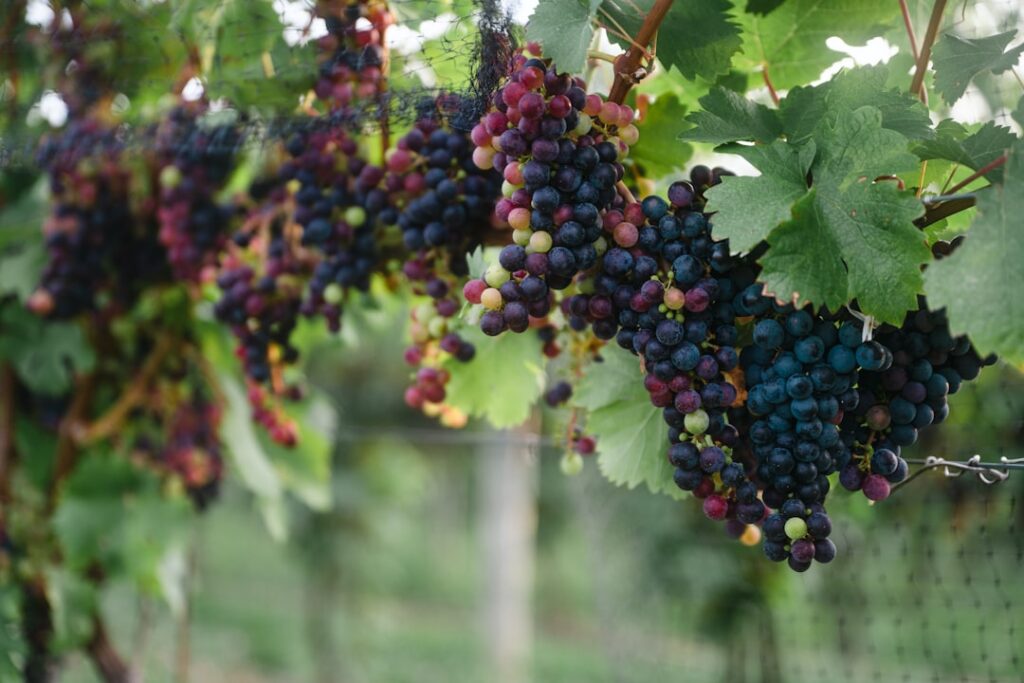
Diversity and charm. The Cayuga Lake Wine Trail has fewer stops than Seneca, but the producers cover a wider stylistic range — from straightforward fruit wines to serious dry Riesling and Pinot Noir. Several wineries are notably dog-friendly, with outdoor patios and water bowls, making Cayuga the better trail for traveling with pets. The western shore, where most wineries cluster, rises steeply above the lake, and many tasting rooms have views that rival anything on Seneca.
Signature Varietals
Riesling, Cabernet Franc, and Gamay Noir. Sheldrake Point Winery produces one of the region’s best Gamay. Buttonwood Grove turns out elegant Cabernet Franc. The trail also includes cideries and meaderies, broadening the tasting options beyond grape wine.
Logistics
The loop is smaller and more manageable than Seneca’s. You can comfortably visit four to five wineries in a day without feeling rushed. The trail’s southern end is near Ithaca; the northern end reaches toward Seneca Falls. Tasting fees are generally $7 to $12. Several wineries serve food — Thirsty Owl Wine Company has one of the better lakeside patios in the region.
Best Approach
Start on the western shore heading north from Ithaca and work your way to the northern end. Pair the wine trail with a morning stop at Taughannock Falls (8 miles north of Ithaca on the west side), and you get waterfalls and wine in a single day.
Keuka Lake Wine Trail: The Birthplace
The Numbers
Roughly 12 member wineries. A loop around the only Y-shaped Finger Lake (20 miles long). The smallest of the four trails and the one with the deepest history.
What Makes It Different
This is where it all started. The Pleasant Valley Wine Company began commercial winemaking in Hammondsport in 1860 — the first bonded winery in the Finger Lakes. Dr. Konstantin Frank proved vinifera grapes could grow here in the 1960s, and his estate on the western hillside above Keuka Lake remains one of the most important wineries in the eastern United States. The Keuka Lake Wine Trail is smaller, quieter, and more intimate than Seneca or Cayuga. Several of the producers are family-run operations where you’ll taste with the winemaker.
Signature Varietals
Riesling (Dr. Frank’s are legendary), Rkatsiteli, Vignoles, and Lemberger. Keuka also has more native and hybrid varieties than the other trails, reflecting its longer history. If you want to understand where Finger Lakes wine came from — not just where it is now — Keuka is essential.
Logistics
The Y-shape means you have three arms to explore, which actually makes routing more interesting. The southern arm (Hammondsport to the bluff) holds the historic wineries. The northwest branch (toward Branchport) has Heron Hill, with one of the best winery views in the region. The northeast branch (toward Penn Yan) includes Domaine LeSeurre, a French-run winery making Burgundian-style wines from Finger Lakes fruit. You can see the entire trail in a full day, or do it in a relaxed half-day if you limit stops to four.
Best Approach
Start in Hammondsport and work north. Dr. Konstantin Frank and Pleasant Valley Wine Company are non-negotiable stops. Then drive the scenic Route 54A along the western shore to Branchport, where Heron Hill’s elevated tasting room provides a natural midday pause. Refer to our Keuka Lake guide for detailed access points and driving directions.
Canandaigua Lake Wine Trail: The Day-Trip Trail
The Numbers
Around 8 member wineries and beverage producers. A compact trail around the 15.5-mile lake the Seneca people called “The Chosen Spot.”
What Makes It Different
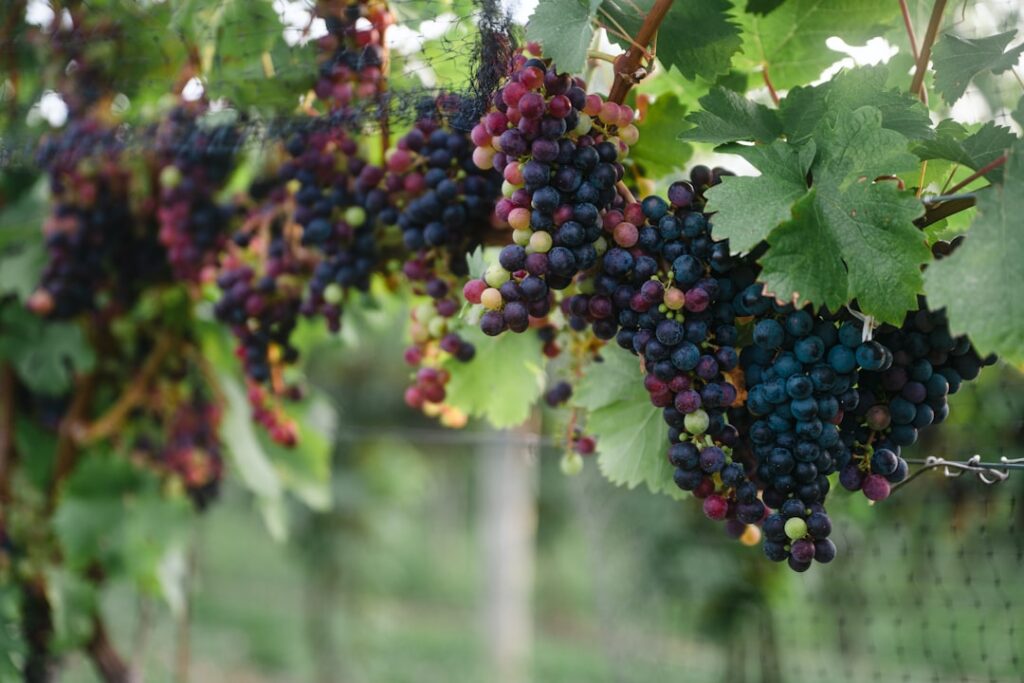
Size and accessibility. The Canandaigua trail is the smallest and most manageable of the four, which makes it the best option for a half-day trip or for visitors who find the idea of 30+ wineries overwhelming. The producers here tend toward smaller operations with a personal feel. Arbor Hill Grapery, in Bristol Springs, is known for wine-infused specialty products (grape sauces, dressings, and the grape pie filling that ships nationwide) as much as for its wines. New York Kitchen, on the lakefront in Canandaigua, offers hands-on cooking classes and guided flights that showcase producers from across the state.
Signature Varietals
The range is broad for a small trail — Riesling, Chardonnay, and several native and hybrid varieties. The Canandaigua trail also includes cideries and a distillery or two, making it more of a beverage trail than a strictly wine-focused one.
Logistics
You can visit every stop on the trail in a single day without feeling rushed. Canandaigua (the city) is the natural starting point, 30 minutes from Rochester. Tasting fees are generally $5 to $10. The lakefront in town, with Kershaw Park’s public beach, provides a non-wine activity to break up the tasting.
Best Approach
Pair a morning at the Canandaigua waterfront with an afternoon on the trail. Start with New York Kitchen for a tasting flight overview, then head south along the lake toward Naples and the Bristol Hills producers.
Side-by-Side Comparison
- Most wineries: Seneca Lake (30+)
- Oldest wine trail: Cayuga Lake (1988)
- Deepest wine history: Keuka Lake (winemaking since 1860)
- Best for a half-day: Canandaigua Lake
- Best for dog owners: Cayuga Lake
- Best single winery: Dr. Konstantin Frank (Keuka) or Hermann J. Wiemer (Seneca) — depends on who you ask
- Best winery view: Heron Hill (Keuka) or Lamoreaux Landing (Seneca)
- Best winery food: Red Newt Cellars Bistro (Seneca)
Do You Need a Car?
Yes. There is no practical way to tour any of the four wine trails without a vehicle. The wineries are spread along rural lake roads with no public transit connections. Options for non-drivers include organized wine tour companies (several operate from Geneva, Watkins Glen, and Ithaca with hotel pickup and designated driver service), hiring a car service, or biking — the Cayuga and Canandaigua trails have some bike-friendly stretches, though the hills are real. On Seneca, the distances between wineries make cycling impractical for most people.
If you’re tasting seriously, designate a driver or book a tour. Finger Lakes wineries pour generously, and the back roads between tasting rooms are winding, hilly, and patrolled.
Planning Your Trail Day
What to Expect at a Tasting Room
Most Finger Lakes tasting rooms operate on a fee-based model: you pay $8 to $15 for a flight of five to seven wines, poured in order from light to full-bodied, dry to sweet. The fee is often waived if you buy a bottle. Tastings are typically self-paced at a bar or counter, though some higher-end producers (Dr. Frank, Ravines, Wiemer) offer seated experiences or reserve tastings for an additional charge. No appointment is needed at most tasting rooms during regular hours, though calling ahead during the off-season (November through March) is wise — some wineries reduce their hours or close certain days.
The Best Time of Year
Summer (July and August) is peak season — expect crowds on weekends, especially on the Seneca Lake trail. September and October bring harvest season, smaller crowds, and fall color on the hillsides above the vineyards. May and June are shoulder season: most wineries are open, the weather is improving, and you’ll often have tasting rooms nearly to yourself. Winter wine touring is possible — many tasting rooms stay open year-round with reduced hours — and the Seneca Lake Wine Trail runs themed event weekends from November through April that draw dedicated wine enthusiasts.
Combining Trails
It is possible to visit wineries on two different trails in a single day, but do not try to do all four. Seneca and Keuka are the natural pairing — they are separated by a 30-minute drive over the ridge between the two lakes, and a morning on one trail followed by an afternoon on the other makes for a full but not frantic day. Cayuga and Seneca can also be combined if you are based in the corridor between Geneva and Ithaca. Save Canandaigua for a separate half-day — it is far enough west that combining it with the central trails adds significant driving time.