The Chosen Spot
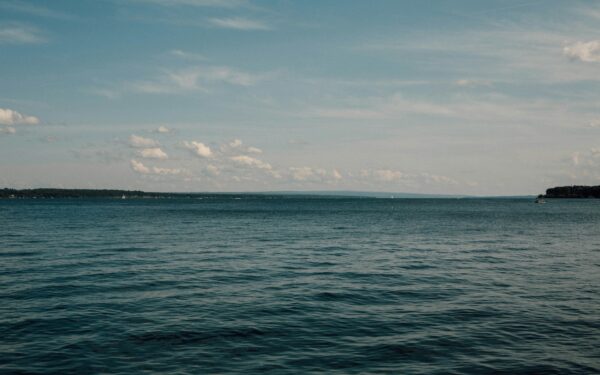
Canandaigua Lake takes its name from the Seneca word “Kanandarque,” which translates roughly to “The Chosen Spot” or “The Chosen Place.” The Seneca Nation’s creation story holds that the Seneca people originated on a hill near the lake’s south end — Bare Hill, a steep promontory on the east shore that rises sharply above the water. Whether or not you know that history, Bare Hill earns its reputation the moment you see it: from the summit, you look down the full 15.5-mile length of the lake, and on a clear day the view extends well beyond the northern shore into the Ontario County farmland.
At 276 feet deep and about a mile wide on average, Canandaigua is mid-sized among the Finger Lakes. It’s deep enough to support a cold-water fishery but accessible enough that the public swimming areas stay comfortable through the summer. The water quality is good — the lake serves as a supplemental water supply for the surrounding communities, and a watershed protection program keeps development along the shoreline more restrained than at some of the other lakes.
The City of Canandaigua
Canandaigua (the city) sits at the north end of the lake and has a downtown that actually functions as a downtown — not just a tourist strip, but a place where locals shop, eat, and run errands. South Main Street is the central artery, lined with 19th-century commercial architecture and a mix of restaurants, boutiques, and professional offices. The population is around 10,500.
The city has a significant place in American legal history. In 1873, Susan B. Anthony was tried and convicted in the Ontario County Courthouse for the crime of voting. The courthouse still stands on the east side of Main Street. Anthony was fined $100 — she refused to pay, and the government never collected.
Sonnenberg Gardens and Mansion
Sonnenberg Gardens is a 50-acre estate on the north side of town with nine formal gardens, a conservatory complex, and a Queen Anne-style mansion built in 1887. The gardens are maintained in period style: a Japanese garden, an Italian garden, a rose garden with more than 2,600 plants, and a rock garden among others. It’s open from May through October, and the gardens peak in late June through August. The wine and beer garden on the grounds operates through the summer season.
Kershaw Park
Kershaw Park sits at the foot of the lake in downtown Canandaigua and offers one of the best free public beaches in the Finger Lakes. The park includes a swimming area with lifeguards (in season, typically late June through Labor Day), a pier, a playground, and lakefront walking paths. On summer evenings, the park fills with families, and the Lady of the Lake paddlewheel boat departs from the pier for dinner cruises and sightseeing tours.
Parking in the immediate area fills quickly on summer weekends. The city lot on Lakeshore Drive is the primary option; arrive before 11 AM on a Saturday in July or August, or plan to park further up Main Street and walk.
The South End and Bristol Hills
The southern end of Canandaigua Lake is less developed than the north, with steeper hillsides and fewer houses. Naples, about 8 miles south of the lake, is a small village known for two things: the annual Grape Festival (held the last weekend of September, drawing upward of 75,000 visitors over two days) and the grape pies — a regional specialty made with Concord grapes that you can find at several bakeries in town.
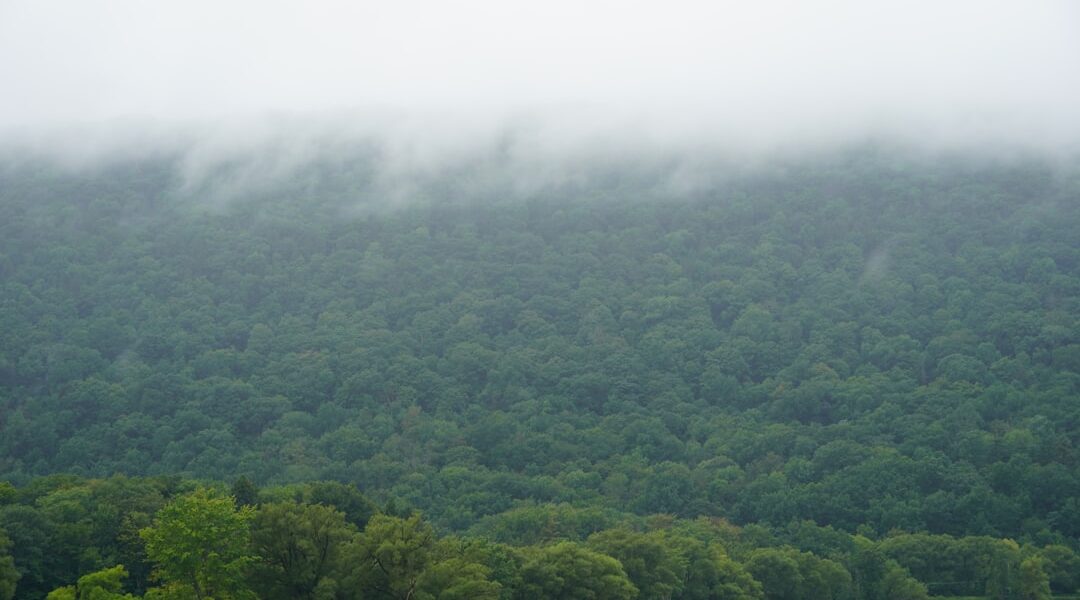
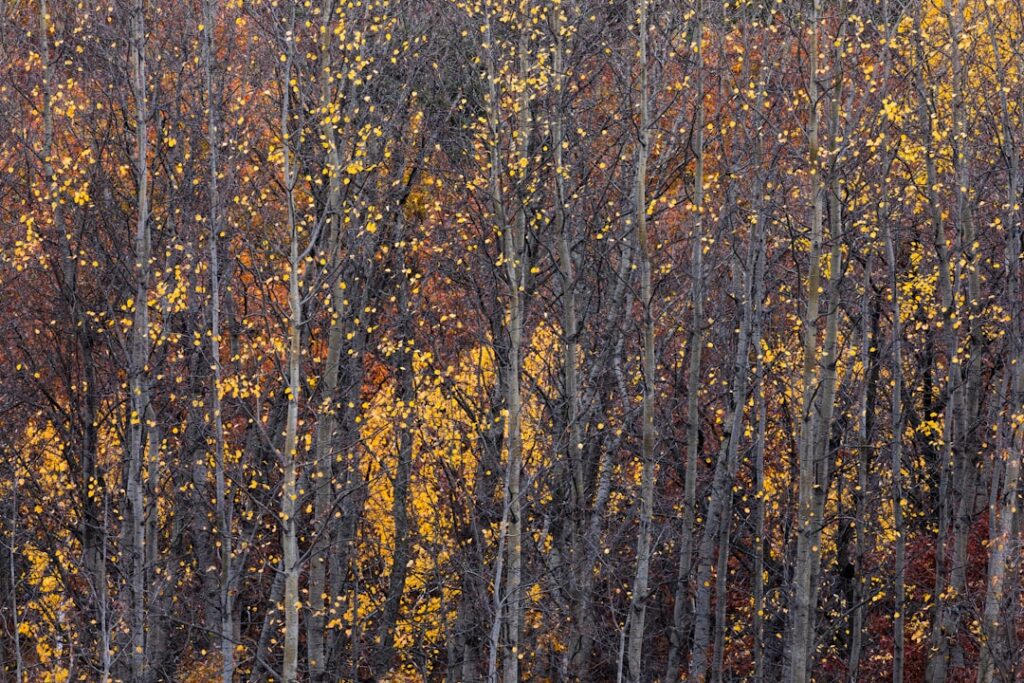
The Bristol Hills that frame the lake’s southern end offer some of the best back-road driving in the Finger Lakes. Routes 21 and 245 wind through vineyard country with long views over the lake and surrounding valleys. In October, the fall color here is exceptional — the sugar maples on the west-facing slopes light up in the afternoon sun.
Wine and Spirits
Canandaigua Lake doesn’t have the concentration of wineries that Seneca and Keuka do, but the operations here tend to be smaller and more personal.
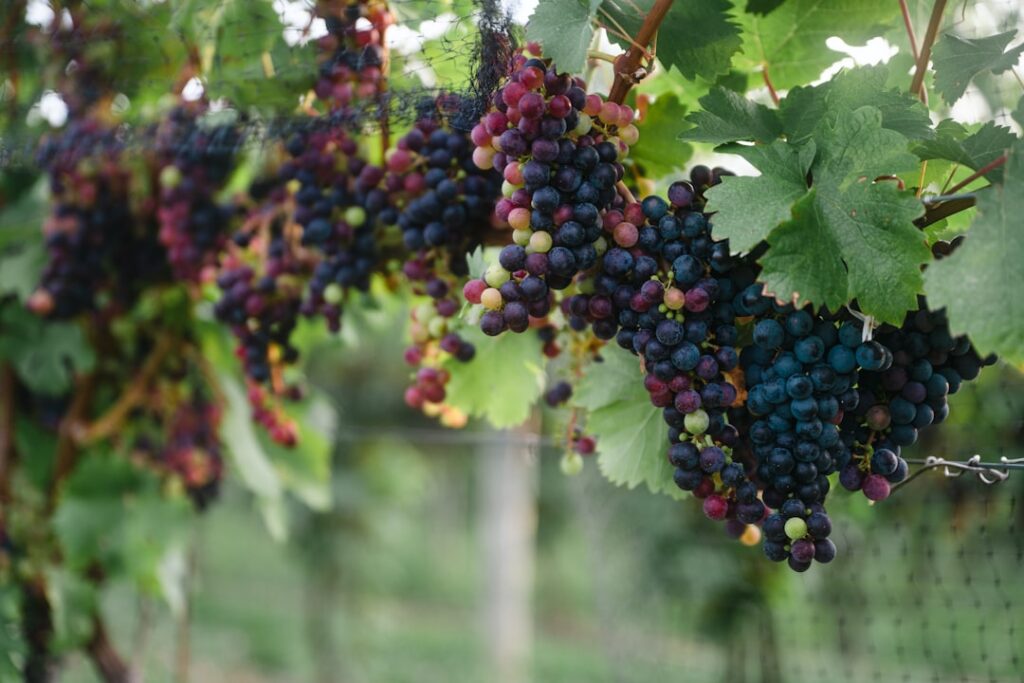
- Arbor Hill Grapery and Winery (Bristol Springs) — Known for their wine-infused sauces, dressings, and the grape pie filling that ships nationwide.
- Finger Lakes Distilling (technically on Seneca, but close to Canandaigua’s orbit) — Craft spirits including a well-regarded McKenzie Rye Whiskey.
- New York Kitchen (Canandaigua) — Not a winery, but a hands-on food and beverage education center where you can take cooking classes, do guided tastings, and learn about New York State agriculture.
On the Water
Canandaigua Lake is popular for boating, kayaking, and paddleboarding. The lake’s relatively moderate size makes it manageable for paddlers — you can cross it in about 30 minutes in a kayak on a calm day. Motor boats are permitted, and wakeboarding and waterskiing are common in the broader southern section.
Fishing targets lake trout and rainbow trout in the deeper water and smallmouth bass along the rocky eastern shore. The lake also holds a population of northern pike, primarily in the shallower northern section near the outlet.
Public Access Points
- Kershaw Park (Canandaigua) — Swimming, pier access, carry-in launch for small boats
- Onanda Park (west shore) — Town park with a swimming beach, boat launch, hiking trails, and cabins. The gorge trail at Onanda is a short but scenic loop through a hemlock-shaded ravine.
- Woodville Boat Launch (south end) — State launch site with parking
- Deep Run Park (east shore) — Town park with shoreline access
Distances
- Rochester: 30 miles to Canandaigua (about 35 minutes)
- Syracuse: 85 miles to Canandaigua (about 1 hour 20 minutes)
- Buffalo: 80 miles to Canandaigua (about 1 hour 20 minutes)
When to Go
Swimming season at Kershaw Park typically runs from late June through Labor Day. Sonnenberg Gardens opens in early May and closes in late October. The Naples Grape Festival, held the last full weekend in September, is the region’s largest food festival. Fall color peaks around Canandaigua in the second week of October. Winter is quiet, but cross-country skiing and snowshoeing in the Bristol Hills are worth the drive if there’s snow on the ground.