Why Visit in the Dead of Winter?
I will be honest: January and February are the least conventionally attractive months to visit the Finger Lakes. Average highs hover around 30 to 35 degrees. Snowfall varies wildly from year to year, but lake-effect squalls off the Great Lakes can dump several inches in hours. The gorge trails are closed. Many restaurants and tasting rooms keep reduced hours or close entirely. The days are short and the sky is often the color of a wet dishrag.
And yet.
If you approach the off-season on its own terms — not as a diminished version of summer but as a different experience entirely — January and February offer things no other months can. Winery tasting rooms with no wait and staff who have time to talk for 20 minutes about malolactic fermentation. Hotel rates slashed by 40 to 60 percent. Cross-country skiing through silent, snow-covered forests. Bald eagles perched on ice floes along the lakes. Restaurants where you can walk in on Saturday night and get a table.
The off-season is the Finger Lakes for people who actually want to learn about the region, not just Instagram it.
Winery Visits in Winter
This is the single best reason to visit the Finger Lakes in January or February. Summer tasting rooms are crowded, loud, and rushed — bartenders pour for 30 people at once, and your “tasting experience” is six sips while being bumped by someone’s elbow. In winter, the same tasting room has you, maybe one other couple, and a wine educator who can walk you through the vintage, the vineyard, and the winemaking process in depth. You will learn more about Finger Lakes wine in one winter tasting than in five summer visits.
Wineries open year-round on or near Seneca Lake include:
- Hermann J. Wiemer Vineyard: Their dry Rieslings are the benchmark of the region, and the winter tasting room is intimate and unhurried. Open Thursday through Monday in winter; check hours before driving out.
- Ravines Wine Cellars: Serious wines — dry Riesling, Cabernet Franc, Meritage blends — made by a Bordeaux-trained winemaker. The Geneva tasting room stays open year-round.
- Fox Run Vineyards: Their Taste Buds experience is one of the best educational tastings in the region, and it is even better when you are not sharing the room with 40 people.
- Glenora Wine Cellars: Open year-round with a restaurant and inn. The warmth of the tasting room and a bowl of soup at Veraisons make for a complete winter outing.
- Wagner Vineyards: The brewery and tasting room stay open, and their ice wine (harvested in the cold weeks you are visiting) may be available for tasting.
Important note: Many smaller wineries close entirely in January and February or operate on appointment-only schedules. Always call ahead. Do not drive 30 miles to find a locked door.
Cross-Country Skiing and Snowshoeing
When snow cover cooperates (typically 6+ inches), the Finger Lakes offers excellent Nordic skiing and snowshoeing on trails that are empty compared to Adirondack or Vermont destinations.
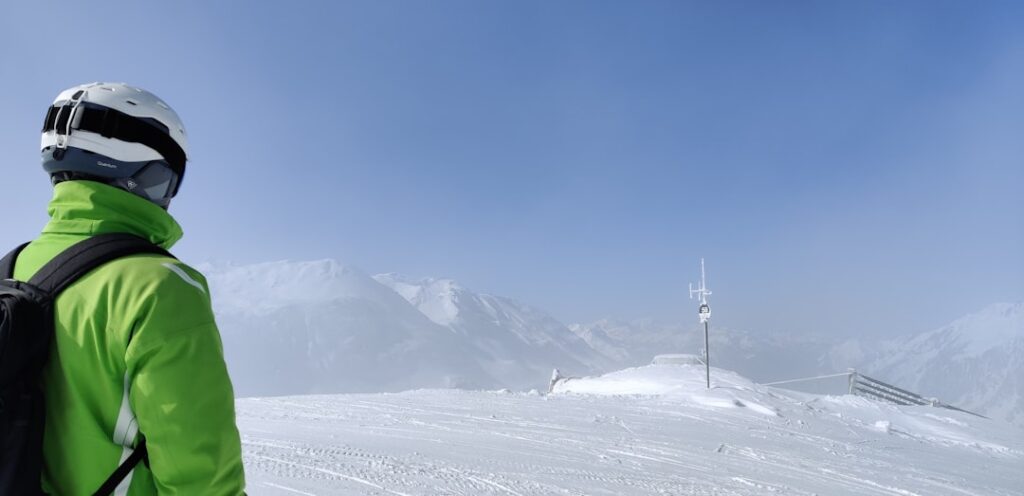
Finger Lakes National Forest (Hector): Between Seneca and Cayuga Lakes, the national forest has over 30 miles of trails through rolling farmland, pastures, and woodlands. In winter, ungroomed trails are available for skiing and snowshoeing. The Interloken Trail (12 miles) and Backbone Trail (5 miles) are the main routes. No entrance fee. The terrain is gentle — no steep climbs — making it ideal for intermediate Nordic skiers.
Taughannock Falls State Park (Trumansburg): The rim trails above the gorge remain open in winter and offer spectacular views of Taughannock Falls partially frozen — a 215-foot curtain of ice and flowing water. The North Rim and South Rim trails are about 1.5 miles each and manageable on snowshoes. The Gorge Trail itself is closed from November through May.
Harriet Hollister Spencer State Recreation Area (Honeoye): Groomed cross-country ski trails with views over Honeoye Lake. 8 miles of trails ranging from beginner to intermediate. One of the few groomed Nordic skiing venues in the Finger Lakes. Free.
Cumming Nature Center (Naples): Run by the Rochester Museum and Science Center, this 900-acre preserve south of Canandaigua has 6 miles of trails for snowshoeing and skiing. Interpretive nature programs run in winter. Small admission fee.
Downhill Skiing
Bristol Mountain (Canandaigua): The primary ski area in the Finger Lakes region. 38 trails across 1,200 feet of vertical drop — modest by Vermont standards, but respectable and close. Snowmaking covers 100% of terrain, so even in low-snow winters, Bristol operates reliably. Night skiing available. Weekday lift tickets are significantly cheaper than weekends. About 30 minutes south of Canandaigua, an hour from Geneva.
Greek Peak (Cortland, 45 min. from Ithaca): Slightly larger than Bristol, with 55 trails and a waterpark resort. A good option for Ithaca-based visitors.
Winter Birding
Montezuma National Wildlife Refuge: January and February bring wintering raptors to the marshes and farmland around Montezuma. Bald eagles are the headliner — dozens winter here, visible from the auto tour loop and along the lake shores. Short-eared owls hunt the open fields at dusk (January through March), and rough-legged hawks, visitors from the Arctic, perch on fence posts along Route 89 near the refuge. The Visitor Center has reduced winter hours; the auto tour loop is open sunrise to sunset year-round.
Cayuga Lake and Seneca Lake shorelines: The lakes do not freeze over most winters (too deep), and open water attracts wintering waterfowl — mergansers, goldeneyes, canvasbacks, and occasionally rarer species. Stewart Park in Ithaca, Seneca Lake State Park in Geneva, and the outlet areas at both lakes are productive birding spots in winter.
Indoor Destinations
Corning Museum of Glass: Open year-round, and a perfect winter destination. The hot-glass demonstrations are mesmerizing (and warm), the gallery collection spans 3,500 years of glass art, and the make-your-own-glass workshops run daily. Plan for 3 to 4 hours. The museum cafe serves lunch. Winter crowds are minimal compared to summer.
The Strong Museum of Play (Rochester): If you are traveling with children, the Strong is an all-day indoor destination. About 45 minutes north of Canandaigua.
Spa and wellness: Several Finger Lakes hotels and resorts offer spa services. The Mirbeau Inn and Spa in Skaneateles is the most upscale option — a French-country-themed inn with heated outdoor pools, treatment rooms, and a restaurant. Winter spa packages can be good value.
Breweries and distilleries: Many breweries and distilleries maintain year-round hours. Ithaca Beer Co., Two Goats Brewing in Burdett, and Finger Lakes Distilling near Watkins Glen are all open through winter. A spirits-tasting flight on a cold afternoon pairs well with the season.
Practical Considerations
- Driving: Carry snow chains or ensure your vehicle has good winter tires. Lake-effect snow can make roads slippery with little warning. Routes 14 and 414 along the lakes are generally well-maintained, but back roads can be treacherous.
- Hours: Assume everything operates on reduced hours in January and February. Call ahead for wineries, restaurants, and attractions. Some close entirely on Mondays through Wednesdays.
- Lodging: Hotel rates are at their annual lowest. Properties that charge $200 to $300 in July may run $90 to $140 in January. Airbnb and VRBO cabins with fireplaces and hot tubs are the ideal winter accommodation. See our cabins with hot tubs guide.
- Daylight: The sun sets around 5 p.m. in January and 5:30 p.m. in February. Plan outdoor activities for morning and early afternoon.
- Dress in layers. Wind off the lakes adds a chill factor that makes 25 degrees feel like 10. Waterproof boots, a good hat, and windproof outer layers are essential.
For more on visiting in the cold months, see our December holiday guide and our general best time to visit overview.