An Honest Calendar
The Finger Lakes tourism pitch says the region is a four-season destination, and that is technically true — there are things to do in every month. But some months are dramatically better than others, and pretending March offers the same experience as September would be dishonest. The best time to visit depends entirely on what you want: lake swimming, fall foliage, uncrowded wine tastings, or waterfall volume. This guide covers every month with specific detail on weather, events, crowds, and the practical trade-offs of each season.
January
Weather: Highs in the upper 20s to low 30s. Lows frequently below 10. Lake-effect snow is common, especially west of Seneca and Cayuga Lakes. Gray, overcast skies are the norm — this part of New York is one of the cloudiest regions in the country from November through March.
What is happening: Very little, and that is the appeal for some visitors. The gorge trails at Watkins Glen and the other state parks are closed. Most restaurants and tasting rooms are open but operating reduced hours. Bristol Mountain in Canandaigua is in full ski season — 38 trails, 1,200 feet of vertical drop, night skiing most evenings. Ice fishing begins on the shallower lakes (Honeoye, Conesus, Otisco) once ice reaches safe thickness. Taughannock Falls, frozen into a massive column of ice, is dramatic and accessible via the lower gorge trail, which stays open year-round.
Crowds and prices: The lowest of the year. Hotel rates drop 30 to 50 percent from peak summer pricing. Tasting rooms are empty. If you want personal attention from a winemaker, January is when you get it.
February
Weather: The coldest month. Average highs around 30, lows regularly below zero during cold snaps. More snow. More gray.
What is happening: A continuation of January. Skiing at Bristol Mountain is typically at peak conditions. Frozen waterfalls remain spectacular — She-Qua-Ga Falls in Montour Falls forms an ice wall visible from the road. Several Seneca Lake wineries host winter barrel tastings and food pairings. The quiet continues.
Honest assessment: February is for people who genuinely enjoy winter or who want cheap rates and absolute solitude at wineries. If gray skies and single-digit temperatures bother you, this is not your month.
March
Weather: The thaw begins. Highs climb to the upper 30s and 40s. Rain mixes with snow. The landscape is brown, muddy, and between seasons.
What is happening: Two compelling things. First, maple syrup season: sugar houses across the region tap trees and produce syrup from late February through early April. Second, peak waterfall flow: snowmelt from the surrounding hills swells every creek and waterfall to maximum volume. The roadside falls — She-Qua-Ga, Hector Falls, Aunt Sarah’s Falls — are at their most powerful in late March. The state park gorge trails are still closed, but the free roadside waterfalls are visible and running hard. Catharine Creek near Watkins Glen draws anglers for the rainbow trout run, one of the best stream fishing events in the state.
Crowds and prices: Low. This is still off-season. Mud season can make backcountry trails messy.
April
Weather: Highs in the 50s. Rain is common. The landscape greens slowly. Snow is mostly gone from the lowlands.
What is happening: The quiet shoulder season. Gorge trails are still closed (they open mid-May). Wildflowers emerge in the hardwood forests — trillium, bloodroot, hepatica. Birding picks up as migratory species return; Montezuma National Wildlife Refuge at the north end of Cayuga Lake hosts peak spring waterfowl migration, with thousands of snow geese, Canada geese, and other species passing through. Farmers markets begin opening. The Ithaca Farmers Market starts its Saturday schedule in April.
Crowds and prices: Among the lowest of the year. Some vacation rentals and B&Bs offer off-season rates 30 to 50 percent below July pricing. April rewards visitors who value solitude over spectacle.
May
Weather: Highs in the 60s to low 70s. Rain is still common but interspersed with gorgeous, clear days.
What is happening: The Finger Lakes come alive. State park gorge trails reopen (typically mid-May). Winery patios fill. The National Lake Trout Derby on Seneca Lake draws hundreds of boats for the biggest fishing tournament of the year. Farmers markets hit full stride. Water temperatures are still in the mid-50s — too cold for comfortable swimming but fine for kayaking and boating.
Crowds and prices: Moderate. May is a sweet spot — trails are open, weather is pleasant, but the summer rush has not begun. Lodging rates are below peak. This is an underrated month to visit.
June
Weather: Highs in the upper 70s. Long days with sunset past 8:30 p.m. Humidity is lower than coastal areas.
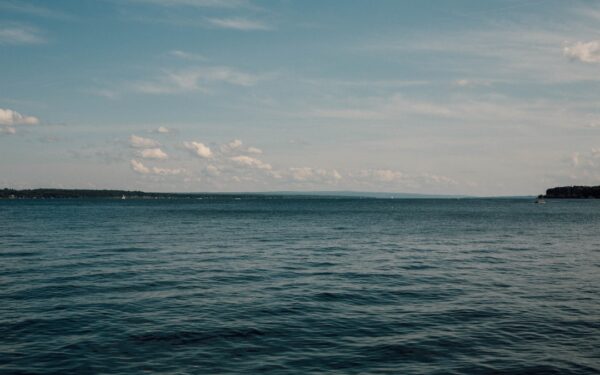
What is happening: Summer begins. Lake surface temperatures reach the mid-60s by late June — swimming becomes comfortable at Kershaw Park in Canandaigua, Seneca Lake State Park in Geneva, and Taughannock Falls State Park beach. Strawberry season at farm stands. Bass season opens on New York lakes (third Saturday of June). Wine trails are busy but manageable — the real crush comes in July.
Crowds and prices: Building. June is busier than May but less crowded than July or August. Lodging rates rise to near-peak levels on weekends. Weekday visits in June offer the best balance of warm weather and breathing room.
July
Weather: Highs in the low to mid-80s. Lake water reaches the low to mid-70s. Long, warm days.
What is happening: Peak season. Every beach, boat launch, restaurant, and tasting room is operating at full capacity. The GrassRoots Festival at the Trumansburg Fairgrounds near Cayuga Lake is one of the largest multi-day music festivals in the Northeast. Outdoor concerts, sunset wine tastings, and fireworks displays around Independence Day fill the calendar. Farm stands overflow with produce — sweet corn, tomatoes, berries.
Crowds and prices: The highest of the year. Popular lakefront vacation rentals book six months to a year in advance. Restaurant reservations (especially at places like FLX Table in Geneva) require advance planning. Watkins Glen State Park parking fills by mid-morning on Saturdays. If you visit in July, book everything early and arrive everywhere early.
August
Weather: Similar to July, with lake water at its warmest (mid-70s). By late August, mornings turn noticeably cooler and the light takes on a golden, late-summer quality.
What is happening: Continuation of July’s energy with the first hints of transition. Produce season is at its absolute peak — the best corn, tomatoes, and stone fruit of the year appear at farm stands and markets. The early grape harvest begins at some vineyards. Waterfall flow is at its lowest after a dry stretch — a good rain revives them. The last two weeks of August see summer crowds thin noticeably, making late August one of the best windows for warm weather without peak-season pressure.
Crowds and prices: High through mid-month, then declining. Late August offers a genuine sweet spot — warm water, ripe produce, available lodging.
September
Weather: Highs in the 60s and 70s. Cool mornings, low humidity, clear skies. Near-ideal conditions for outdoor activity.
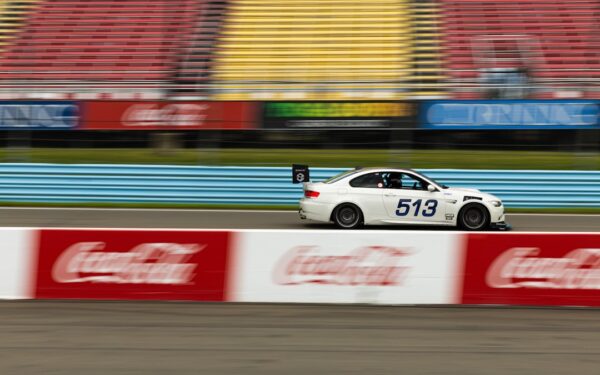
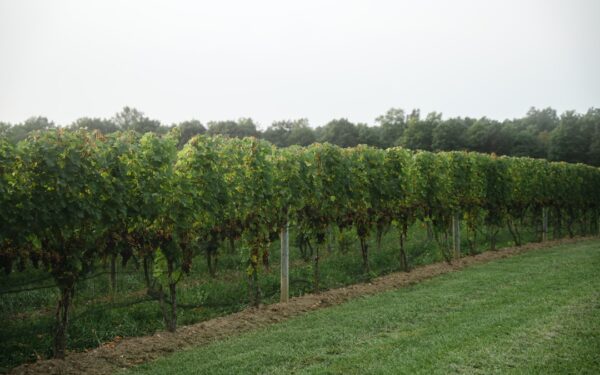
What is happening: The pivot from summer to harvest season. The grape harvest begins in earnest, with early varieties coming in during the first weeks and the main Riesling and Cabernet Franc harvest following through mid-October. Wineries buzz with energy and offer harvest-themed tastings. The NASCAR Cup Series weekend at Watkins Glen International (typically mid-September) fills every hotel room within 40 miles. The Naples Grape Festival (late September) draws over 60,000 visitors for grape pies, wine, and local food. Gorge trails are open, bugs are gone, and hiking is superb. Lake swimming is still possible through mid-month.
Crowds and prices: Moderate — less than July but more than May. Lodging rates drop slightly from peak. September is the best overall month to visit the Finger Lakes for most travelers.
October
Weather: Highs in the 50s and 60s early in the month, dropping to the 40s and 50s by late October. Frost arrives.
What is happening: The most visually stunning month. Fall foliage peaks in the second and third weeks of October — typically around Columbus Day weekend. The hillsides surrounding every lake ignite in red, orange, and gold, reflected in the water below. The best foliage viewpoints include the Rim Trails at Taughannock Falls, the Bristol Hills south of Canandaigua, Bluff Point on Keuka Lake, and the ridges of the Finger Lakes National Forest. Gorge trails remain open through early November. Wineries continue harvest events. Hiking weather is ideal — cool, dry, clear.
Crowds and prices: Columbus Day weekend is the second-busiest period of the year after July Fourth. Book lodging months in advance. Weekday visits in October, especially after Columbus Day, offer the foliage with far fewer crowds.
November
Weather: Highs in the 40s, dropping to the 30s by month’s end. Rain is frequent. First snow in higher elevations. The landscape turns muted gray and brown.
What is happening: Foliage is over. Gorge trails close for winter. Hunting season opens — deer season brings hunters to state forests and the Finger Lakes National Forest (wear blaze orange if hiking). Skaneateles Dickens Christmas begins in late November: costumed Dickens characters roam the streets, horse-drawn carriages circle the village, and shops stay open late. Wine trail holiday weekends (Deck the Halls on the Seneca Lake Wine Trail, similar events on Cayuga and Keuka) start in November and draw strong attendance. These require advance tickets.
Crowds and prices: Low except during holiday wine trail events and Dickens Christmas weekends. Shoulder-season lodging rates return.
December
Weather: Highs in the low 30s. Snow is common but inconsistent. Bristol Mountain typically opens for ski season in early to mid-December.
What is happening: Dickens Christmas continues in Skaneateles every weekend through December 23. Wine trail holiday events wrap up. Bristol Mountain skiing is underway. The deep lakes begin to cool dramatically, and the shallower lakes may develop ice at the edges. December is for visitors who want a cozy, fireplace-and-wine experience without crowds. Lodging rates are low except during holiday weekends.
The Summary
- Best overall month: September — warm weather, harvest season, manageable crowds, lower rates than July
- Best scenery: October (peak foliage, second and third week)
- Best for swimming and lake activities: July and August
- Best for waterfalls: Late March through May (peak flow; gorge trails open mid-May)
- Best for wine tasting without crowds: January, February, April, November
- Best value: January through April (lowest lodging rates, uncrowded everything)
- Worst time for first-time visitors: March — mud season, gorge trails closed, brown landscape, few events
For more detail on seasonal outdoor activities, see our four seasons guide. For winter-specific activities including skiing, ice fishing, and holiday events, see our winter guide.