What Ice Wine Is (and Why It Costs What It Costs)
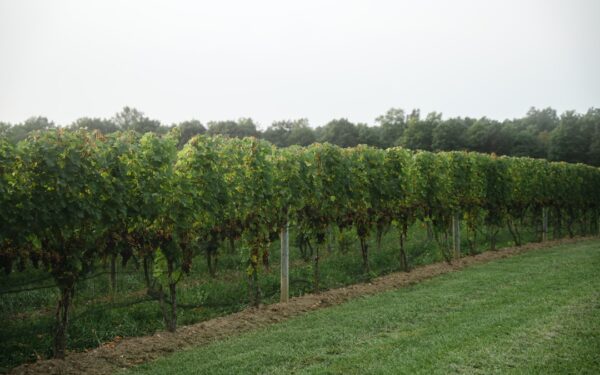
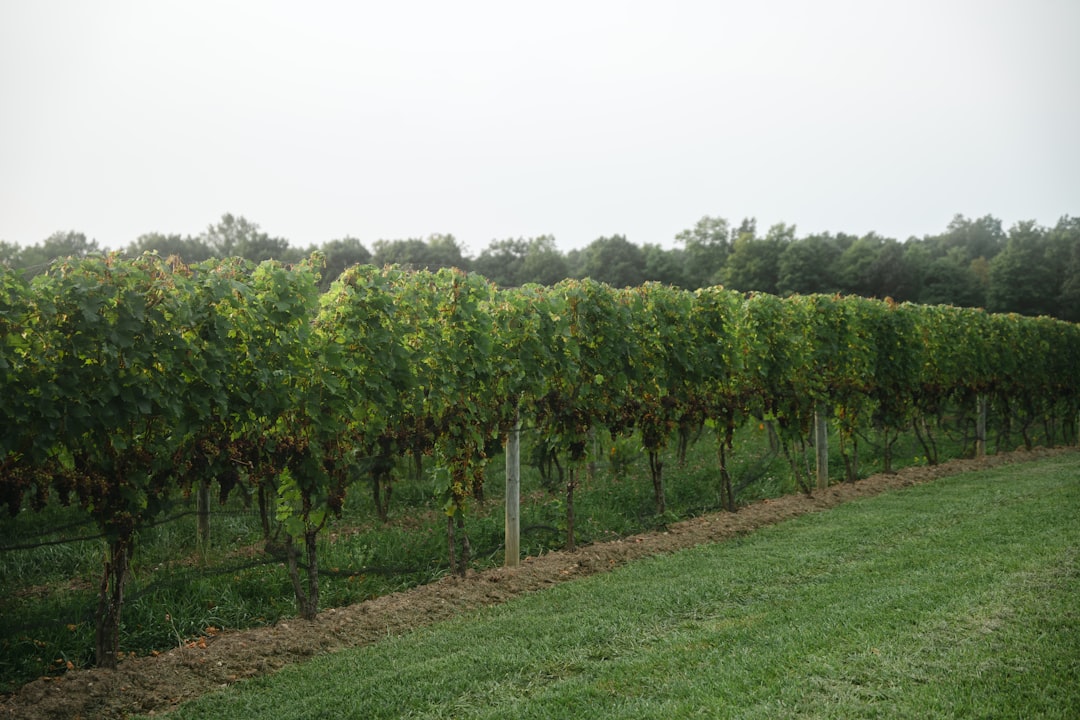
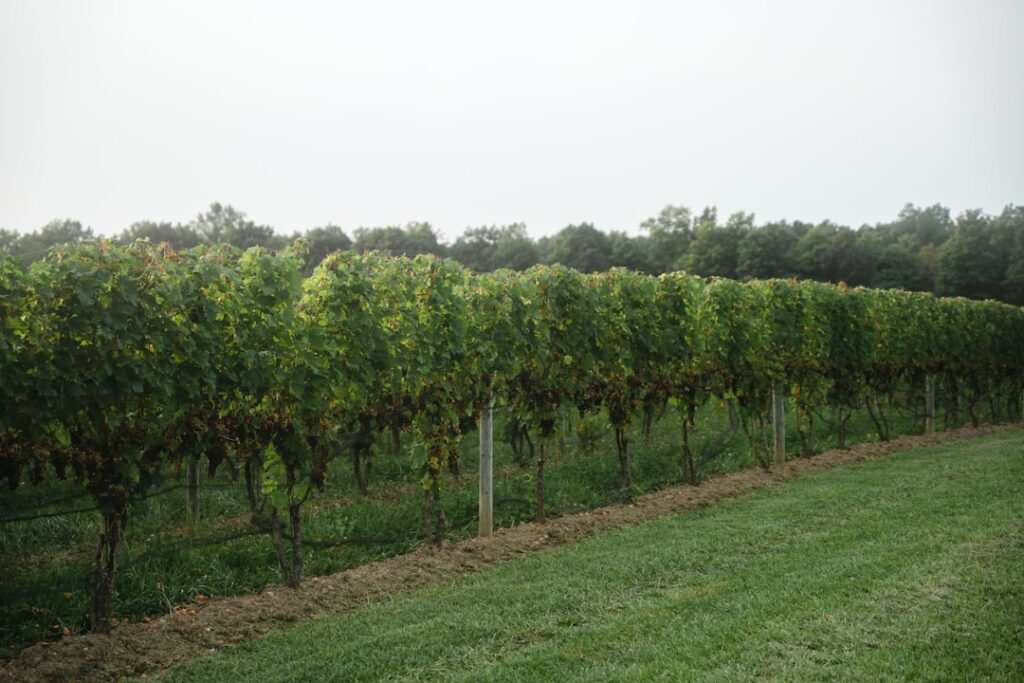
Ice wine is made from grapes that are left on the vine long after the normal harvest ends — through the fall, into early winter — until temperatures drop to around 17 to 20 degrees Fahrenheit and the grapes freeze solid. The frozen grapes are then picked by hand, typically before dawn when temperatures are lowest, and pressed immediately while still frozen. The water in the grape remains ice; what flows out under pressure is a tiny amount of intensely concentrated juice — rich in sugar, acid, and flavor compounds. That juice ferments slowly into a wine with residual sugar levels far above any table wine, balanced by the high natural acidity that Finger Lakes Riesling is known for.
The yield is tiny. A vine that might produce enough grapes for a full bottle of table wine yields only a few ounces of ice wine juice. The grapes must survive months of exposure to wind, rain, birds, and rot while hanging on the vine. If temperatures do not drop low enough, or if they drop too fast after a warm spell, the entire crop can be lost. In some years, Finger Lakes producers do not make ice wine at all because the conditions never align. The result: a 375ml half-bottle (the standard ice wine format) typically sells for $30 to $75, and the best bottles from top producers can reach $100. The price reflects real risk, manual labor, and a yield measured in drops rather than gallons.
Best Finger Lakes Ice Wine Producers
Boundary Breaks Vineyard (Seneca Lake)
Boundary Breaks focuses almost exclusively on Riesling from a steep east-facing slope above Seneca Lake. Their ice wine, when produced (not every vintage), is extraordinary — intensely concentrated, with flavors of candied apricot, honey, and citrus peel, held in tension by bracing acidity. Production is limited, and bottles sell out quickly at the winery and through their mailing list. If you see a current vintage available, buy it. It will cellar for a decade or more. Typical price: $55 to $75 for a 375ml bottle.
Dr. Konstantin Frank Winery (Keuka Lake)
Dr. Frank’s ice wine program dates back decades, and the estate’s hilltop vineyard above Keuka Lake has the elevation and exposure that ice wine production requires. The Riesling Ice Wine is the flagship dessert offering — lush and honeyed, with apricot, peach, and a mineral finish that reflects the shale soils. The winery also occasionally produces a Rkatsiteli Ice Wine (from the Georgian grape variety that Dr. Frank championed), which is rarer and worth seeking for its unusual spice and floral character. Typical price: $40 to $60 for a 375ml bottle.
Wagner Vineyards (Seneca Lake)
Wagner Vineyards on the east side of Seneca Lake has been producing ice wine consistently for years, making it one of the more reliable sources in the region. The Riesling Ice Wine is well-made and accessible — sweet but not cloying, with tropical fruit and honey notes. Wagner is a larger operation than Boundary Breaks or Dr. Frank, which means availability is slightly better, though the ice wine still sells out in most vintages. Typical price: $35 to $50 for a 375ml bottle.
Hunt Country Vineyards (Keuka Lake)
Hunt Country on the northwest branch of Keuka Lake has made Vidal Blanc ice wine a specialty. Vidal is a hybrid grape with thicker skin than Riesling, which makes it more resilient during the extended hang time on the vine — practically speaking, this means Hunt Country produces ice wine more consistently than producers relying solely on the thinner-skinned Riesling. The wine is rich and honeyed, with pear, apricot, and a touch of beeswax. Typical price: $30 to $45 for a 375ml bottle.
Heron Hill Winery (Keuka Lake)
Heron Hill produces small quantities of Riesling ice wine from their vineyards above the northwest branch of Keuka Lake. The wine tends toward elegance rather than power — lighter in body than some competitors, with mandarin orange, lime zest, and floral notes. It is a good introduction to ice wine for those who find dessert wines overwhelming. When available, it sells at the tasting room and online. Typical price: $35 to $55 for a 375ml bottle.
Where to Buy in Person
At the Wineries
The surest way to buy Finger Lakes ice wine is directly at the tasting rooms listed above. Most producers release their ice wine in spring (harvested in December or January, bottled by March or April) and sell through their inventory over the following year. Visit the tasting room, taste before you buy, and take bottles home. Staff at the tasting bar can tell you about the current vintage and, if the ice wine has sold out, when the next release is expected.
Finger Lakes Wine Center, Canandaigua
The New York Kitchen (formerly the New York Wine and Culinary Center) on Main Street in Canandaigua maintains a retail selection of Finger Lakes wines, including ice wines from various producers. This is a good option if you want to compare bottles from different wineries without driving the full trail.
Local Wine Shops
Wine shops in Geneva, Ithaca, and Corning carry Finger Lakes ice wines seasonally. Earle Estates Meadery on Seneca Lake and other specialty retail shops in the Watkins Glen corridor also stock ice wines from neighboring producers. Availability varies — call ahead if you are making a trip specifically for ice wine.
Where to Buy Online
Direct from Winery Websites
Most Finger Lakes ice wine producers sell directly through their own websites and can ship to states where direct-to-consumer wine shipping is legal. New York, Connecticut, California, Florida, and most other states allow it; a few states (including Utah, Mississippi, and Alabama) restrict or prohibit direct wine shipments. Check the winery’s shipping page for state-by-state availability. Boundary Breaks, Dr. Frank, Wagner, and Hunt Country all maintain online shops.
Wine Retail Platforms
Vivino, Wine.com, and Total Wine occasionally carry Finger Lakes ice wines, though availability is inconsistent. The limited production runs mean inventory turns over quickly and may not be restocked once a vintage sells through. If you find a bottle on these platforms, purchasing promptly is advisable. Drizly (now part of Uber) sometimes lists Finger Lakes ice wines through local retail partners in the Northeast.
Mailing Lists and Wine Clubs
For serious collectors, the most reliable way to secure Finger Lakes ice wine annually is through winery mailing lists or wine club memberships. Boundary Breaks allocates ice wine to mailing list members before the general release. Dr. Frank offers a wine club with priority access to limited-production wines including ice wine. Signing up does not obligate you to buy, but it puts you in line when the small quantities become available.
How to Serve and Store Ice Wine
Serve Finger Lakes ice wine chilled, between 43 and 50 degrees Fahrenheit — cold enough to maintain structure but not so cold that the flavors mute. A standard white wine glass works, though smaller tulip-shaped dessert wine glasses concentrate the aromatics. Pour small: two to three ounces per serving is standard, given the intensity and the price per bottle.
Ice wine pairs with blue cheese (Roquefort or Gorgonzola), foie gras, fruit tarts, and creme brulee. It also works surprisingly well with spicy food — the sweetness counterbalances capsaicin heat. An ounce of Finger Lakes ice wine alongside a wedge of aged blue cheese is one of the finest dessert pairings the region produces.
Unopened bottles store well for years — the high sugar and acidity act as natural preservatives. A well-made Finger Lakes ice wine can develop for a decade or more in proper cellar conditions (55 degrees, on its side). Once opened, the bottle keeps in the refrigerator for two to three weeks without significant deterioration, thanks to that same sugar-acid balance.
For more on Finger Lakes wine styles, our complete guide to Finger Lakes Riesling covers the full dry-to-sweet spectrum. And our wine trail map breaks down all four trails with tasting room logistics and routing advice.