Why the Finger Lakes Are a Good Place to Start
Wine tasting culture in the Finger Lakes operates differently from Napa Valley or Bordeaux. The tasting rooms here are, by and large, casual. Many occupy converted barns, lakeside decks, or simple storefronts. The staff members pouring your wine are often the same people who picked the grapes in October. There is no dress code. There are no sommeliers in black aprons waiting to judge your vocabulary. You walk in, you pay $5 to $15, someone pours you five or six wines, and they explain each one in plain language. If you do not like a wine, you say so. If you love it, you buy a bottle. That is the entire transaction.
This matters for beginners because the barrier to entry is almost nonexistent. You do not need to know the difference between Riesling and Gewurztraminer before you arrive. You do not need to know what “dry” means in wine terms (though you will by the end of your first tasting). The staff at Finger Lakes wineries have poured for thousands of first-timers, and the good ones — the ones on this list — treat newcomers as an opportunity, not an inconvenience.
How a Tasting Works (The Basics)
If you have never done a tasting, here is the sequence:
- You arrive and pay the tasting fee. Typically $5 to $15. Many wineries waive the fee if you buy a bottle.
- You get a list of available wines — sometimes printed, sometimes on a chalkboard, sometimes the person pouring just talks you through it.
- The pour person lines up five to eight small pours (about an ounce each), usually moving from dry whites to sweet whites to reds to dessert wines. Some wineries let you choose which wines to taste; others offer a set flight.
- You taste each wine, and the staff explains what you are drinking. They will tell you about the grape, the style, whether it is dry or sweet, and what food it pairs with. At Finger Lakes wineries, this conversation is usually informal and responsive to your questions.
- There is a dump bucket. You are not expected to finish every pour. If a wine is not to your taste, pour it into the bucket. This is standard practice, not rude.
- At the end, you can buy bottles of anything you liked — or not. There is no obligation.
The total time at a single tasting room is typically 20 to 45 minutes, depending on how many questions you ask and how busy the bar is.
Beginner-Friendly Wineries: Seneca Lake
Fox Run Vineyards (West Side)
Fox Run is the best first stop for a wine beginner in the Finger Lakes. The Taste Buds flight pairs five wines with five small bites designed to engage each of the five taste receptors — salty, sour, sweet, bitter, and umami. It teaches you how food changes the way wine tastes, which is the single most useful thing a beginner can learn in a tasting room. The experience is educational without being stuffy, and the staff walks you through each pairing with genuine enthusiasm. Fox Run also offers standard tastings, vineyard tours, and a deli counter with sandwiches you can eat on the patio overlooking the lake. The whole operation feels welcoming and unhurried.
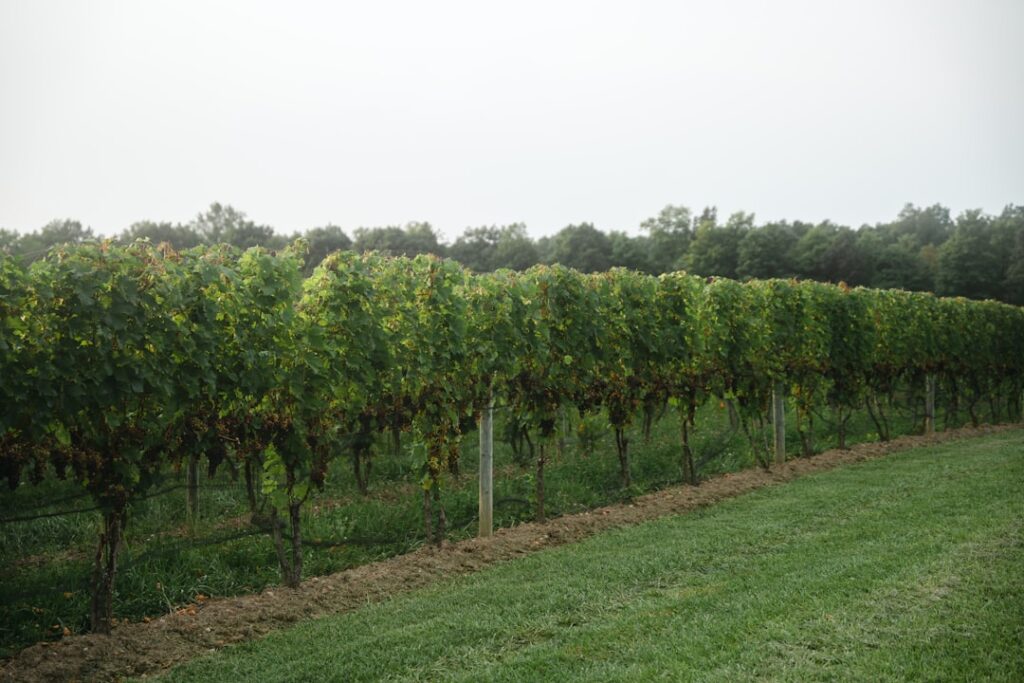
Fox Run is on Route 14, about 20 minutes south of Geneva on the west side of Seneca Lake.
Hazlitt 1852 Vineyards (East Side)
Hazlitt is the Finger Lakes winery that beginners tend to love first. The atmosphere is deliberately casual — a big outdoor lawn with picnic tables, lawn games, and a tasting room where the staff is chatty and welcoming. The wines lean toward the sweet and fruity side, which is where most beginners’ palates start. Their Red Cat, a sweet red blend, is the single best-selling wine in the Finger Lakes and a bottle that newcomers consistently enjoy even if experienced wine drinkers move past it. Hazlitt also makes solid dry wines, but the sweet-to-semi-sweet lineup is what draws the crowds and what makes first-timers feel comfortable.
Tasting fee: $5 — among the lowest on Seneca Lake. On Route 414 on the east side, about 20 minutes north of Watkins Glen.
Glenora Wine Cellars (West Side)
Glenora has been operating since 1977 and has the feel of a place that has welcomed a million visitors without losing patience. The tasting room is spacious, the terrace has one of the best views on Seneca Lake, and the wine menu spans the full spectrum from dry Riesling to sparkling wine to sweet dessert wines. For beginners, Glenora works because the staff is experienced at reading what a taster likes and guiding them toward the next wine on the list that fits. Ask them to start you with whatever they think you will enjoy, and let the conversation develop from there.
Glenora also offers a chocolate and wine pairing ($15 to $20 additional) that pairs five wines with chocolates — a crowd-pleasing format that makes the tasting feel like an event rather than a test. On Route 14, about 25 minutes north of Watkins Glen.
Fulkerson Winery (East Side)
Fulkerson is a family-owned operation on the east shore of Seneca Lake that has been growing grapes since the 1800s. The tasting room is modest, the tasting fee is $5, and the vibe is unpretentious to the point of feeling like you are visiting someone’s farm — because you are. The wine list covers a wide range, from dry Riesling to sweet fruit wines, and the staff lets you taste at your own pace. For beginners who feel intimidated by larger, busier wineries, Fulkerson’s smaller scale and personal attention make it a comfortable first experience.
Wagner Vineyards (East Side)
Wagner is a larger operation with a tasting room, a brewery (Wagner Valley Brewing Company shares the property), and a restaurant. The advantage for beginners: you can taste wine, then switch to beer without leaving the property. The tasting staff handles high volume without rushing anyone, and the wine range covers everything from dry whites to sweet reds to ice wine. If you are visiting with a group that includes non-wine-drinkers, Wagner’s brewery component keeps everyone engaged. On Route 414, east side of Seneca Lake.
Beginner-Friendly Wineries: Cayuga Lake
Sheldrake Point Winery (West Side)
Sheldrake Point sits on a bluff above the western shore of Cayuga Lake, surrounded by its own vineyards. The tasting room is calm, well-lit, and staffed by people who take genuine pleasure in walking a newcomer through their lineup. Everything is estate-grown — the grapes in your glass came from the vines visible through the window — and the staff can tell you exactly which vineyard block produced each wine. The Rieslings are the standout, ranging from bone-dry to off-dry, and tasting them side by side is one of the best ways to learn the dry-to-sweet spectrum.
After your tasting, take your glass to the Adirondack chairs on the lawn overlooking the lake. Sheldrake Point is about 20 minutes north of Ithaca on Route 89.
Lucas Vineyards (East Side)
Lucas is a family-run winery with a reputation for making beginners feel at home. The tasting room is informal, the staff is patient with questions, and the wine list includes both dry and sweet options. Their fruit wines and dessert wines are popular with newcomers, and the tugboat-themed branding gives the property a distinctive personality. Lucas also has outdoor picnic space. On Route 90 on the east side of Cayuga Lake, about 25 minutes north of Ithaca.
Beginner-Friendly Wineries: Keuka Lake
Dr. Konstantin Frank Winery (West Side)
Dr. Frank’s is the most historically significant winery in the Finger Lakes — the estate that proved European grape varieties could survive upstate New York winters and launched the region’s transformation into a serious wine-producing area. For beginners, it makes the list not because the wines are simple (they are not) but because the tasting experience is exceptionally well-organized. The staff is trained to explain each wine clearly, the tasting notes are written in accessible language, and the hilltop setting above Keuka Lake gives the visit a sense of occasion. You will leave knowing more than when you arrived, and you will not feel talked down to.
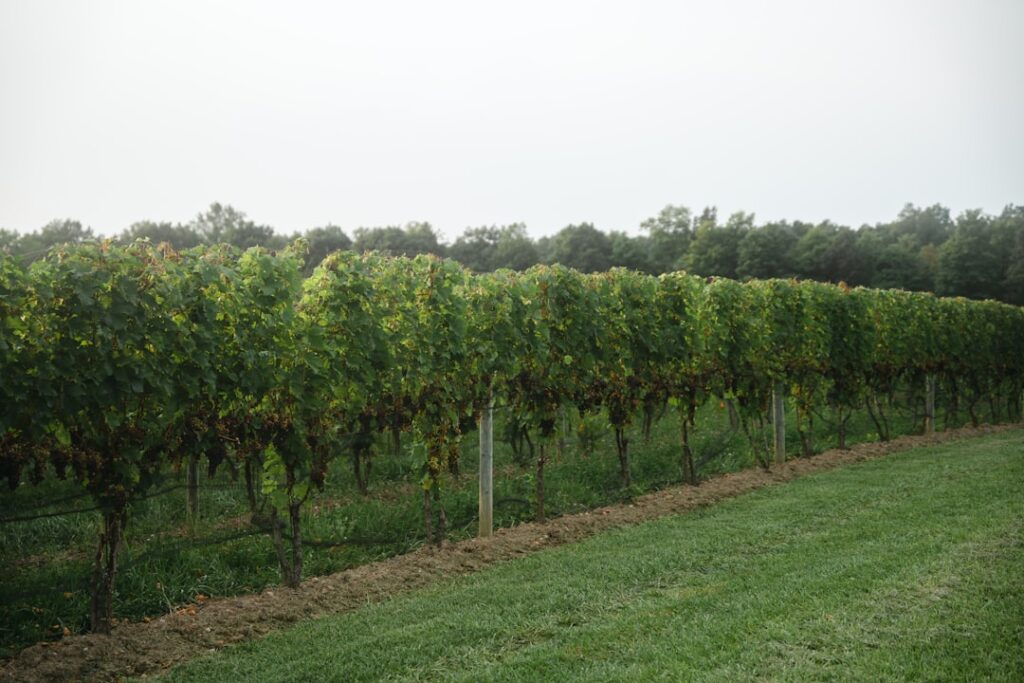
On Route 54, about 5 minutes north of Hammondsport on the west side of Keuka Lake.
Heron Hill Winery (West Side)
Heron Hill has a tasting room built into the hillside with floor-to-ceiling windows facing Keuka Lake — the view alone makes it worth the stop. The wines span from Riesling to Pinot Noir, and the tasting staff is friendly and knowledgeable without being overbearing. Dogs are welcome on the deck, which contributes to the relaxed atmosphere. Their Eclipse series represents their top wines, but the entry-level bottles are well-made and easy-drinking. About 15 minutes north of Hammondsport.
Tips for Your First Tasting Day
How Many Wineries to Visit
Three is the right number for a first-timer. Each tasting involves five to eight pours, and even with spitting and dumping, the alcohol and sensory input accumulate. After three wineries, your palate is tired and your ability to distinguish between wines diminishes. There is no shame in stopping at two. For a more detailed breakdown of pacing and logistics, see our Finger Lakes wine trail map and guide.
What to Say at the Bar
If you are nervous, start with: “I am new to wine tasting — can you walk me through the flight?” Every staff member on this list has heard that sentence a hundred times and will respond with genuine helpfulness. If someone asks what you normally drink, be honest. “I usually drink beer” or “I like sweet drinks” or “I have no idea what I like” are all perfectly useful answers that help the pourer guide you.
Dry vs. Sweet: The One Thing to Learn
Finger Lakes tasting rooms almost always pour from dry to sweet. “Dry” means the wine has little to no residual sugar — it finishes crisp, sometimes tart. “Sweet” means residual sugar is present, giving the wine a rounder, softer, sometimes fruity or honeyed character. Most beginners discover they prefer semi-sweet or off-dry wines initially, and that is fine — the Finger Lakes produce exceptional wines across the entire spectrum. Riesling, the region’s signature grape, is made in every style from bone-dry to dessert-sweet, so you can taste the full range without switching grapes.
Spitting and Dumping Are Normal
Every tasting room has a dump bucket (sometimes called a spit bucket). You are expected to use it. Pour out any wine you do not want to finish. Spit instead of swallowing if you are driving or want to keep your palate sharp. This is not wasteful or rude — it is professional wine tasting behavior, and the staff will think more of you for doing it, not less.
Eating Matters
Eat before you taste. A solid breakfast or lunch means the alcohol hits slower and your palate functions better. Several wineries on this list have food options on-site (Fox Run has a deli, Glenora has a restaurant), and the towns along the wine trails have restaurants and delis where you can stop between wineries. Do not taste on an empty stomach.
For broader planning, our 48 Hours on Seneca Lake itinerary maps out a full weekend route through the wine trail with dining stops built in. And our complete guide to Finger Lakes Riesling explains the region’s signature grape from dry to sweet.