The Count: 11 Lakes, Not 5, Not 7
There are 11 Finger Lakes. That number surprises most people, because the tourism marketing tends to spotlight only the largest and most-visited lakes. But the official count, recognized by the New York State government and geologists alike, is 11 glacially carved lakes running roughly north-south across central New York, from Otisco Lake near Syracuse in the east to Conesus Lake south of Rochester in the west. The full set spans about 100 miles.
The confusion is understandable. Five of the lakes dominate the conversation: Seneca, Cayuga, Keuka, Canandaigua, and Skaneateles. These are the deep, well-known lakes with wine trails, state parks, and lodging infrastructure. The remaining six are smaller, shallower, and far less visited. But each of the 11 has a distinct character, and knowing the differences shapes what kind of trip you end up having.
The Big Five: Deep Water, Wine Trails, and Tourist Infrastructure
Seneca Lake
The deepest Finger Lake at 618 feet and the largest by volume. Seneca holds more water than the other 10 lakes combined. At 38 miles long, it anchors the center of the region’s wine industry, with more than 30 wineries along the Seneca Lake Wine Trail. Geneva sits at the north end (the region’s best dining town); Watkins Glen sits at the south (home to the famous gorge). The lake never fully freezes. If you visit one Finger Lake, this is the default choice.
Cayuga Lake
The longest Finger Lake at 38.2 miles and the second deepest at 435 feet. Cayuga runs from Ithaca in the south to Seneca Falls in the north. Taughannock Falls, a 215-foot single-drop waterfall taller than Niagara, plunges into a gorge on its western shore. The Cayuga Lake Wine Trail, established in 1988, was the first organized wine trail in the Finger Lakes. Ithaca’s college-town energy (Cornell University and Ithaca College together bring 28,000 students) makes the southern end of Cayuga the cultural center of the entire region.
Keuka Lake
The only Y-shaped Finger Lake. Keuka forks into two northern branches separated by a steep bluff at Bluff Point. It is 20 miles long and 186 feet deep. Commercial winemaking in the Finger Lakes started here in 1860 at the Pleasant Valley Wine Company in Hammondsport, and Dr. Konstantin Frank proved European grapes could survive New York winters on its hillsides in the 1960s. Keuka is quieter and less developed than Seneca or Cayuga, with a pace that suits people who find Geneva too busy. The Keuka Lake guide covers access points and winery routing in detail.
Canandaigua Lake
Fifteen and a half miles long and 276 feet deep. The Seneca people called it “The Chosen Spot.” The city of Canandaigua at its north end has a wide Main Street, the free public beach at Kershaw Park, and Sonnenberg Gardens, a 50-acre estate with nine formal gardens. Canandaigua is the closest major Finger Lake to Rochester (30 minutes) and the most family-oriented of the big five, with a public beach, playground, and paddlewheel boat cruises.
Skaneateles Lake
Sixteen miles long, 300 feet deep, and so clean it supplies drinking water to Syracuse without filtration. Visibility regularly exceeds 25 feet. The village of Skaneateles (pronounced “skinny-atlas”) on its north shore is the most polished and expensive town in the Finger Lakes. There is no wine trail nearby. Skaneateles works as a standalone destination, not as a touring base for the broader region. The Dickens Christmas festival on weekends from late November through mid-December draws visitors from across central New York.
The Middle Two: Smaller Lakes with Real Towns
Owasco Lake
Eleven miles long and 177 feet deep, centered on the city of Auburn at its north end. Owasco is the lake with the least public access. Emerson Park, at the north end, is the only public boat launch and swimming area. The real draw in Auburn is the history: Harriet Tubman lived here for over 50 years after the Civil War, and her home is now a National Historical Park. The Seward House Museum and the Willard Memorial Chapel (the only complete, unaltered Tiffany chapel interior in existence) are both within a few blocks.
Otisco Lake
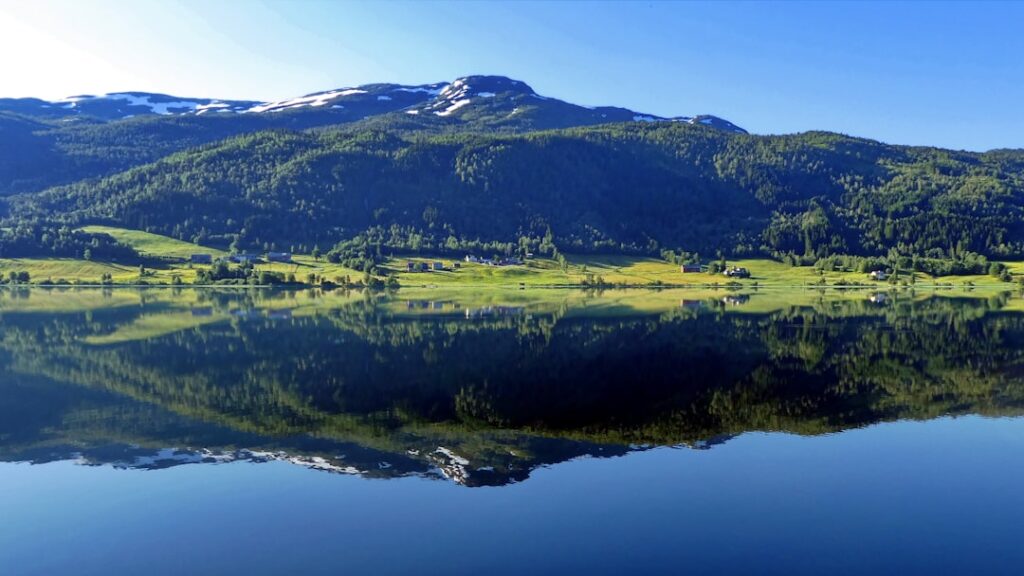
Five and a half miles long and 76 feet deep, the easternmost Finger Lake and the one closest to Syracuse (15 miles). Otisco is a fishing lake, not a tourist destination. The DEC stocks tiger muskie here, and the walleye fishing is among the most reliable within an easy drive of Syracuse. There is no public swimming beach, no wine trail, and no village center. Bring a cooler and a fishing rod.
The Small Four: Shallow, Warm, and Undervisited
Honeoye Lake
Four and a half miles long and only 30 feet deep, the shallowest Finger Lake. That shallow depth means Honeoye warms fastest in summer, reaching the upper 70s by July. Sandy Bottom Beach on the northeast shore has a gradual sand bottom that makes it one of the best swimming spots for young children in the region. One caution: Honeoye is susceptible to blue-green algae blooms in late summer. Check the DEC’s algal bloom notifications before making the trip to swim.
Conesus Lake
Eight miles long and 66 feet deep, the westernmost Finger Lake. Conesus is a boating and fishing lake with a family-cottage character. Motorboats, jet skis, and pontoons share the water on summer weekends. The warm, shallow water supports largemouth bass, northern pike, and walleye. Vitale Park on the east shore has a free public beach with lifeguards in season. No wine trail, no polished village center. This is where Rochester-area families have spent summers for generations.
Hemlock Lake
Seven miles long and 91 feet deep. Hemlock has been part of Rochester’s drinking water supply since 1876, and that protected status keeps it wild. No motorized boats. No swimming. No lakeside development. The shoreline is almost entirely forested, and paddling Hemlock on a weekday morning feels closer to the Adirondacks than to wine country. A carry-in launch at the north end provides access for canoes and kayaks only.
Canadice Lake
Three miles long and 95 feet deep, the smallest of the 11. Like Hemlock, Canadice serves Rochester’s water supply and carries the same restrictions: no motors, no swimming, no development. The lake is the closest thing to wilderness the Finger Lakes offer. Paddle to the south end on a still September morning and you may not see another person. Loons have been documented here, and bald eagle sightings are increasingly common.
Grouping the Lakes by What You Want
- Wine tasting: Seneca (30+ wineries), Cayuga (15 wineries), Keuka (12 wineries), Canandaigua (8 producers)
- Swimming with kids: Canandaigua (Kershaw Park), Honeoye (Sandy Bottom Beach), Conesus (Vitale Park)
- Fishing: Seneca (lake trout over 20 pounds), Otisco (tiger muskie, walleye), Conesus (largemouth bass, northern pike)
- Quiet paddling: Canadice, Hemlock (no motors allowed on either)
- Gorges and waterfalls: Cayuga (Taughannock Falls, Ithaca gorges), Seneca (Watkins Glen State Park)
- Upscale village experience: Skaneateles
- History: Owasco/Auburn (Harriet Tubman, Seward House), Cayuga/Seneca Falls (Women’s Rights NHP)
How to Tell Them Apart on a Map
The Finger Lakes run in a roughly parallel north-south pattern, like the fingers of a hand pressed into the landscape. From east to west: Otisco, Skaneateles, Owasco, Cayuga, Seneca, Keuka (the Y-shaped one), Canandaigua, Honeoye, Canadice, Hemlock, Conesus. The two longest lakes, Cayuga and Seneca, sit side by side in the center and dominate the map. The smaller western lakes cluster together southwest of Canandaigua. Keuka is the easiest to identify because of its distinctive Y shape.
The drive from Otisco (easternmost) to Conesus (westernmost) takes about two hours on back roads. Most visitors focus on the central corridor between Cayuga and Canandaigua, where the wine trails, state parks, and restaurant towns concentrate. But the outer lakes reward the curious. A trip to Canadice or Hemlock after three days on the wine trails is a useful reminder that these are, at their core, glacial lakes in a rural landscape. Sometimes the simplest version is the best one.