What the Cayuga Lake Wine Trail Is
The Cayuga Lake Wine Trail, established in 1983, holds the distinction of being America’s first organized wine trail. It loops around Cayuga Lake — 38.2 miles long, up to 435 feet deep, the longest of the 11 Finger Lakes — with approximately 15 member wineries, cideries, and distilleries spread along both shores between Ithaca at the southern tip and Seneca Falls at the northern end. The full driving loop covers about 90 miles and takes roughly two hours without stops.
Compared to the Seneca Lake Wine Trail with its 30-plus members, Cayuga is smaller, quieter, and more spread out. That is not a weakness. The lower density means less traffic between stops, shorter waits at tasting bars, and more time with the person pouring your wine. On a Saturday afternoon in August, you might wait 20 minutes for a spot at a popular Seneca tasting room. On Cayuga, the same afternoon, you walk in and start tasting. For a deeper comparison of the two lakes, see our Seneca Lake vs. Cayuga Lake guide.
What Makes Cayuga Different from Seneca
The two trails are often treated as interchangeable, but the differences matter.
Terroir and climate: Cayuga Lake is shallower than Seneca (435 feet maximum depth vs. Seneca’s 618 feet), which means it retains less summer heat and exerts a slightly weaker moderating effect on the surrounding vineyards. The growing season on Cayuga’s shores runs a few days shorter on average. This favors cool-climate white varieties — Riesling, Chardonnay, Gewurztraminer — and makes red wine production more challenging, though several Cayuga producers are doing credible work with Cabernet Franc and Pinot Noir.
Scale and atmosphere: Seneca’s trail is a polished tourist corridor. Cayuga’s trail retains more of a rural, agricultural feel. Several of the wineries are genuinely small operations — family-run, producing under 5,000 cases annually, with the owner or winemaker sometimes pouring at the bar. If you are looking for the kind of tasting where you learn the story behind the wine from the person who made it, Cayuga delivers that more consistently than Seneca.
Pricing: Tasting fees on the Cayuga trail tend to run $5 to $12, generally a few dollars less than Seneca’s range. Bottle prices are comparable — $14 to $30 for most wines — but the tasting-room experience feels less transactional.
Standout Wineries on the Trail
Sheldrake Point Winery (West Side, Ovid)
Sheldrake Point sits on 155 acres along the western shore about 25 minutes north of Ithaca on Route 89. The tasting room overlooks the estate vineyards that slope toward the lake, and on a clear day the view across to the eastern shore is one of the best on the trail. The wines are estate-grown — everything in your glass comes from the vines you can see through the window. The dry Riesling is the flagship, with clean acidity and a mineral backbone that reflects the shale soils beneath the vineyard. The Gewurztraminer, a variety that few Finger Lakes producers attempt, is fragrant and off-dry. The rose, made from Cabernet Franc, is a strong summer pour.
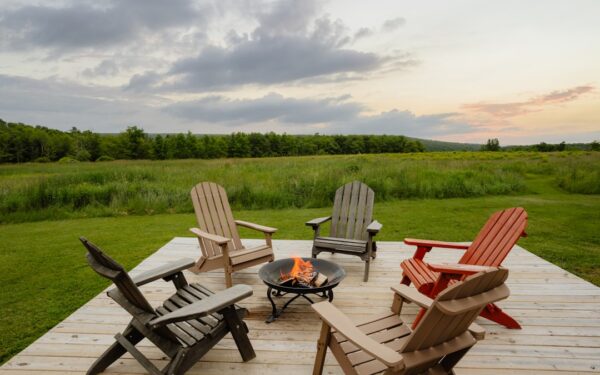
Tasting fee runs around $8 to $10, waived with a two-bottle purchase. The lawn with Adirondack chairs overlooking the lake is where most people end up after tasting. Sheldrake Point also hosts live music on select summer weekends.
Hosmer Winery (West Side, Ovid)
Hosmer has been growing grapes on the west shore of Cayuga Lake since 1972, making it one of the older operations in the region. The family planted their first vinifera vines in the 1980s and now farms over 70 acres of estate vineyards. The tasting room is unpretentious — a converted barn with a deck facing the vines — and the staff takes the time to explain each wine without rushing you to the next pour. The dry Riesling is reliably good, the Cabernet Franc is one of the better reds on the Cayuga trail, and the late-harvest dessert wines are worth a taste even if you do not typically drink sweet wine. Tasting fee: $5 to $8.
Six Mile Creek Vineyard (South End, Ithaca)
Six Mile Creek sits just 4 miles from downtown Ithaca, making it the most accessible winery for anyone based in the city. The vineyard occupies a hillside above its namesake creek, with an outdoor tasting area and a small event space. The wine list spans from dry Riesling and Chardonnay to an Ithaca Red blend that appeals to casual drinkers. The atmosphere is local — Cornell professors, Ithaca residents, and visiting families mix at the bar. Tasting fee: $5 to $8. Open year-round, which not all Cayuga trail members manage.
Lucas Vineyards (East Side, Interlaken)
Lucas is a family operation that has been welcoming visitors since 1980, and the warmth is genuine rather than performed. The tugboat logo and nautical theme give the place a personality that kids seem to enjoy (making it one of the more family-friendly stops on the trail). The wine range covers dry to sweet, including fruit wines and a popular dessert wine. The staff is patient with questions and will guide a beginner through the lineup without condescension. Outdoor picnic space makes it a good lunch stop if you bring food. About 20 minutes north of Ithaca on Route 89. For more beginner-friendly options, see our guide to the best Finger Lakes wineries for beginners.
Buttonwood Grove Winery (West Side, Romulus)
Buttonwood Grove occupies a hillside above the lake with a tasting room and cabins available for overnight stays. The operation is small — under 5,000 cases annually — and the focus on Riesling and Cabernet Franc yields concentrated, well-crafted wines. The dry Riesling has won multiple regional awards, and the semi-dry version appeals to tasters who find bone-dry wines too austere. The cabins offer a rare opportunity to stay on a working vineyard property, which turns a tasting visit into an overnight wine immersion. Tasting fee: $8 to $10.
Thirsty Owl Wine Company (West Side, Ovid)
Thirsty Owl has one of the larger tasting rooms on the trail, with a bistro serving lunch and dinner that provides an anchor for a mid-trail meal. The wines are approachable — the Rieslings are well-made, the Diamond (a native American grape) is a local curiosity, and the red blends drink easily. The bistro menu runs from flatbreads to entrees that pair with the wine list, and the deck seating faces the lake. This is a good midpoint stop when you want to combine tasting with a sit-down meal.
Knapp Winery and Vineyard Restaurant (East Side, Romulus)
Knapp pairs a full-service restaurant with its tasting room, making it another logical meal stop on the trail. The vineyard sits on a gentle slope above the lake on the east side, and the property includes a craft brewery (Garrett’s Brewing) for non-wine-drinkers in your group. The wine range covers the standard Finger Lakes portfolio — Riesling, Chardonnay, Cabernet Franc, and several blends — at accessible price points.
Planning Your Route: North Loop vs. South Loop
The South Loop (Ithaca-Based, Half Day)
If you are staying in Ithaca, the south end of the trail is the most practical starting point. This loop keeps you within 30 minutes of the city and covers the densest cluster of tasting rooms.
- 10:30 a.m. — Six Mile Creek Vineyard (4 miles from downtown Ithaca). 30 minutes.
- 11:30 a.m. — Drive north on Route 89 (west side) to Sheldrake Point Winery (25 minutes). 45 minutes.
- 1:00 p.m. — Continue north 5 minutes to Hosmer Winery. 30 minutes.
- 2:00 p.m. — Lunch at Thirsty Owl bistro (10 minutes north). 60 minutes.
- 3:30 p.m. — Cross to the east side via Route 96A and stop at Lucas Vineyards on Route 89 southbound. 30 minutes.
Total: about 5 hours, four tasting stops plus lunch. You are back in Ithaca by 4:30 p.m.
The North Loop (Geneva-Based, Half Day)
If you are staying in Geneva or coming from the Seneca Lake trail, the north end of the Cayuga trail offers a change of pace. The wineries are more spread out here, and the landscape shifts from steep lake bluffs to rolling farmland.
- 10:30 a.m. — Drive east from Geneva to the east shore of Cayuga Lake via Routes 5 and 20 (20 minutes). Start at Swedish Hill Winery in Romulus. 30 minutes.
- 11:30 a.m. — Continue south to Knapp Winery (10 minutes). 30 minutes, plus lunch at the vineyard restaurant.
- 1:30 p.m. — Cross to the west side and drive south to Buttonwood Grove Winery (20 minutes). 30 minutes.
- 2:30 p.m. — Continue south to Thirsty Owl (10 minutes). 30 minutes.
Total: about 4 hours, four stops with lunch built in. From Thirsty Owl, it is 30 minutes south to Ithaca or 40 minutes back to Geneva.
Practical Details
Tasting Room Hours
Most Cayuga Lake Wine Trail members open at 10 or 11 a.m. and close at 5 or 5:30 p.m. from May through October. Winter hours (November through April) vary by winery — some close on weekdays, others shorten to noon to 5 p.m. on weekends only. Check individual winery websites before a late-season visit. Six Mile Creek and a few others maintain year-round hours.
Tasting Fees
Fees range from $5 to $12, with most tasting rooms at the $5 to $8 level. Several wineries waive the fee with a bottle purchase. Trail event weekends (typically three to four per year, spring through holiday season) sell a single ticket for $30 to $50 that covers tastings at all participating members — the best per-winery value on the trail.
Designated Driver Options
The same logistics that apply on Seneca apply here. Options include a designated driver in your group (most tasting rooms offer complimentary non-alcoholic beverages), a hired wine tour service (several operators cover the Cayuga trail at $75 to $150 per person for a half-day guided tour), or staying in Ithaca and using a rideshare or taxi for the southern tasting rooms. The Cayuga trail is less served by dedicated tour operators than Seneca, so book ahead if you want a guided experience.
What to Eat on the Trail
Thirsty Owl’s bistro and Knapp’s restaurant are the two full-service dining options directly on the trail. Between wineries, the town of Interlaken (on the east side between Ithaca and Ovid) has a small general store. Ithaca itself, at the south end, has a full restaurant scene. Pack a lunch and a cooler if you want flexibility — several wineries have picnic areas where you can eat your own food alongside a purchased glass or bottle.
Best Time to Visit the Cayuga Lake Wine Trail
September through mid-October is the ideal window. The weather is warm but not hot, the harvest is underway (you may see picking crews in the vineyards), the fall foliage builds toward peak by mid-October, and the crowds that pack Seneca’s tasting rooms on summer Saturdays have thinned. The Cayuga trail runs seasonal events — wine and food pairings, holiday-themed weekends — that sell tickets through the trail’s website and offer a structured way to visit multiple wineries at a discount.
June through August delivers warm weather, full hours, and the most outdoor seating options. Saturday afternoons in July and August are the busiest, but even peak-season Cayuga rarely matches Seneca’s crowds. November through April offers the quietest tasting rooms and the most one-on-one time with pourers, but some members reduce hours. Call ahead.
The Cayuga Lake Wine Trail does not get the attention that Seneca draws, and that is precisely what makes it worth your time. The wines are strong, the producers are personal, and the lake — 38 miles of blue water flanked by vineyard-covered hills — provides a backdrop that does not need a crowd to be appreciated.