Understanding the Layout
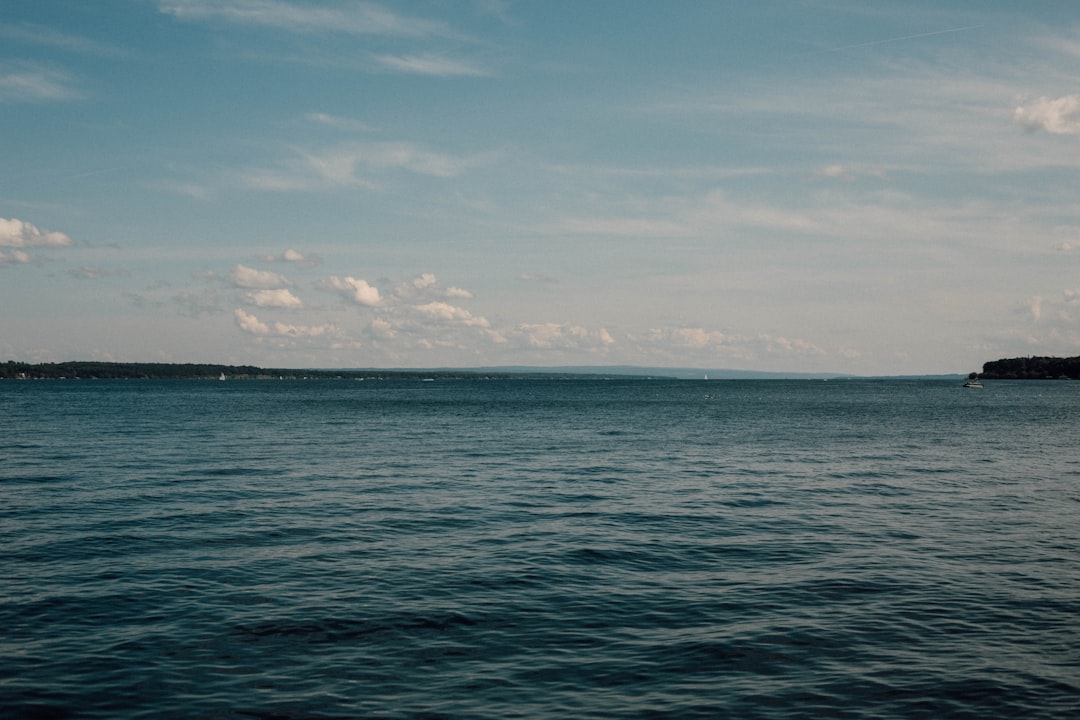
Seneca Lake is 38 miles long, 3 miles wide at its broadest, and 618 feet deep — the deepest lake in the eastern United States. The Seneca Lake Wine Trail, one of the oldest organized wine trails in the country (established 1986), includes more than 30 member wineries arranged along both shorelines between Geneva at the northern tip and Watkins Glen at the southern end. The full loop around the lake covers approximately 75 miles by road and takes about 2 hours without stops. You will not visit every winery in a day, and you should not try.
The trail is really two corridors: the east side (Route 414) and the west side (Routes 14 and 14A). Each has a distinct personality, a different set of producers, and different practical considerations. Most visitors who try to do both sides in a single day end up rushed, over-served, and unable to remember which wine they liked at which winery. The better approach: pick a side, select four to six stops, and taste with intention.
East Side vs. West Side: How to Choose
The East Side (Route 414)
The east shore of Seneca Lake faces west, which means the vineyards receive direct afternoon sun — a significant advantage for ripening grapes in this cool-climate region. The east side has historically produced some of the trail’s most acclaimed wines, and the concentration of serious, production-focused wineries here is higher than on the west. This is where you go if wine quality is the primary driver of your trip.
Key stops on the east side:
- Boundary Breaks Vineyard — Riesling-only, from a steep slope above the lake. Their reserve dry Riesling is one of the finest white wines produced in the eastern United States. The tasting room is small, the staff is knowledgeable, and the view from the deck stretches across the lake. Tasting fee: $15 to $20.
- Lamoreaux Landing Wine Cellars — A Greek Revival building on a bluff overlooking the lake, with a range of wines from dry Riesling to Cabernet Franc. The architecture alone is worth the stop. The semi-dry Riesling is a crowd-pleaser; the reserve Chardonnay is more interesting.
- Red Newt Cellars and Bistro — A winery with an on-site restaurant that serves locally sourced food designed to pair with their wines. The dry Riesling and Cabernet Franc are well-made, and the ability to sit down for lunch mid-trail is a practical advantage. The bistro operates Wednesday through Sunday in season; reservations are recommended for weekend lunch.
- Wagner Vineyards — One of the larger operations on the trail, with an estate brewery alongside the winery and a cafe. Wagner covers the full range from dry to sweet, and the scale of their operation means consistent availability. The octagonal tasting room has panoramic lake views.
- Atwater Estate Vineyards — Known for Pinot Noir (a rarity in the Finger Lakes) and a strong lineup of Rieslings from dry through late-harvest. The tasting room is relaxed and less crowded than its neighbors on peak weekends.
The east side has fewer restaurant options between stops. Plan to eat at Red Newt Bistro or bring lunch. The road is two-lane and mostly straight, with the lake visible on your left if you are driving south from Geneva.
The West Side (Routes 14 and 14A)
The west shore faces east, receiving morning sun. The wineries on this side tend toward a mix of established names and newer operations, with some of the trail’s most visitor-friendly tasting rooms. The west side also has closer proximity to Watkins Glen State Park at the southern end, which makes it a natural pairing with a gorge hike.
Key stops on the west side:
- Hermann J. Wiemer Vineyard — One of the founding estates of the Finger Lakes wine industry. Wiemer’s dry Rieslings set the standard for the region in the 1980s, and the current winemaking team (led by Fred Merwarth) continues to produce some of the most age-worthy Rieslings in America. The tasting room is reserved and focused — this is a wine-first experience. Tasting fee: $15.
- Fox Run Vineyards — A versatile producer with a strong tasting room experience, a cafe, and one of the trail’s best decks for sitting with a glass. The dry Riesling and Lemberger are highlights. Fox Run is a good mid-day stop because the food option lets you break up the tasting.
- Glenora Wine Cellars — The oldest winery on Seneca Lake (founded 1977), with an inn and restaurant on-site. Glenora makes a wide range of wines, and the setting — a large deck overlooking the lake — draws crowds. The sparkling wines are worth trying.
- Ravines Wine Cellars — Produces some of the trail’s most elegant wines, particularly the dry Riesling and Cabernet Franc. Co-founded by Morten Hallgren, who trained in Provence, and his approach brings a European restraint to Finger Lakes fruit. The Geneva tasting room on Routes 14 is the more accessible location.
- Fulkerson Winery — A sixth-generation family farm with a broad portfolio, including fruit wines alongside their vinifera offerings. Fulkerson is less polished than Wiemer or Ravines, but the value is strong and the family’s 200-year history on this land gives the visit substance.
The west side has more food options than the east, including the restaurants in the village of Watkins Glen at the southern end and the cafes at Fox Run and Glenora. The road is busier — Route 14 carries more traffic — but the infrastructure for visitors is better developed.
How to Structure a Day
The Four-Stop Day (Recommended for First-Timers)
Start at 10 or 10:30 a.m. when tasting rooms open. Visit two wineries before lunch (45 to 60 minutes each, including travel time between stops). Eat a real meal — not tasting crackers, but actual food. Visit two more wineries after lunch. Finish by 4 or 4:30 p.m. This pace allows you to taste thoughtfully, ask questions, and remember what you drank. At most tasting rooms, a standard flight runs four to six pours, so four stops means 16 to 24 individual tastes across the day.
The Six-Stop Day (Experienced Wine Tourists)
If you are comfortable tasting and spitting (which serious wine tourists do without embarrassment), you can extend to six stops. Start at 10 a.m. and add a stop before and after lunch. Spit at every winery, drink water between stops, and eat a substantial lunch. This is the maximum for a day that remains enjoyable rather than endurance-oriented.
Sample East Side Itinerary (South to North)
Starting from Watkins Glen:
- 10:00 a.m. — Atwater Estate Vineyards (10 minutes north of Watkins Glen)
- 11:15 a.m. — Red Newt Cellars (20 minutes further north)
- 12:30 p.m. — Lunch at Red Newt Bistro
- 2:00 p.m. — Lamoreaux Landing Wine Cellars (5 minutes north of Red Newt)
- 3:15 p.m. — Boundary Breaks Vineyard (10 minutes further north)
This route covers 35 miles of the east shore and ends within 20 minutes of Geneva, where you can check into lodging or have dinner.
Sample West Side Itinerary (North to South)
Starting from Geneva:
- 10:00 a.m. — Ravines Wine Cellars (5 minutes south of Geneva)
- 11:15 a.m. — Hermann J. Wiemer Vineyard (15 minutes south)
- 12:30 p.m. — Lunch at Fox Run Vineyards cafe (10 minutes south of Wiemer)
- 2:00 p.m. — Glenora Wine Cellars (5 minutes south of Fox Run)
- 3:15 p.m. — Fulkerson Winery (15 minutes south)
This route ends near the southern third of the lake, 15 minutes from Watkins Glen. If you add a morning gorge hike at Watkins Glen State Park (arrive at 8:30 a.m. for the least crowded experience), reverse the itinerary and start south, working north.
Designated Driver and Transportation Options
Wine trail math is straightforward: four tasting rooms with four to six pours each adds up. Even with spitting, most people swallow more than they intend. A designated driver is not optional — it is the plan.
Option 1: Designate a Driver in Your Group
The simplest solution. Most tasting rooms offer a non-alcoholic option (grape juice, sparkling water) at no charge to the designated driver. Some waive or reduce the tasting fee. Ask at each stop — it varies.
Option 2: Hire a Wine Tour Service
Several companies run guided wine tours with transportation. Finger Lakes Wine Country Tours, Seneca Lake Wine Tours, and Experience the Finger Lakes offer half-day and full-day options. A private tour for two to four people typically costs $200 to $400 for a half day, which includes a driver, vehicle, and usually a pre-set itinerary of three to five wineries. The advantage beyond safety: the drivers know the tasting room staff, sometimes securing a smoother experience. Book at least a week ahead; two weeks for Saturday tours in September and October.
Option 3: Limo or Car Service
Finger Lakes Limo and Seneca Limousine provide point-to-point and hourly service. This gives you more control over your itinerary than a group tour, at a higher cost — expect $50 to $75 per hour for a sedan, $75 to $120 per hour for a larger vehicle. Split among four adults, the per-person cost is reasonable for a full-day wine trail tour.
Option 4: Stay on the Trail
If you stay at lodging on or near the trail — Glenora Inn on the west side, one of the vacation rentals between Dundee and Hector, or a hotel in Geneva or Watkins Glen — you can reduce the driving scope. Walk to one or two nearby tasting rooms and drive short distances to the rest, limiting your total time behind the wheel and making it easier for a light-tasting driver to manage safely.
Tasting Room Etiquette and Logistics
Fees and Format
Most Seneca Lake tasting rooms charge $10 to $20 for a standard flight of four to six wines. Many waive the fee if you purchase a bottle. A few — Boundary Breaks, Wiemer — have higher fees for reserve flights, which are worth it if you are interested in the top-tier wines. Flights are typically poured at the bar; at busier spots on Saturday afternoons, you may wait 10 to 15 minutes for a spot.
Hours
Tasting rooms generally open at 10 or 11 a.m. and close at 5 or 6 p.m. from May through October. November through April, hours shorten — some tasting rooms close on weekdays, and weekend hours may end at 4 or 5 p.m. Check individual winery websites before planning a late-season visit. A few wineries require reservations, particularly for reserve tastings or during peak weekends.
What to Buy
Finger Lakes wines — especially Rieslings — are underpriced relative to their quality. A bottle of dry Riesling from Wiemer, Ravines, or Boundary Breaks costs $18 to $35, which is a fraction of what comparable quality fetches from Alsace or the Mosel. If you find a wine you enjoy at the tasting bar, buy it. Shipping is available from most tasting rooms, or you can fill the trunk and drive it home. New York State law allows you to bring wine purchased at New York wineries back to most states without quantity limits for personal use.
When to Go
The trail operates year-round, but the experience varies dramatically by season. June through mid-October is the prime window: warm weather, full hours, outdoor deck seating, and the most events. September and early October are the sweet spot — crowds thin after Labor Day, the weather is comfortable, and the vineyards are entering harvest, which adds an agricultural energy to the visits. November through March offers the emptiest tasting rooms and the most personal attention from staff, but some wineries reduce hours or close on weekdays.
For a broader look at all four Finger Lakes wine trails, our complete wine trail map covers Cayuga, Keuka, and Canandaigua alongside Seneca. For recommendations on where to base yourself, our town-by-town lodging guide breaks down Geneva, Watkins Glen, and other trail-adjacent towns. And if you want to build a full weekend around the trail, our 48 Hours on Seneca Lake itinerary maps out two days of wine, food, and gorge hiking.