Park Overview
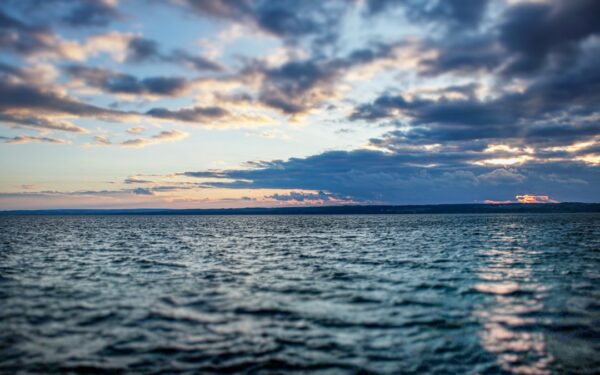
Seneca Lake State Park occupies 141 acres at the northern tip of Seneca Lake, just east of downtown Geneva. It is not the dramatic gorge hike of Watkins Glen or the towering waterfall of Taughannock — it is a lakefront park built for swimming, picnicking, boat launching, and spending an afternoon on the water. For visitors staying in Geneva, it is the closest public lake access and the best place to actually get in Seneca Lake without trespassing on someone’s lakefront property.
The park sits where the Seneca-Cayuga Canal connects to the lake’s north end. The water here is shallower than the mid-lake depths (Seneca reaches 618 feet at its deepest point, but the north end rarely exceeds 30 to 40 feet near shore), which means it warms up a few degrees faster than the deeper sections. By mid-July, the swimming area is genuinely comfortable.
Getting There and Parking
The park entrance is on Routes 5 and 20, about 1 mile east of Geneva’s downtown. Coming from the New York State Thruway (I-90), take Exit 42 and follow Routes 5 and 20 west about 7 miles. Signs are well-marked.
Parking: The main lot holds approximately 200 cars and rarely fills on weekdays. Summer weekend afternoons (especially July 4th week and August weekends) can fill by noon. There is additional overflow parking along the park road. All parking is within walking distance of the beach and picnic areas.
Vehicle entrance fee: $7 on weekdays, $7 to $10 on weekends and holidays from Memorial Day through Labor Day. Free in the off-season (after Labor Day through late May). Empire Pass accepted — if you plan to visit multiple state parks, the $80 annual pass pays for itself in 8 to 10 visits.
The Beach and Swimming
The swimming area is a sand-and-gravel beach along the lake’s north shore, with a roped-off swim zone and lifeguards on duty from late June through Labor Day, typically 11 a.m. to 7 p.m. The bottom is sandy with some gravel patches — water shoes are not essential but helpful for kids.
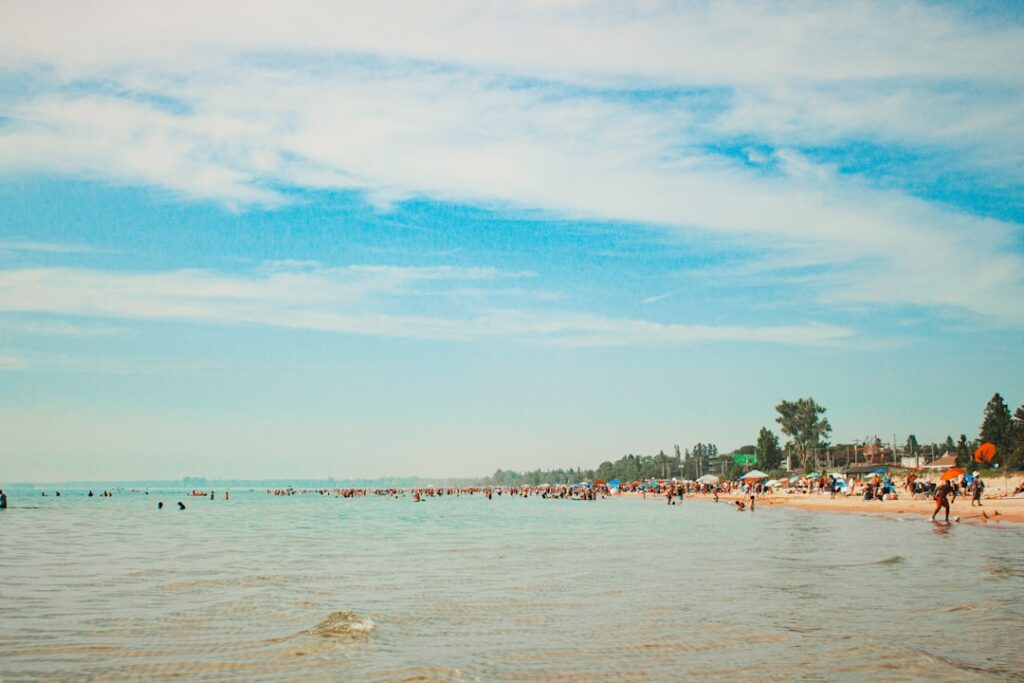
The water temperature at the north end reaches the upper 60s by late June and the mid-70s by August. Seneca Lake’s extreme depth creates a phenomenon called a seiche — wind can push warm surface water to one end of the lake and pull cold deep water up at the other end. Occasionally, summer swimmers at the north end experience a sudden temperature drop when cold water upwells. It is startling but not dangerous, and it usually resolves within a day.
The beach area includes a bathhouse with changing rooms and restrooms, outdoor showers, and a small concession stand that sells ice cream, snacks, and drinks in season. Picnic tables and grills are scattered along the waterfront.
Marina and Boat Launch
The park’s marina is one of the largest public marinas on Seneca Lake, with approximately 130 slips and a paved boat launch ramp. Launch fees are $7 to $10 per vehicle (included with park entrance). The marina accommodates boats up to about 25 feet. Slips are available for seasonal rental, and transient docking is sometimes available on a first-come basis — call the park office for availability.
The boat launch is also the best kayak and canoe put-in at the north end of Seneca Lake. The protected waters near the canal entrance are calm and suitable for beginners. From here, you can paddle south along either shore, though be aware that afternoon winds can build quickly on the open lake.
Trails and Walking
Most visitors come for the beach and overlook the park’s trail system, which is a minor shame. The trails are flat, paved or packed gravel, and run along the lakeshore and through wooded areas. Total trail mileage is modest — about 2 to 3 miles of connected paths — but the waterfront sections offer good bird-watching and lake views.
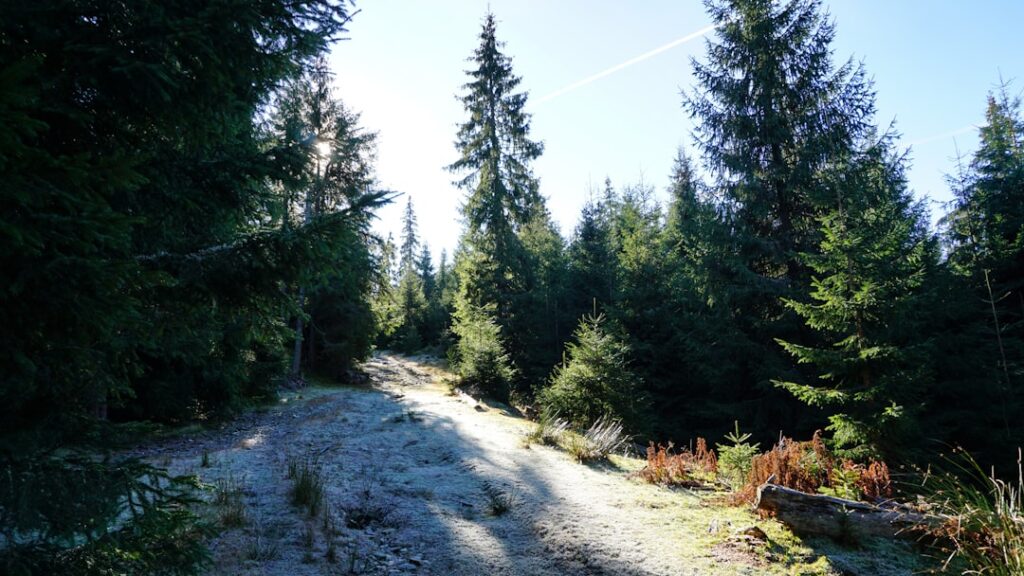
The Lakefront Trail runs along the shore from the beach area east toward the canal, about 1 mile each way. It is flat, stroller-friendly, and pleasant at sunset when the light hits the lake’s surface. Herons and egrets frequent the marshy areas near the canal.
The Spicebush Trail loops through a wooded section inland from the lake. It is shaded, quiet, and good for a short walk when the beach is too crowded or too hot. About 0.75 miles.
Picnicking and Facilities
The park has eight picnic pavilions available for reservation (call ahead for groups of 20 or more) and dozens of individual picnic tables scattered across the grounds. Charcoal grills are provided at many sites — bring your own charcoal. The large pavilions have electricity and can accommodate family reunions and group events.
Restrooms are located near the beach, the pavilion area, and the marina. The facilities are maintained but basic — state park standard, not resort standard.
Fishing
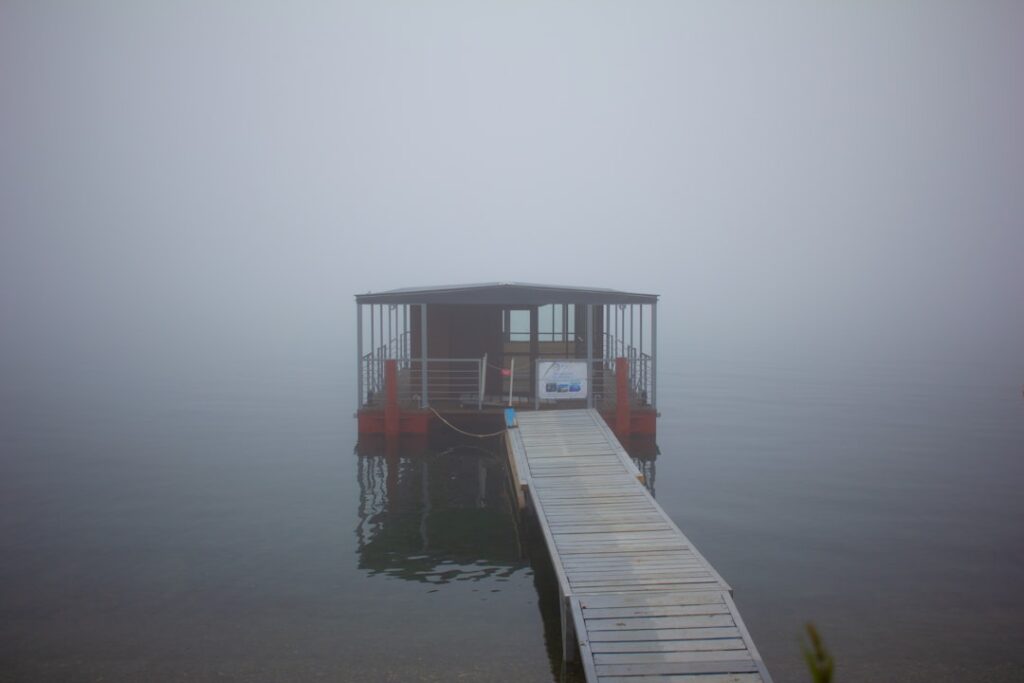
Seneca Lake is one of the best lake trout fisheries in the eastern United States. The north end, including the waters accessible from the park, produces lake trout, brown trout, rainbow trout, and landlocked Atlantic salmon. Shore fishing from the park’s waterfront and canal banks is productive for bass and panfish in summer. Trout fishing generally requires a boat and trolling gear to reach the deeper water.
A New York State fishing license is required for anyone 16 and older. Licenses are available online at the DEC website or at most bait shops and sporting goods stores in the region.
What the Park Does Not Have
It is worth noting what Seneca Lake State Park lacks so you can plan accordingly:
- No camping. The park is day-use only. For lakeside camping on Seneca Lake, Watkins Glen State Park has a campground at the south end, and Sampson State Park on the east shore has over 300 campsites. See our lakeside camping guide.
- No hiking trails of any length. The trails are pleasant walks, not hikes. For gorge hiking near Seneca Lake, drive 35 minutes south to Watkins Glen State Park.
- No food service in the off-season. The concession stand operates only in summer. Geneva’s restaurants are a 5-minute drive.
Nearby Attractions
The park’s location at the edge of Geneva makes it a natural pairing with other activities:
- Geneva’s downtown is 1 mile west — walkable for the ambitious, a 3-minute drive. Exchange Street has restaurants, shops, and the Smith Opera House.
- Seneca Lake Wine Trail: The first wineries on the east side of the lake are 10 to 15 minutes south. Hermann J. Wiemer and Fox Run Vineyards are about 20 minutes south on Route 14.
- The Seneca-Cayuga Canal: The canal path from the park connects to a multi-use trail that runs east toward Seneca Falls and the Montezuma National Wildlife Refuge.
- Rose Hill Mansion: A Greek Revival estate from 1839, about 3 miles east of the park on Route 96A. Open for tours in summer.
Best Time to Visit
For swimming: Mid-July through mid-August offers the warmest water and the longest lifeguard hours.
For solitude: Weekday mornings in June or September. The park is open but uncrowded, and the lake is often glassy.
For sunset: The park faces south and slightly west, which means late-afternoon and sunset light on the water is excellent. The Lakefront Trail at golden hour is one of the quieter pleasures in the Geneva area.
Off-season: The park is open year-round for walking and shore fishing, even when the beach and marina are closed. Winter walks along the frozen or near-frozen lakeshore have a stark beauty.
For more on the lake, see our Seneca Lake guide, and for the drive around the full shoreline, our Seneca Lake loop guide covers every stop.