Two Grapes, One Climate
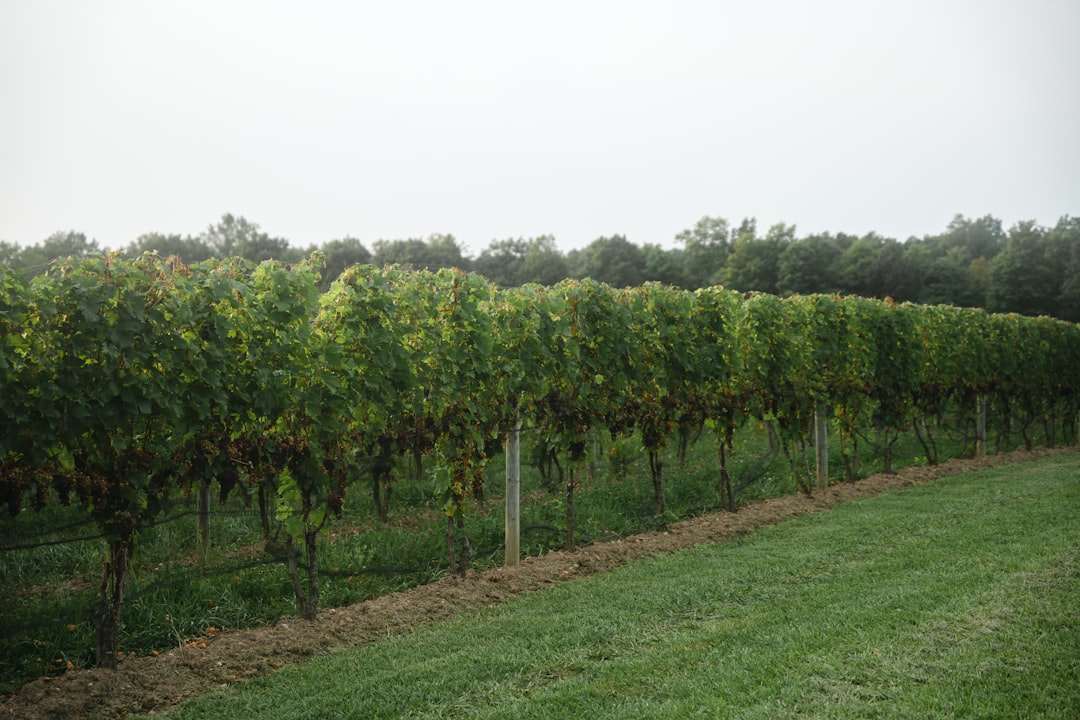
The Finger Lakes wine region grows dozens of grape varieties across its 130-plus wineries, but two white grapes define the area’s identity: Riesling and Gewurztraminer. Both are originally from the Rhine regions of Germany and Alsace, and both do exceptionally well in the Finger Lakes for the same basic reason: a long, cool growing season that preserves the natural acidity in the grape while allowing enough hang time for the fruit to develop complex flavor.
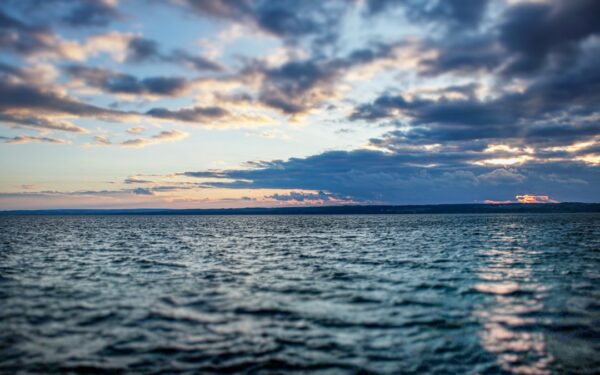
Seneca Lake and Cayuga Lake — the two deepest and longest Finger Lakes — moderate winter temperatures by holding warmth from summer in their massive water volumes. Seneca Lake, 618 feet deep, rarely freezes. The thermal effect keeps the vineyards along its shores 5 to 10 degrees warmer in winter than surrounding upland areas, which is the difference between vines that survive and vines that freeze. The shale and limestone soils on the steep lake slopes add mineral character that shows up in the finished wines, particularly in Riesling.
Riesling: The Flagship
What It Tastes Like
Finger Lakes Riesling is defined by acidity. The cool climate preserves the grape’s naturally high acid levels, producing wines with a brightness and tension that warmer-climate Rieslings lack. On the flavor spectrum, expect citrus (lemon, lime, grapefruit), stone fruit (peach, apricot), and a mineral quality that some describe as wet slate — a direct expression of the shale soils. Dry Rieslings from the Finger Lakes are lean and precise. Off-dry versions balance a touch of residual sugar against that cutting acidity. Sweet and late-harvest Rieslings concentrate the peach and honey notes while the acid keeps them from becoming cloying.
The range is enormous. A bone-dry Riesling from Hermann J. Wiemer tastes almost nothing like a semi-sweet Riesling from Hazlitt — same grape, same region, completely different wines. This range is one of the reasons Riesling dominates the Finger Lakes: it accommodates every palate from austere-dry to dessert-sweet.
Where to Taste the Best Finger Lakes Riesling
- Hermann J. Wiemer Vineyard (Seneca Lake, west side): Founded in 1979 by a German-born winemaker who helped establish Riesling as the region’s serious grape. The dry Rieslings here are among the most precise in the United States — lean, mineral-driven, and built to age. The tasting room is focused and educational without being pretentious.
- Ravines Wine Cellars (Seneca and Keuka Lakes): Winemaker Morten Hallgren trained in Bordeaux and brings a European discipline to Finger Lakes Riesling. The dry Rieslings are consistently among the region’s best reviewed. The Seneca Lake tasting room sits on the west shore.
- Dr. Konstantin Frank Winery (Keuka Lake): The estate that proved vinifera grapes could survive Finger Lakes winters in the 1960s. Their Riesling lineup spans from dry to sweet and represents the broadest single-winery introduction to what the grape does in this climate. On Route 54 above Hammondsport.
For a deeper dive, our complete guide to Finger Lakes Riesling covers the grape’s history, styles, and top producers in detail.
The Dry vs. Sweet Debate
Riesling has an image problem. Many American wine drinkers assume all Riesling is sweet, which is incorrect — the majority of Finger Lakes Riesling produced today is dry or off-dry. The confusion stems from the 1980s and 1990s, when mass-market German imports were largely sweet and cheap, and the word “Riesling” became associated with sugar. The Finger Lakes region has pushed hard against this perception, and most serious producers now lead their tasting flights with dry Rieslings.
That said, the sweeter styles are not lesser wines. A well-made semi-sweet Riesling from the Finger Lakes has enough acidity to balance the sugar, producing a wine that is rich without being syrupy. And Finger Lakes ice wine — made from Riesling grapes frozen on the vine and pressed in December or January — is among the finest dessert wine produced in North America. See our ice wine guide for where to find it.
Gewurztraminer: The Aromatic Alternative
What It Tastes Like
Gewurztraminer is Riesling’s louder, more perfumed sibling. The aromas hit immediately: lychee, rose petal, ginger, tropical fruit, and a spice note that gives the grape its name (“Gewurz” means “spice” in German). The palate is fuller-bodied than Riesling — oilier in texture, with lower acidity and a richer mouthfeel. Where Riesling is a scalpel, Gewurztraminer is a paintbrush: broad, aromatic, and generous.
Finger Lakes Gewurztraminer tends to be drier than examples from Alsace, with the cool climate preserving enough acidity to keep the wine from becoming flabby. The best versions balance the grape’s natural opulence with a crisp finish — aromatic and rich on the nose, structured and clean on the palate.
Where to Taste the Best Finger Lakes Gewurztraminer
- Hazlitt 1852 Vineyards (Seneca Lake, east side): Known for approachable, fruit-forward wines. Their Gewurztraminer is aromatic and slightly off-dry — a good entry point for people new to the grape. Tasting fee: $5.
- Sheldrake Point Winery (Cayuga Lake, west side): Produces a well-balanced Gewurztraminer with the grape’s classic lychee and rose character but a drier, more structured finish than most. The tasting room overlooks the vineyards and the lake.
- Standing Stone Vineyards (Seneca Lake, east side): Makes a consistently well-reviewed Gewurztraminer that balances aromatic intensity with acidity. The small tasting room on Route 414 is quieter than the larger operations.
How to Tell Them Apart in a Blind Tasting
If someone hands you two glasses of white Finger Lakes wine and asks you to identify which is Riesling and which is Gewurztraminer, here is what to look for:
- Nose: Gewurztraminer announces itself before the glass reaches your lips. If you smell lychee, roses, or a perfume-like intensity, it is Gewurztraminer. Riesling’s aromas are subtler — citrus, green apple, petrol (a characteristic mineral note in aged Rieslings), and stone fruit.
- Color: Gewurztraminer is typically a deeper gold than Riesling, which leans pale straw to light gold.
- Body: Swirl the wine and take a sip. Gewurztraminer feels heavier and oilier in the mouth. Riesling feels lighter, brighter, and more acidic.
- Finish: Riesling’s acidity lingers on the sides of your tongue. Gewurztraminer finishes broader and warmer, sometimes with a slight bitterness on the back palate.
Food Pairings
Riesling Pairings
Riesling’s high acidity makes it one of the most food-versatile white wines. Dry Riesling pairs with shellfish, sushi, grilled chicken, and goat cheese. Off-dry Riesling is one of the best wines on earth for spicy food — Thai, Indian, Sichuan — because the touch of sugar tames the heat while the acid cuts through rich sauces. Sweet Riesling pairs with fruit desserts and strong cheeses like blue cheese or aged Gouda.
Gewurztraminer Pairings
Gewurztraminer’s aromatic richness and fuller body call for bolder flavors. It is a classic match for Alsatian dishes like choucroute (sauerkraut with sausage) and pork. The lychee and spice notes make it a strong pairing for Chinese and Southeast Asian cuisines. It also works with smoked salmon, pate, and Munster cheese. The one pairing to avoid: delicate fish like sole or flounder, where the wine’s intensity overwhelms the food.
Which Should You Try First?
If you are visiting the Finger Lakes with no wine background, start with Riesling — it is the region’s calling card, and tasting three or four Rieslings across the dry-to-sweet spectrum teaches you more about wine style than any other single-grape exercise. Add a Gewurztraminer tasting at your second or third winery stop for contrast. The shift from Riesling’s precision to Gewurztraminer’s aromatic richness is one of the most instructive comparisons available in a single wine region.
For a broader introduction to the region’s wines, see our beginner’s guide to Finger Lakes wineries, which maps out the most welcoming tasting rooms on each lake.