One of the most common questions visitors ask is when to come to the Finger Lakes. The honest answer: it depends on what you want. July brings lake swimming and peak festival season. October delivers the most dramatic scenery. March has the best waterfall flow. January is the quietest, cheapest, and most likely to put you in front of a fireplace with a glass of local wine and no crowds.
Every month has a reason. Here is the full calendar.
January
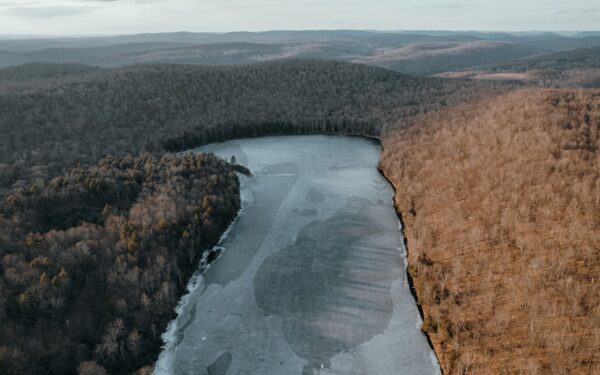
January is the Finger Lakes at its quietest. The lakes themselves rarely freeze completely — Seneca and Cayuga are too deep — but the shallow western lakes (Honeoye, Conesus, Otisco) develop reliable ice by early to mid-January, drawing ice fishing anglers for walleye, perch, and pike.
Bristol Mountain in Canandaigua is in full ski season, with 38 trails, 1,200 feet of vertical drop, and night skiing most days. It is the largest ski area in the Finger Lakes and typically has good conditions through early March.
Wineries and tasting rooms remain open year-round on the major wine trails, and January is the time to visit them without the crowds. Many offer fireside tastings and winter-only events. Belhurst Castle in Geneva runs winter packages that pair lakeside accommodation with wine trail access.
What to expect: highs in the upper 20s to low 30s, frequent lake-effect snow on the western side of the region, short days. Hotel and vacation rental rates hit their annual low.
February
February is a continuation of January’s winter character, often with the coldest sustained temperatures of the year. Average highs sit in the low 30s, and nighttime lows can drop below zero.
Ice fishing remains strong on Honeoye and Conesus through mid-February, conditions permitting. Bristol Mountain skiing is typically at peak conditions. Frozen waterfalls at Taughannock Falls and She-Qua-Ga Falls in Montour Falls are dramatic in February — the lower Taughannock Gorge Trail stays open year-round, and walking the flat 1.5-mile trail to see the frozen 215-foot falls is one of the region’s best winter outings.
Several wineries on the Seneca Lake Wine Trail host winter events in February, including barrel tastings and food pairings. The crowds are thin and the tasting room staff has time to talk.
March
March is the transition month, and it brings two of the region’s most compelling seasonal events: maple syrup production and peak waterfall flow.
Maple season runs from late February through early April, depending on the temperature cycle of freezing nights and above-freezing days that drives sap flow. Sugar houses throughout the region tap their maple stands and produce syrup. Several offer tours and tastings, including operations in the Bristol Hills and around Naples.
Snowmelt from the surrounding hills peaks in late March and early April, swelling every creek and waterfall to maximum volume. The roadside falls — She-Qua-Ga (156 feet), Hector Falls, Aunt Sarah’s Falls, Deckertown Falls — run at their most impressive in March. The state park gorge trails remain closed, but the views from overlooks and road pulloffs are spectacular.
The Catharine Creek rainbow trout run begins in mid-March and draws anglers to the creek near Watkins Glen for some of the best stream fishing in New York State. Naples Creek on Canandaigua Lake sees a similar run.
Lodging rates remain low through March, and the region is uncrowded.
April
April is the quiet shoulder season. Snow is mostly gone from the lowlands, but it is too early for swimming, most gorge trails are still closed, and the landscape has not yet fully greened up. This does not mean April is without appeal — it means April is for people who prefer solitude.
Early wildflowers appear in the hardwood forests: trillium, bloodroot, hepatica, and marsh marigold along stream banks. The Finger Lakes National Forest and the Finger Lakes Trail are open and nearly empty. Birding picks up as migratory species return — the Montezuma National Wildlife Refuge at the north end of Cayuga Lake is one of the top migratory waterfowl stops in the Atlantic Flyway, and April is peak spring migration.
Lodging deals are among the best of the year in April. Many vacation rentals and B&Bs offer off-season rates that are 30 to 50 percent below peak summer pricing.
May
May is when the Finger Lakes come alive. The gorge trails at state parks reopen (typically mid-May), winery patios start filling up, and the hiking season begins in earnest.
The National Lake Trout Derby on Seneca Lake takes place in May, drawing hundreds of boats for the biggest fishing tournament of the year. Lake trout and landlocked salmon are the target species, with cash prizes for the heaviest fish.
Wineries and cideries that operate seasonally open for the year in May. Farmers markets begin their summer schedules — the Ithaca Farmers Market at Steamboat Landing on Cayuga Lake is among the most celebrated in the state, running every Saturday and Sunday starting in April. By May, the vendor list is full: produce, baked goods, prepared foods, local meats, and Finger Lakes wines.
Water temperatures are still cold in May — mid-50s in most lakes — so swimming is limited to the very brave. But kayaking, boating, and fishing are all in season.
June
June marks the real beginning of summer in the Finger Lakes. Lake surface temperatures reach the mid-60s by late June, and swimming becomes comfortable at public beaches. Kershaw Park in Canandaigua, Seneca Lake State Park in Geneva, and Taughannock Falls State Park beach are all open with lifeguards by mid-June.
The Ithaca Festival, a multi-day arts and music festival on the Ithaca Commons, typically takes place in early June. It draws performers, vendors, and visitors from across the region.
Farmers markets hit full stride. The region’s farm stands open with strawberries in mid-June, followed by cherries later in the month. Wine trails are busy but manageable — the real crush does not hit until July.
June is also when bass season opens for harvest on New York lakes (third Saturday of the month), making it a prime time for warm-water anglers.
July
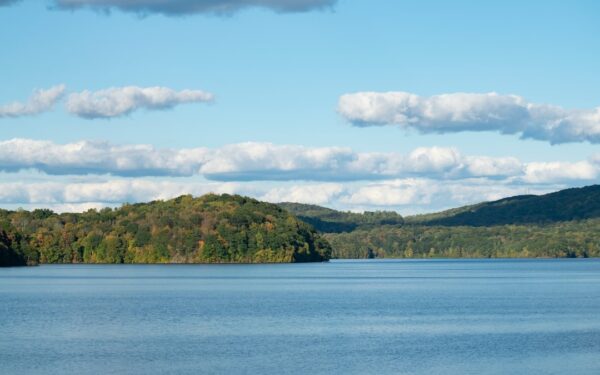
July is peak season. Lake temperatures reach the low to mid-70s, every beach and boat launch is busy, and the wine trails, breweries, and restaurants are operating at full capacity. This is the most expensive and most crowded month to visit, but the long days (sunset past 8:30 PM), warm lake water, and sheer density of things happening make it the classic Finger Lakes experience.
Outdoor concerts and events run throughout July. Vineyards host sunset tastings, breweries hold outdoor festivals, and several lakes have fireworks displays around Independence Day. The Finger Lakes GrassRoots Festival of Music and Dance, held at the Trumansburg Fairgrounds near Cayuga Lake, is one of the largest multi-day music festivals in the Northeast.
Book lodging well in advance for July. Popular vacation rentals on the lakeshores reserve six months to a year ahead.
August
August continues July’s summer energy with subtle shifts. Lake water hits its warmest temperatures (mid-70s), and the produce season is at its peak: sweet corn, tomatoes, peaches, and the early grape harvest at vineyards across the region. Farm stands and farmers markets overflow with the best of the growing season.
By late August, the first hints of fall appear. Morning mists hang over the lakes, evenings turn cool enough for a jacket, and the light takes on a golden quality that photographers prize. The summer crowds begin to thin in the last two weeks of August, making it one of the best times to visit if you want warm weather without peak-season congestion.
Swimming remains excellent through August. Waterfall flow is at its lowest of the year after a dry summer, but a good rainstorm can revive the falls dramatically.
September
September is when the Finger Lakes pivot from summer recreation to harvest season. The grape harvest begins in earnest, with early-ripening varieties coming in during the first weeks and the main Riesling and Cabernet Franc harvest following through mid-October. Wineries buzz with activity, and many offer harvest-themed tastings and tours.
The weather is near-ideal for outdoor activity: highs in the 60s and 70s, cool mornings, low humidity, and clear skies. Hiking is superb — the gorge trails are still open, the bugs are gone, and the trails are far less crowded than in July. Lake swimming is still possible through mid-September, though water temperatures begin to drop.
September is the sweet spot for visitors who want warm weather, winery access, and breathing room. Lodging rates drop slightly from peak July/August levels.
October
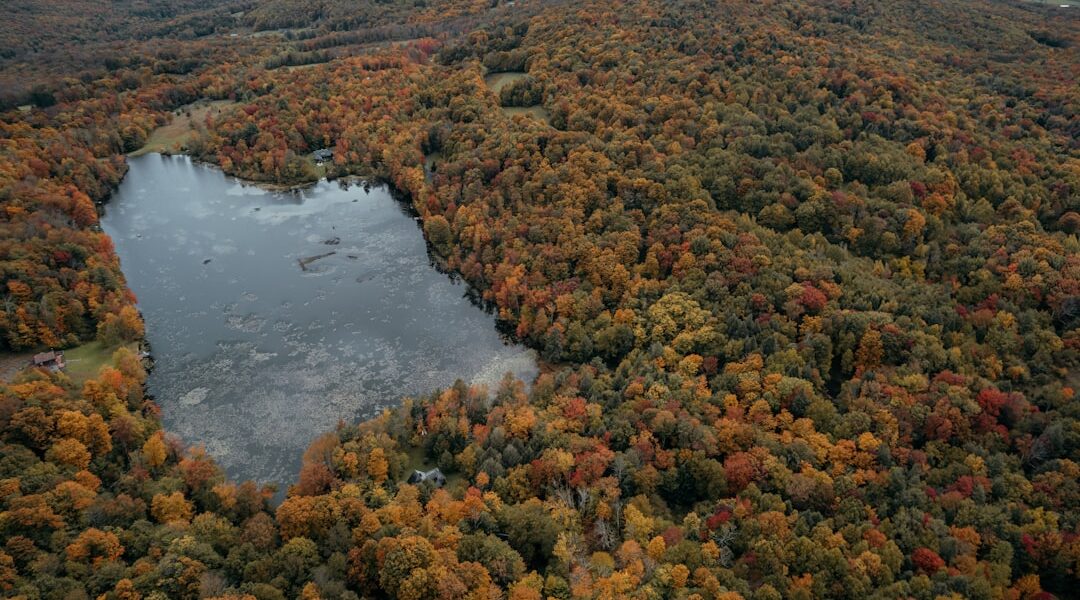
October is the most visually dramatic month in the Finger Lakes. Fall foliage peaks in the second and third weeks of October, typically around Columbus Day weekend. The mix of maples, oaks, beeches, and birches that cover the hillsides surrounding each lake produces intense reds, oranges, and golds reflected in the water below.
Peak foliage spots include the Rim Trails at Taughannock Falls and Watkins Glen, the Bristol Hills along Route 64 south of Canandaigua, the Bluff Point peninsula on Keuka Lake, and the ridges of the Finger Lakes National Forest.
The Naples Grape Festival, held the last weekend of September or first weekend of October, draws tens of thousands of visitors to the village of Naples for grape pie, local wine, and craft vendors. It is one of the oldest and largest harvest festivals in the region.
Gorge trails at state parks typically close in early November, so October is the last full month to hike them. The combination of fall color, cool hiking weather, and harvest-season winery events makes October the most popular month for weekend visitors.
Book lodging early for Columbus Day weekend — it sells out months in advance across the entire region.
November
November brings late fall quiet. The foliage is past peak by the first week of the month, the gorge trails close for winter, and the landscape settles into muted browns and grays. Rain is common, and the first snowfall often arrives by mid-November in the higher elevations.
Hunting season opens in November — deer season is the main draw, and hunters are a significant presence on state lands and in the Finger Lakes National Forest. If you are hiking in November, wear blaze orange on any trail that crosses state forest or wildlife management areas.
The Skaneateles Dickens Christmas begins in late November and runs through December, transforming the village of Skaneateles into a Victorian holiday setting with costumed characters, live performances, and decorated storefronts. It is one of the most popular holiday events in central New York and draws visitors from well beyond the Finger Lakes.
Winery tasting rooms remain open, and the slower pace means more personal attention. Lodging rates drop to shoulder-season levels.
December
December brings the Finger Lakes into full winter mode. Bristol Mountain typically opens for ski season in early to mid-December, conditions permitting. The Skaneateles Dickens Christmas continues every weekend through December 23rd.
Wine trail holiday events are a December tradition. The Seneca Lake Wine Trail, Cayuga Lake Wine Trail, and Keuka Lake Wine Trail each run holiday-themed weekends with special tastings, food pairings, and gift-oriented events. These are popular and often require advance tickets.
The lakes begin to cool dramatically, and the shallow lakes may start developing ice around the edges by late December. Snow is common but inconsistent — the Finger Lakes sit in a transition zone where some years bring white Christmases and others bring bare ground and rain.
December is a good month for visitors who want a cozy, low-key experience: fireplaces at lakeside lodges, small-batch wine tastings without the crowds, and the holiday atmosphere of the small villages. Lodging rates are low outside of the holiday weekends themselves.
The Bottom Line: When Should You Visit?
- Best weather and lake access: July and August
- Best scenery: October (peak foliage)
- Best for waterfalls: Late March through May (peak flow, gorge trails open mid-May)
- Best for wine tasting without crowds: January, February, April, November
- Best value: January through April (lowest lodging rates, uncrowded tasting rooms)
- Best overall balance: September (warm weather, harvest season, manageable crowds, lower rates than July/August)