The Longest Finger Lake
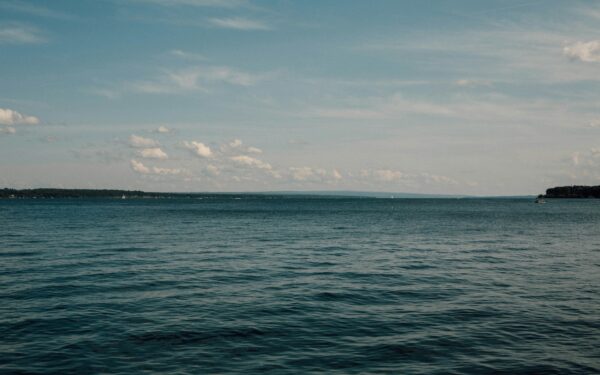
Cayuga Lake stretches 38.2 miles from Ithaca in the south to Seneca Falls in the north, making it the longest of the eleven Finger Lakes. It’s the second deepest at 435 feet, and the second largest by volume — perpetually running second to neighboring Seneca Lake in every metric except length, where it wins by a fraction of a mile.
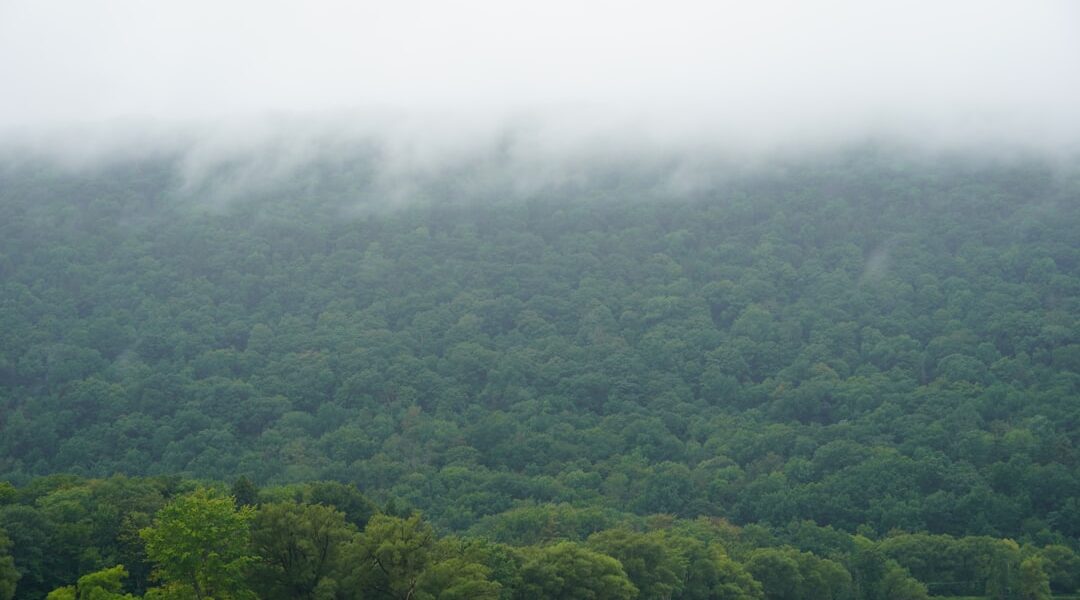
The lake is narrow, averaging about 1.75 miles wide, so from most points on shore the opposite bank is clearly visible. The western hillside rises steeply, lined with vineyards and gorges. The eastern side is gentler, with more farmland and fewer dramatic views. That asymmetry shapes the character of the entire lake: the west side draws visitors, the east side feeds them.
Ithaca and the Southern End
Ithaca sits at the southern tip of Cayuga Lake where the Inlet meets the lakeshore. It’s a college town — Cornell University and Ithaca College together bring roughly 30,000 students — and that population drives a dining and cultural scene that would be unusual for a city of 32,000 people. The Ithaca Commons, a pedestrian mall downtown, is lined with independent restaurants, bookstores, and shops.
The gorges are the other reason people come. Ithaca sits in a landscape carved by glacial meltwater, and within a 10-mile radius of downtown there are more than 150 waterfalls. The most accessible are in the state parks: Buttermilk Falls (a 165-foot cascade you can swim at the base of), Robert H. Treman (with a natural swimming hole at the lower falls), and Cascadilla Gorge, which runs right through the Cornell campus.
Eight miles north of Ithaca on the west side of Cayuga Lake, Taughannock Falls drops 215 feet in a single plunge — 33 feet taller than Niagara Falls. The gorge trail is a flat, three-quarter-mile walk from the parking lot to the overlook at the base. A rim trail above provides a different perspective, but the impact is from below, where the amphitheater of rock walls rises around you. The falls run hardest in spring and after heavy rains; by late August in a dry year, the flow can reduce to a trickle.
Taughannock Falls State Park also has a swimming beach, boat launch, and campground right on the lakeshore — one of the best public waterfront camping spots in the Finger Lakes.
The Wine Region
The Cayuga Lake Wine Trail, established in 1988, includes roughly 15 wineries along the lake’s western and northern shores. The trail is smaller than Seneca’s, but the quality-to-quantity ratio is high.
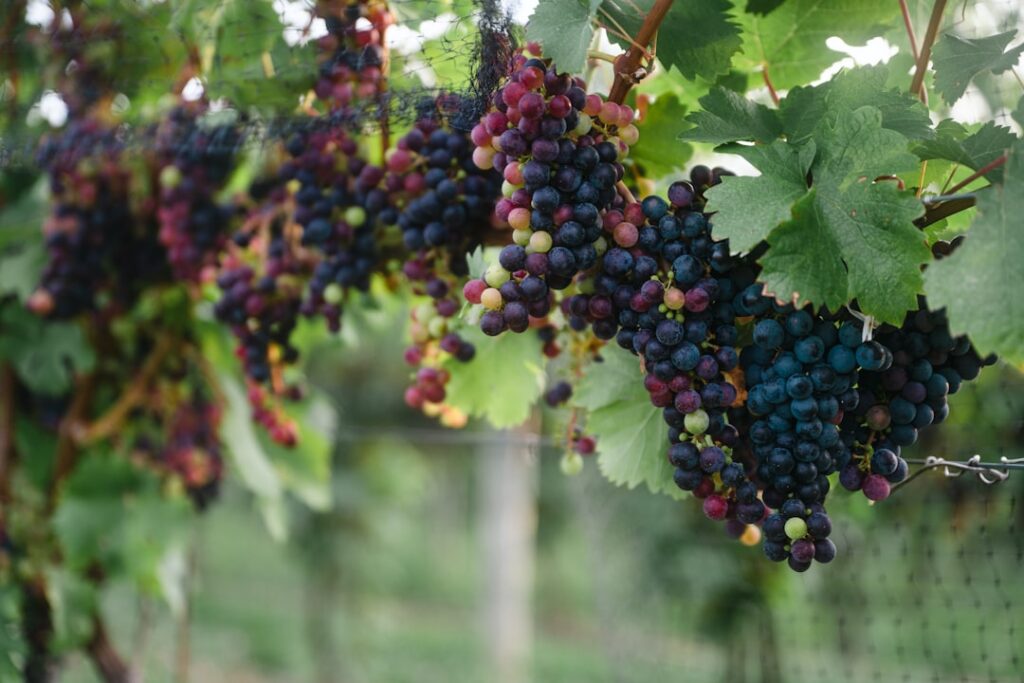
- Sheldrake Point Winery — Overlooking the lake from the west side. The dry Riesling and Gamay Noir are worth the drive.
- Buttonwood Grove Winery — A smaller operation with a strong Cabernet Franc program and a tasting room that looks directly down the lake.
- Thirsty Owl Wine Company — Located on the west shore with a restaurant, tasting room, and one of the better lakeside patios in the region.
Fishing
Cayuga Lake has a reputation as one of the strongest largemouth bass fisheries in New York State. The northern shallows, where the lake widens and the depth drops to 10 to 20 feet, hold largemouth bass, northern pike, and chain pickerel in the extensive weed beds. The north end around Seneca Falls and the Cayuga-Seneca Canal is particularly productive for warm-water species from May through September.
The deeper water supports lake trout, brown trout, landlocked salmon, and smallmouth bass. Trolling for lake trout in the 200- to 300-foot-deep center section is productive from spring through fall. Smallmouth bass concentrate around rocky points and drop-offs, especially on the east shore.
The Cayuga Lake Blueway Trail
Paddlers have a 52-mile marked water trail running the length of Cayuga Lake, with designated launch and rest points along both shores. The trail is broken into manageable sections, and on a calm day the northern half — wide, flat, and relatively sheltered — is suitable for intermediate kayakers and canoeists. The southern end narrows and can channel wind into surprisingly steep chop, so check conditions before heading out.
Towns Along the Shore
Aurora
Aurora is a postcard-sized village on the east shore, about 20 miles north of Ithaca. The entire village center is on the National Register of Historic Places. MacKenzie-Childs, the decorative arts company known for its hand-painted ceramics and checkered patterns, has its studio and factory here — tours are available and worth the time if you’re curious about how the pieces are made.
Seneca Falls
Seneca Falls sits at the north end of Cayuga Lake and is best known as the site of the 1848 Women’s Rights Convention — the event that produced the Declaration of Sentiments and launched the women’s suffrage movement. The Women’s Rights National Historical Park downtown tells that story in detail. The town also claims to be the inspiration for Bedford Falls in Frank Capra’s “It’s a Wonderful Life,” though Capra never confirmed it.
Getting On the Water
Public Access Points
- Allan H. Treman State Marine Park (Ithaca) — The largest inland marina in New York State, with a boat launch and shoreline fishing
- Taughannock Falls State Park (Trumansburg) — Boat launch, swimming beach, camping
- Long Point State Park (Aurora) — Swimming, picnicking, and a carry-in boat launch on the east shore
- Dean’s Cove Boat Launch (north end, east side) — State launch site with parking
- Cayuga Lake State Park (Seneca Falls) — Campground, boat launch, swimming beach at the north end
Distances
- Syracuse: 60 miles to Ithaca (about 1 hour 10 minutes)
- Rochester: 90 miles to Ithaca (about 1 hour 40 minutes)
- Binghamton: 55 miles to Ithaca (about 1 hour)
- New York City: 230 miles to Ithaca (about 4 hours)
When to Go
The gorge trails are at their best from May through October, though spring runoff (April through early June) produces the most dramatic waterfall flows. Summer brings the warmest water temperatures for swimming, typically peaking in late July and August. Fishing is productive year-round, with spring and fall the prime seasons for trout and early summer through September best for bass. Fall foliage along the lake typically peaks in the second or third week of October.