The Village That Exists After the Gorge Trail Closes
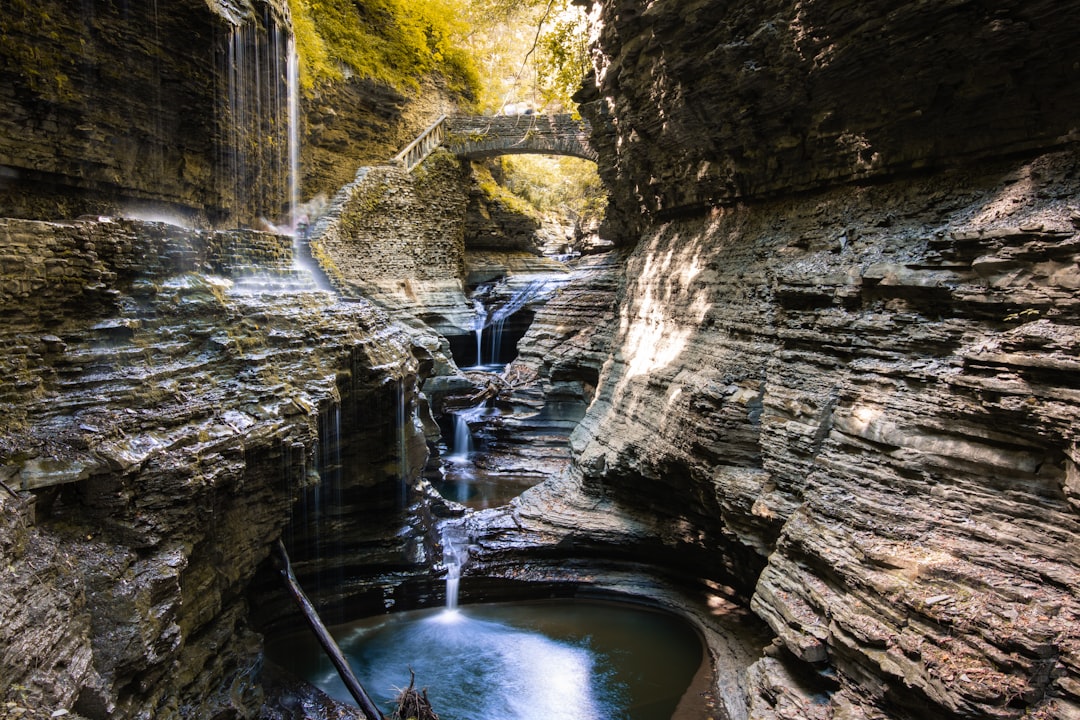
Here is what happens to most visitors in Watkins Glen: they drive in, park at the state park entrance, hike the gorge, get back in the car, and leave. They never walk Franklin Street. They never see the waterfront. They never learn that this village of 1,800 people has hosted professional auto racing since the 1940s, sits at the doorstep of the largest wine trail in the Finger Lakes, and contains restaurants worth a dedicated trip. The gorge is extraordinary — 19 waterfalls in two miles of carved stone — but treating Watkins Glen as a one-attraction stop means missing the real texture of the place.
Watkins Glen operates on two calendars. From mid-May through early November, the gorge trail is open, and the village absorbs a steady stream of hikers. From June through September, Watkins Glen International hosts race weekends that triple the local population overnight. Between those two forces, the village has developed an infrastructure — restaurants, lodging, a waterfront — that serves both crowds and rewards visitors who stick around.
Watkins Glen International
Before the state park became the primary draw, racing put Watkins Glen on the map. The first road race ran through the village streets in 1948, with sports cars tearing down Franklin Street, around the lakefront, and up the hillside at speeds that would give a modern insurance adjuster a heart attack. The original street course operated until 1952, when the racing moved to a purpose-built circuit south of town. That circuit — Watkins Glen International — is now a 3.4-mile road course that hosts NASCAR Cup Series events, IMSA WeatherTech SportsCar Championship races, and vintage racing weekends that draw thousands of classic cars and their devoted owners.
The NASCAR weekend, typically held in September, is the single largest annual event in the Finger Lakes. Every hotel room within 40 miles sells out, and the sound of engines carries across Seneca Lake to the opposite shore. Even if you are not a motorsport enthusiast, the scale of the operation is impressive — over 100,000 people descend on a village that normally supports fewer than 2,000.
For visitors interested in the history, the International Motor Racing Research Center on Decatur Street in the village is a free museum and archive documenting Watkins Glen’s racing legacy and motor racing worldwide. The collection is focused and well-curated — an hour here gives you a real sense of why this tiny village matters to the global racing community. You can also walk the original 1948 street course: historical plaques mark the route through the village, and the full loop takes about 30 minutes on foot.
The Seneca Lake Waterfront
Franklin Street dead-ends at Seneca Lake, and the waterfront here is more functional than scenic — a public pier, a small park, the marina, and a cluster of restaurants oriented toward the water. But function is the point. Captain Bill’s Seneca Lake Cruises operates sightseeing and dinner cruises from the marina, and the standard one-hour cruise provides a perspective of the lake and surrounding vineyards that you cannot get from shore. Captain Bill’s also allows dogs aboard, which makes it one of the few pet-friendly boat experiences in the region.
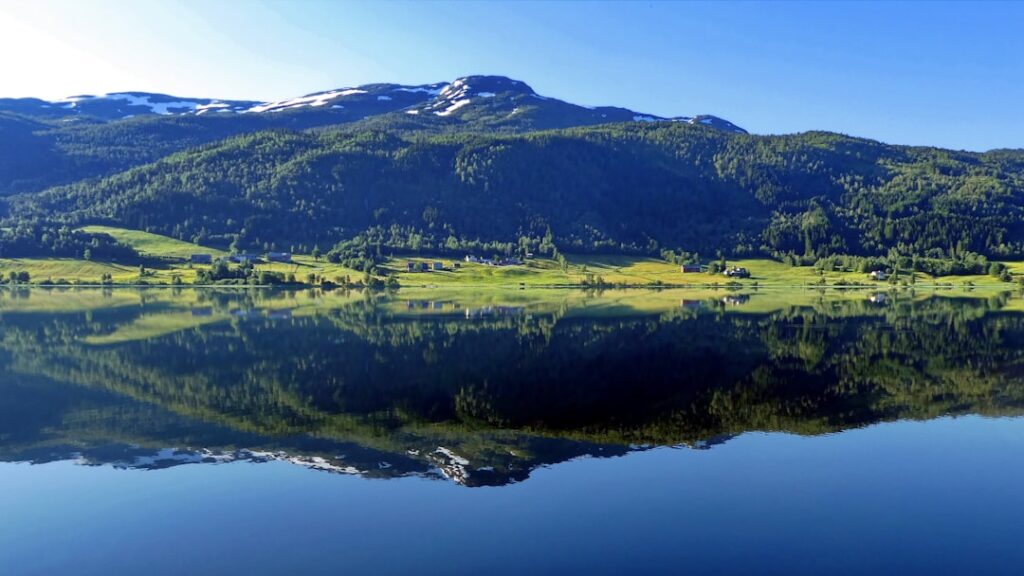
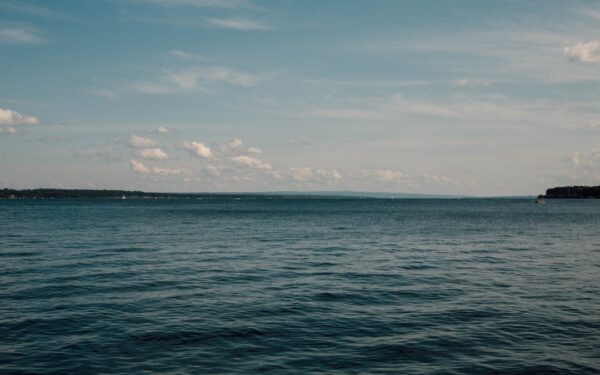
The marina itself is a working facility — fishing charters launch from here, and during summer weekends, pleasure boats pack the slips. Walking the pier at sunset, with Seneca Lake stretching 38 miles north toward Geneva and the vineyard-covered hillsides turning gold in the late light, is one of those free experiences that justifies slowing down.
Clute Memorial Park, a short drive north of the village center along the western lakeshore, has a public swimming beach, a campground, and a boat launch. The beach is free for village residents; non-residents pay a small fee in summer. It is less crowded than Seneca Lake State Park in Geneva and gets you on the water without fighting for parking.
Wineries Within 10 Minutes
Watkins Glen sits at the southern terminus of the Seneca Lake Wine Trail, the largest wine trail in the Finger Lakes with more than 30 member wineries strung along a 45-mile loop around the lake. You do not need to drive the full loop to taste excellent wine. Several tasting rooms are within a 10-minute drive heading north on either shore.
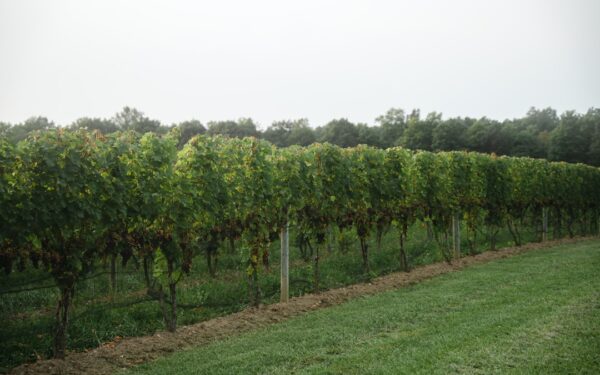
On the east side (Route 414), Catharine Valley Winery is practically at the village edge. Continue north for 10 minutes and you reach Castel Grisch, a Swiss-themed winery with a hilltop view over the lake, and Lakewood Vineyards, a family-owned estate that has been farming the same land since 1951. On the west side (Route 14), Glenora Wine Cellars — one of the region’s pioneers, operating since 1977 — offers tastings, a restaurant, and an inn with lake views. Their chocolate and wine pairing is a perennial favorite.
For a deeper exploration of the wine trail, our Guide to Seneca Lake covers the full loop and the top producers on both shores.
Dining in the Village
Watkins Glen’s restaurant scene has improved substantially over the past decade. The village now has enough variety to support two or three meals without repeating a cuisine or a setting.
Wildflower Cafe occupies a narrow storefront on Franklin Street and serves farm-to-table food that takes its sourcing seriously — the menu lists the farms by name. The space is small (maybe 30 seats), reservations are a good idea on summer weekends, and the seasonal specials reflect what is actually growing within a short drive. This is one of those restaurants that works because the person in the kitchen cares about the ingredients more than the presentation.
Jerlando’s Ristorante & Pizza, also on Franklin Street, has been feeding locals and visitors since 1995. The pizza is made from scratch, the pasta portions are generous, and the prices are reasonable. It is not trying to be elevated dining — it is trying to be a good Italian restaurant in a small town, and it succeeds. On a summer Friday, the wait can stretch to 30 minutes, and people wait without complaint.
Nickel’s Pit BBQ in nearby Corning draws serious barbecue fans from across the region, but for a waterfront meal in Watkins Glen itself, Seneca Harbor Station at the marina serves seafood and American fare on a deck overlooking the lake. The food is straightforward, but the setting — boats in the slips, the water stretching north — elevates the experience.
Havana Glen Park
If the gorge at Watkins Glen State Park is packed (and in July and August, it often is), there is a quieter alternative five minutes south of the village. Havana Glen Park in Montour Falls is a short gorge trail maintained by the village, ending at Eagle Cliff Falls, a 40-foot waterfall that drops into a wide, shallow pool. The trail is about half a mile one way, follows a creek through a narrow, moss-covered gorge, and requires easy to moderate effort. Admission is $3 per person, paid on the honor system at a box near the trailhead.
Havana Glen does not have the scale of Watkins Glen State Park — no 200-foot walls, no 19 waterfalls — but it has something the state park cannot offer during peak season: solitude. On a Tuesday afternoon in August, you might have the gorge to yourself.
While you are in Montour Falls, drive past She-Qua-Ga Falls on Main Street — a 156-foot waterfall that drops directly into the village, visible from the road. No hiking required, no entrance fee, and it is one of the tallest roadside waterfalls in the eastern United States. Our complete waterfall guide covers She-Qua-Ga and every other major falls in the region.
The Farm Market and Local Producers
The Watkins Glen Farmers Market runs on Thursdays from June through October in the village park near the waterfront. It is smaller than the famous Ithaca Farmers Market, but the produce — sweet corn, tomatoes, stone fruit, local honey, baked goods — comes from the same Schuyler County farmland that has been under cultivation for generations. The vendors are the growers. The prices are fair. And shopping here at 9 a.m. on a Thursday morning, before the gorge trail crowds arrive, gives you a sense of Watkins Glen as a community rather than a destination.
For specialty food, Rooster Fish Brewing on Franklin Street combines a craft brewery with a kitchen that serves better-than-average pub fare. The beer is brewed on-site and rotates seasonally.
Seasonal Considerations
Watkins Glen is genuinely a different place depending on when you visit. Summer (June through August) is peak season — the gorge is open, the restaurants are full, and the waterfront hums. September brings the NASCAR weekend and the beginning of grape harvest on the wine trail. October delivers fall foliage and comfortable hiking weather with fewer crowds. November through April is the quiet season — the gorge trail closes, some restaurants reduce hours, and the village settles into a rhythm that belongs to the people who live here year-round. Wineries remain open, and visiting a tasting room in January, with a fire in the hearth and no line at the bar, is a qualitatively different experience from a crowded August afternoon.
Practical Details
Watkins Glen is at the southern tip of Seneca Lake, roughly 60 miles southwest of Syracuse, 90 miles southeast of Rochester, and 20 miles north of Corning. Parking in the village is free on side streets and in municipal lots. The state park charges a $10 vehicle fee from Memorial Day through Columbus Day. The village is compact and walkable — from the state park entrance to the waterfront is about a 10-minute walk down Franklin Street.
If you are making Watkins Glen a base, the Watkins Glen Harbor Hotel is the only hotel directly on the Seneca Lake waterfront. Seneca Lodge, adjacent to the state park, offers budget-friendly cabins and motel rooms with a popular bar and restaurant. For a broader view of what the village itself offers, see our Watkins Glen town guide.
Locals Know
The best time to walk the gorge is in the first hour after the park opens — typically 8 a.m. — or after 4 p.m. on weekdays. Midday on a summer Saturday, the trail can feel like a theme park queue. If the gorge is your primary goal, arrive early, hike it, and then spend the rest of the day in the village and on the wine trail. And if it is raining — do not leave. The gorge is more dramatic in the rain, and most visitors abandon their plans at the first drizzle, leaving the trail surprisingly empty.