Two Lakes, One Watershed, Different Worlds
Keuka Lake and Seneca Lake are physically connected. Keuka drains north through the Keuka Lake Outlet, a stream that flows 7.5 miles from Penn Yan to Dresden on Seneca Lake’s eastern shore. You can hike between the two lakes on the Outlet Trail in a morning. But in terms of character, scale, and the kind of trip they support, these are fundamentally different bodies of water. Seneca is the big lake — deep, wide, lined with 30-plus wineries, anchored by a food-obsessed small city. Keuka is the quiet lake — Y-shaped, intimate, rooted in wine history, and operating at a pace that feels a generation slower. Choosing between them depends on what you want from the water, the wine, and the weekend.
Size and Geography
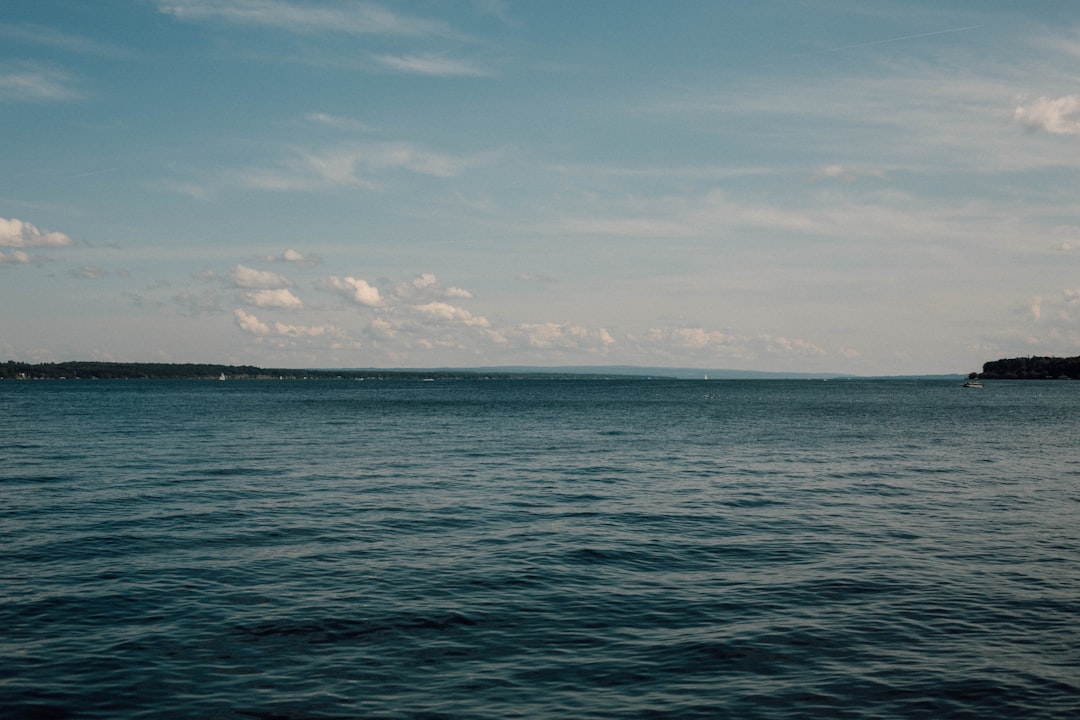
Seneca Lake is 38 miles long, 3.2 miles across at its widest, and 618 feet deep — the deepest lake in the eastern United States outside the Great Lakes. It holds more water by volume than all the other Finger Lakes combined. It never fully freezes.
Keuka Lake is 20 miles long, shaped like the letter Y, with two northern branches splitting at Bluff Point. The maximum depth is 186 feet. The total shoreline wraps 60 miles around the three arms. The Y-shape creates two distinct microclimates on the bluff — east-facing and west-facing — and gives the lake a geography that is unlike anything else in the region.
The practical difference: Seneca feels expansive. Standing on the shore at Geneva, the water stretches south for 35 miles and the opposite shore is over three miles away. Keuka feels enclosed. The branches are narrow, the hills are steep on both sides, and the opposite shore is always close. If you want open water and big-lake energy, Seneca delivers. If you want intimacy and a lake that wraps around you, Keuka is the one.
Wine: Scale vs. History
The Seneca Lake Wine Trail has more than 30 member wineries along a 45-mile loop, making it the largest wine trail in the Finger Lakes and one of the largest in the country. The east side of the lake (Route 414) holds the highest concentration of critically recognized producers — Hermann J. Wiemer, Ravines Wine Cellars, Boundary Breaks, Forge Cellars, and Red Newt Cellars are all within a 20-mile stretch. The sheer density means you can taste across a wide range of styles, grape varieties, and winemaking philosophies in a single afternoon. If you are visiting the Finger Lakes primarily for wine, Seneca gives you the most options per mile.
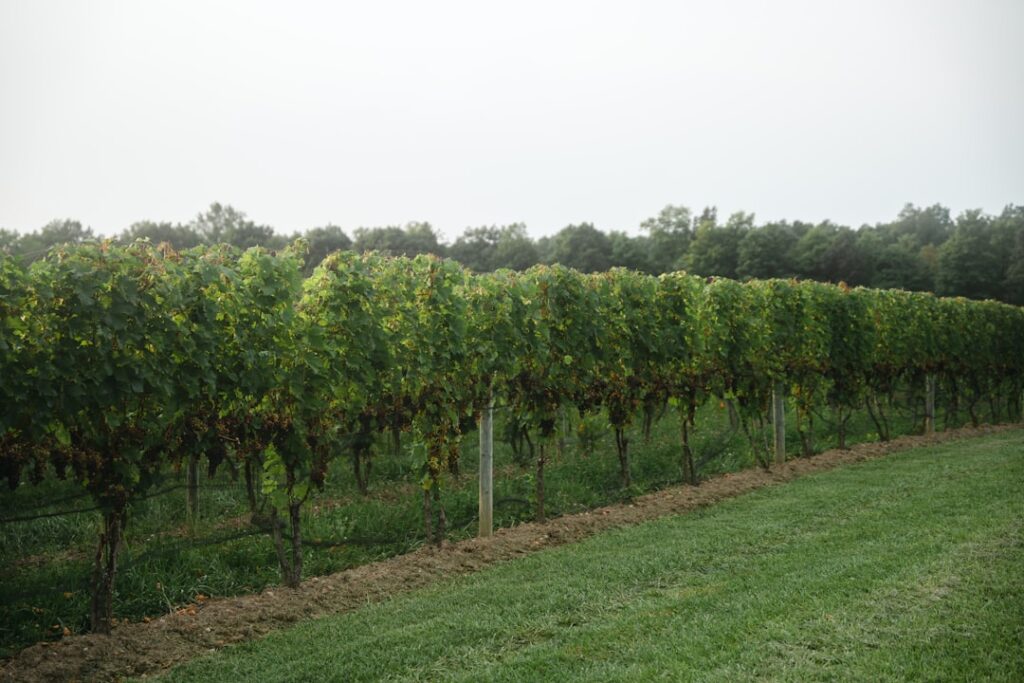
The Keuka Lake Wine Trail has about 12 member wineries and holds something Seneca cannot claim: the birthplace of the Finger Lakes wine industry. The Pleasant Valley Wine Company in Hammondsport became the first bonded winery in the United States in 1860. Dr. Konstantin Frank, whose hilltop estate above Keuka Lake proved European grapes could survive New York winters, fundamentally changed the trajectory of American wine. Tasting at Dr. Frank is not just a winery visit — it is a lesson in how the region became what it is. The Keuka trail is smaller, which means the tasting rooms are more personal, the staff often includes the winemaker, and the experience feels less commercial. Heron Hill, Keuka Spring, and Domaine LeSeurre (French-run, Burgundian in approach) round out a trail that is compact enough to cover in a full day.
The Towns
Geneva (population 13,000) anchors the north end of Seneca Lake and has the strongest restaurant scene in the Finger Lakes. FLX Table, a 24-seat tasting-menu restaurant run by a Master Sommelier, books out weeks ahead. Kindred Fare, Nong’s Thai Kitchen, and FLX Wienery fill out a walkable downtown where you can eat well for three days without repeating a cuisine. Watkins Glen at the south end draws over a million visitors annually to its state park gorge — 19 waterfalls in two miles of carved stone — and hosts NASCAR at Watkins Glen International in September.
Hammondsport (population 700) sits at the southern tip of Keuka Lake and operates on a different scale entirely. The village square faces the water, the main street is three blocks, and the dining options include the Village Tavern (reliable pub fare), The Park Inn (seasonal American), and a handful of seasonal spots. You are not choosing Hammondsport for the restaurant scene. You are choosing it for the quiet, the lakefront access, the wine history, and the Glenn H. Curtiss Museum (aviation pioneer, motorcycle speed record holder, Hammondsport native). Penn Yan, at the northeast branch, is a working agricultural town with Mennonite bakeries, buckwheat mills, and an honest, unhurried character.
Outdoor Activities
Seneca’s biggest outdoor draw is Watkins Glen State Park — 832 stone steps, 19 waterfalls, a walk behind a curtain of water at Cavern Cascade. It is the single most visited natural attraction in the Finger Lakes and earns its reputation. Beyond the gorge, Seneca Lake State Park in Geneva has a swimming beach and sprayground, and the Finger Lakes National Forest (the only national forest in New York) sits on the ridge between Seneca and Cayuga, accessible from the Seneca side.
Keuka offers a different kind of outdoor experience. Bluff Point State Park occupies the peninsula between Keuka’s two branches, and the 3.5-mile trail to the top provides a panoramic view with water visible on three sides — one of the best land-based vistas in the region. The Keuka Lake Outlet Trail, a flat 7.5-mile path along the old railroad bed from Penn Yan to Dresden, passes mill ruins, small waterfalls, and dense forest. It is one of the best easy walks in the Finger Lakes, suitable for all fitness levels. Keuka does not have Seneca’s gorge drama, but it has a gentler, more contemplative version of outdoor recreation.
Swimming on both lakes is pleasant by mid-July. Seneca’s depth keeps the deep water cold, but surface temperatures warm into the low 70s. Keuka, being shallower, warms slightly faster. Champlin Beach in Hammondsport and Keuka Lake State Park on the northwest branch provide public swimming access. On the Seneca side, Clute Memorial Park at Watkins Glen and Seneca Lake State Park in Geneva are the primary options.
Lodging
Seneca has more options. Geneva has the Watkins Glen Harbor Hotel (the only waterfront hotel on the south end), Belhurst Castle (a lakefront resort in Geneva), and a growing inventory of vacation rentals along both shores. The corridor supports multi-night stays with enough variety to keep the itinerary fresh.
Keuka is B&B and rental territory. The Park Inn and Black Sheep Inn in Hammondsport are the primary lodging in the village. Lakefront cabin and cottage rentals on both branches of Keuka are the most popular accommodation, and they book months ahead for summer. The lack of hotel infrastructure limits spontaneous visits — if you want to stay on Keuka in July, plan ahead. For a full breakdown of cabin options, see our cabins with hot tubs guide.
Vibe
Seneca Lake is the Finger Lakes at their most accessible and dynamic. The wine trail is busy on summer weekends, Geneva hums with restaurant energy, and Watkins Glen has the infrastructure (and the crowds) of a genuine tourist destination. It is polished, well-organized, and delivers a lot in a short visit.
Keuka Lake is the Finger Lakes at their most intimate and unhurried. The wine trail is small enough to cover without a plan. The towns are small enough that you recognize faces by day two. The lake’s Y-shape means you are always looking at water and hillside vineyards from close range. The pace is slower, the crowds are thinner, and the vibe is closer to what the entire region felt like 20 years ago.
How Far Apart Are They?
The two lakes are close. Geneva (north end of Seneca) to Hammondsport (south end of Keuka) is about 50 miles, roughly 50 minutes on Route 14 and Route 54. Watkins Glen (south end of Seneca) to Hammondsport is 35 minutes. You can easily visit wineries on both lakes in a single day, and a common itinerary is to base on one lake and day-trip to the other.
The Honest Verdict
Choose Seneca Lake if: Wine is your primary interest and you want the most options. You value a walkable town with serious restaurants (Geneva). You want to hike the Watkins Glen gorge. You are visiting for the first time and want the fullest possible Finger Lakes experience in a short trip. You prefer more lodging choices.
Choose Keuka Lake if: You want quiet over activity. Wine history matters to you — Dr. Frank and Pleasant Valley are pilgrimage sites. You prefer small, personal tasting rooms where you might pour with the winemaker. You are traveling with someone who values peace and scenery over a packed itinerary. You have been to Seneca before and want something different.
Choose both if: You have three or more days. The lakes are close enough to split time between them, and the experiences are different enough that doing so never feels repetitive. A strong approach: two nights in Geneva or Watkins Glen for wine and the gorge, one night in Hammondsport for Keuka’s history and quiet. Our Finger Lakes weekend itinerary builds this combination into a realistic two-day plan.