Why the Finger Lakes Wine Region Matters
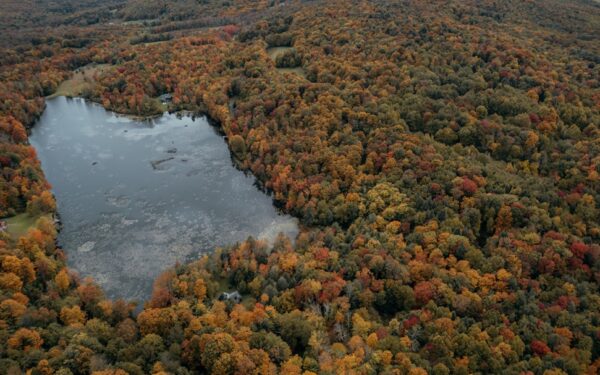
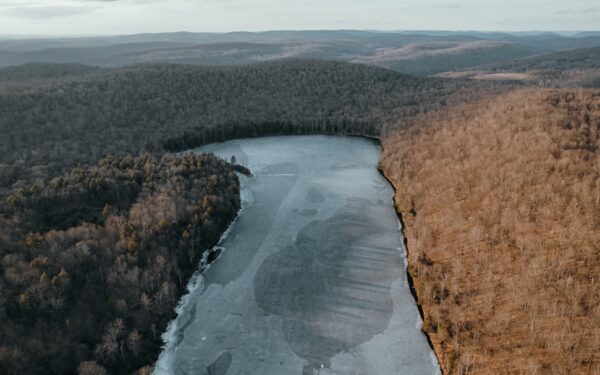
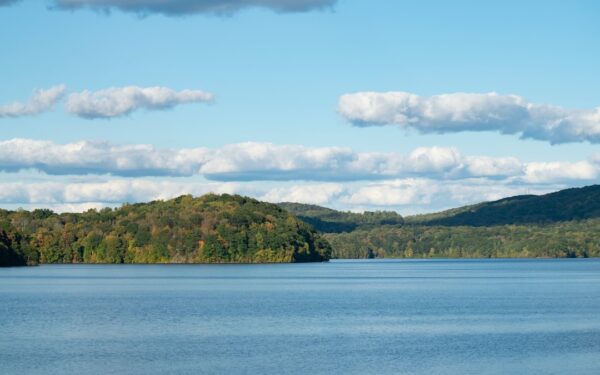
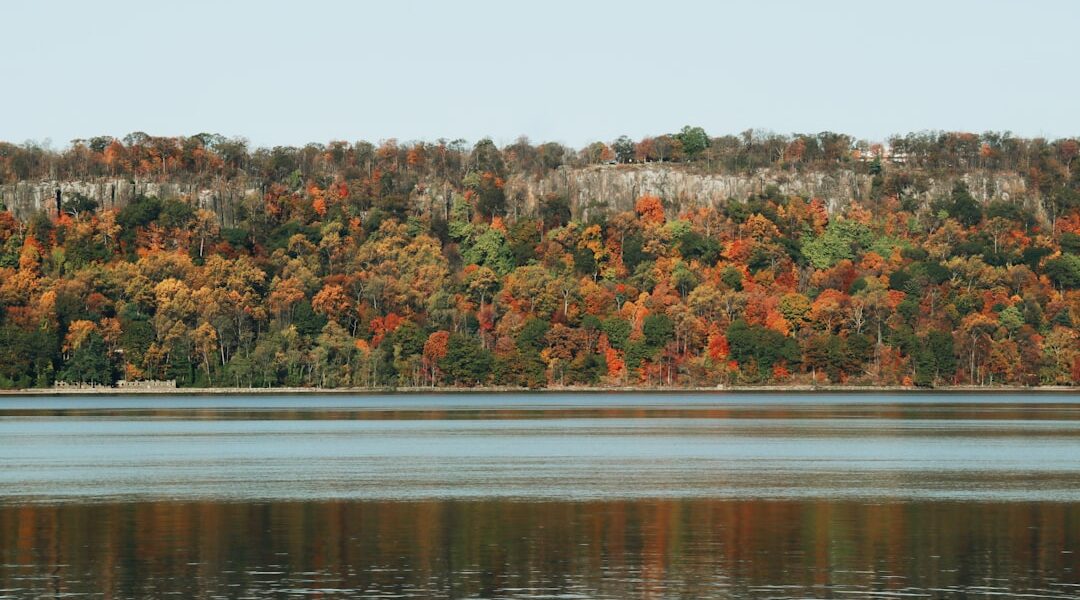
The Finger Lakes is the largest wine-producing region in New York State and one of the most important cool-climate wine regions in the world. More than 130 wineries line the shores of eleven glacially carved lakes, producing wines that routinely compete with — and beat — their European counterparts in international competitions. The deep lakes moderate temperatures year-round, creating microclimates that allow Vitis vinifera grapes like Riesling, Gewürztraminer, and Cabernet Franc to thrive at a latitude most viticulturists once considered too cold.
Four organized wine trails structure the region: the Seneca Lake Wine Trail (the largest, with 30+ member wineries), the Cayuga Lake Wine Trail (the oldest in the U.S., established in 1983), the Keuka Lake Wine Trail (the most intimate), and the Canandaigua Lake Wine Trail (the newest and smallest). Each trail has a distinct personality, and serious wine travelers plan trips around all four.
The Seneca Lake Wine Trail
Seneca Lake is the deepest of the Finger Lakes at 618 feet, and that depth acts as a thermal battery. The lake never fully freezes, keeping surrounding vineyards several degrees warmer in winter — a critical advantage for cold-sensitive grape varieties. The Seneca Lake Wine Trail runs along both the east and west shores, with the highest concentration of wineries in the Finger Lakes.
Dr. Konstantin Frank Vinifera Wine Cellars
No conversation about Finger Lakes wine starts anywhere else. In the 1950s, Ukrainian-born Dr. Konstantin Frank proved that European Vitis vinifera grapes could survive New York winters, overturning decades of conventional wisdom that said only native American and hybrid grapes could grow here. His Hammondsport estate, now run by the fourth generation of the Frank family, produces benchmark Rieslings — the Dry Riesling and Rkatsiteli are particularly notable. The tasting room sits on a hillside above Keuka Lake (though the winery is a Seneca Trail member), and a visit feels like stepping into wine history. Open year-round; flights start around $10.
Wiemer came from a German winemaking family in Bernkastel on the Mosel, and he spent decades building what many critics consider the finest Riesling program in North America. His protégé, Fred Merwarth, now runs the estate, continuing Wiemer’s legacy while pushing into natural winemaking techniques — native yeasts, minimal intervention, extended skin contact. Their single-vineyard Rieslings from the HJW and Magdalena vineyards are allocated and sell out quickly. The tasting room on Route 14 in Dundee is elegant and unhurried. Open daily; reservations recommended for groups.
Morten and Lisa Hallgren brought Old World rigor to the Finger Lakes. Morten trained in Bordeaux, and it shows — Ravines’ Dry Riesling is consistently one of the region’s best values (usually under $20), and their Cabernet Franc and Meritage blends demonstrate that the Finger Lakes can produce serious reds. Two tasting locations: the production facility on Seneca Lake in Geneva and a second room on Keuka Lake. The Geneva location has a clean, modern aesthetic. Open daily year-round.
Fox Run stands out for making wine accessible without dumbing it down. Their Taste Buds Flights pair small bites with wines — think Riesling with aged Gruyère, or Cabernet Franc with dark chocolate — which teaches palate mechanics better than any lecture. The café on-site serves seasonal plates that draw on the farm-to-table movement. Winemaker Peter Bell has been here since 1995 and produces a broad portfolio that includes exceptional Lemberger and a sparkling wine made in the traditional method. Open daily; Taste Buds Flights available during regular hours.
Wagner Vineyards Estate Winery
Wagner is one of the largest estate wineries in the Finger Lakes, farming over 250 acres on the east side of Seneca Lake. Three things set it apart: the Ginny Lee Café (one of the best lunch spots on any wine trail, serving burgers and salads with lake views), the library wine tastings (older vintages that show how well Finger Lakes wines age), and the on-site Wagner Valley Brewing Company, which gives non-wine-drinkers a reason to come along. Open daily March through December; reduced winter hours.
Bruce Murray planted his vineyard on a steep east-facing slope above Seneca Lake, and the site produces Rieslings with remarkable mineral intensity. Boundary Breaks focuses almost exclusively on single-vineyard Riesling in multiple styles — dry, off-dry, reserve, and ice wine — and the numbered series (No. 198, No. 239) refers to specific blocks in the vineyard. The tasting room is small and personal. Open Thursday through Monday, April through November; weekends only in winter.
The Greek Revival tasting room, designed to echo the historic architecture of the region, is one of the most photographed buildings on any wine trail. But Lamoreaux Landing is not just a pretty facade — winemaker Thomas Sayre produces lean, precise whites and increasingly impressive reds. The estate Rieslings, Chardonnay, and Cabernet Franc are consistently well-reviewed. The terrace overlooks Seneca Lake. Open daily year-round.
Red Newt Cellars and Bistro
Red Newt occupies a unique position: equal parts winery and destination restaurant. The Bistro (covered in our restaurant guide) serves one of the best meals on Seneca Lake, and the wines — particularly the Rieslings and Cabernet Franc from the Glacier Ridge and Sawmill Creek vineyards — are built to pair with food. Winemaker Kelby Russell focuses on single-vineyard expressions that showcase terroir differences across the lake. Tasting room and Bistro open year-round; Bistro reservations strongly recommended on weekends.
Glenora is a full-service destination: winery, inn, and restaurant in one complex on the west side of Seneca Lake. The chocolate and wine pairing is a perennial favorite (dark chocolate with Cabernet Franc is the standout combination). The Inn at Glenora has 30 rooms with lake views, making it a convenient base for multi-day wine touring. Glenora has been operating since 1977, making it one of the region’s pioneers. Open daily year-round; inn rates vary seasonally.
Ashley Lynn is the anti-snob winery, and FLX Finest readers have voted it Gold three years running. There are no tasting fees, no swirl-and-spit theatrics, and no sommeliers — just a family-run operation where the Hurlbuts have been farming apples since 1929 and making wine for over four decades. The list runs deep: 28-plus varieties spanning dry Rieslings and Cab Franc to sweet fruit wines and the wine slushies that won Best Wine Slushy at the NYS Fair. It is the kind of place where a group that cannot agree on anything will all find something they like.
Three Brothers is not a single winery — it is a campus. The Mansfield family’s estate south of Geneva houses three separate wine labels, War Horse Brewing Company, and a cidery, all spread across lakeside grounds that feel more like a rural entertainment complex than a traditional tasting room. Back-to-back FLX Finest Gold for Best Winery (2022–2023) confirms the formula works: if your group includes wine people, beer people, cider people, and someone who just wants brick-oven pizza on a lawn overlooking Seneca Lake, this is the one stop that keeps everyone happy.
The Cayuga Lake Wine Trail
Founded in 1983, the Cayuga Lake Wine Trail was the first organized wine trail in the United States. It runs along both shores of Cayuga Lake, from Ithaca in the south to Seneca Falls in the north. The wineries here tend to be smaller and more experimental than their Seneca counterparts.
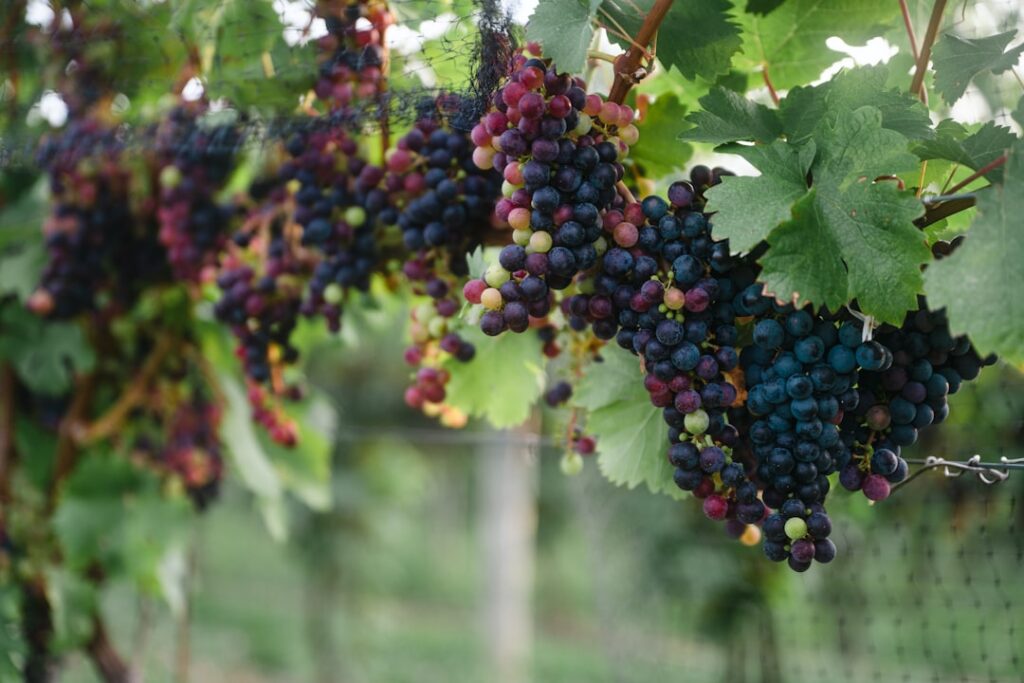
Buttonwood Grove sits on a 30-acre farm on the west side of Cayuga Lake, and the tasting room — built from reclaimed barn timber — has an unpretentious warmth that makes it a favorite of return visitors. The Rieslings are reliable, but the real draw is the Cabernet Franc rosé in summer and the dessert wines in fall. The outdoor area has Adirondack chairs overlooking the vineyard. Open daily, April through December; weekends in winter.
Located right on the water on Cayuga Lake’s west shore, Thirsty Owl has one of the best deck settings of any Finger Lakes winery. The portfolio runs broad — Riesling, Pinot Gris, Merlot — and the price points tend to be approachable. The bistro serves wood-fired pizzas on summer weekends. Open daily year-round.
The Hosmer family has been farming their land on the west shore of Cayuga Lake since 1972, and they began making wine in 1985. Hosmer produces more than 20 wines, but the dry and semi-dry Rieslings and the Cabernet Franc are the strongest. The tasting room is relaxed and unpressured — a good option for people who feel intimidated by more formal wine experiences. Open daily year-round.
The Keuka Lake Wine Trail
Keuka is the Y-shaped lake, and its wine trail is the most compact of the four — you can visit every winery in a single (long) day. The microclimate here is particularly good for Riesling and Vignoles, and the steep slopes create dramatic vineyard scenery.
The tasting room at Heron Hill sits at one of the highest points on Keuka Lake, and the panoramic views from the terrace sweep across the water and vineyards below. Architecturally, the building is striking — timber frame and glass, designed to frame the landscape. The wines are solid across the board, with the Ingle Vineyard Riesling and the Eclipse series (Bordeaux-style reds) among the best. A second tasting room operates on Canandaigua Lake at Bristol. Open daily May through November; weekends in winter.
A smaller, family-run operation on the east side of Keuka Lake. Keuka Spring wins a disproportionate number of Governor’s Cup awards (New York State’s top wine competition) relative to its size. The Vignoles, Riesling, and Cabernet Franc are all worth tasting. The tasting room is casual — no appointments needed, no pretension. Open daily, March through December.
The Canandaigua Lake Wine Trail
The newest of the four trails, Canandaigua is still building its identity. The wineries here tend to be younger and more experimental, and the trail benefits from its proximity to the town of Canandaigua, which has a strong restaurant and retail scene.
Heron Hill at Bristol
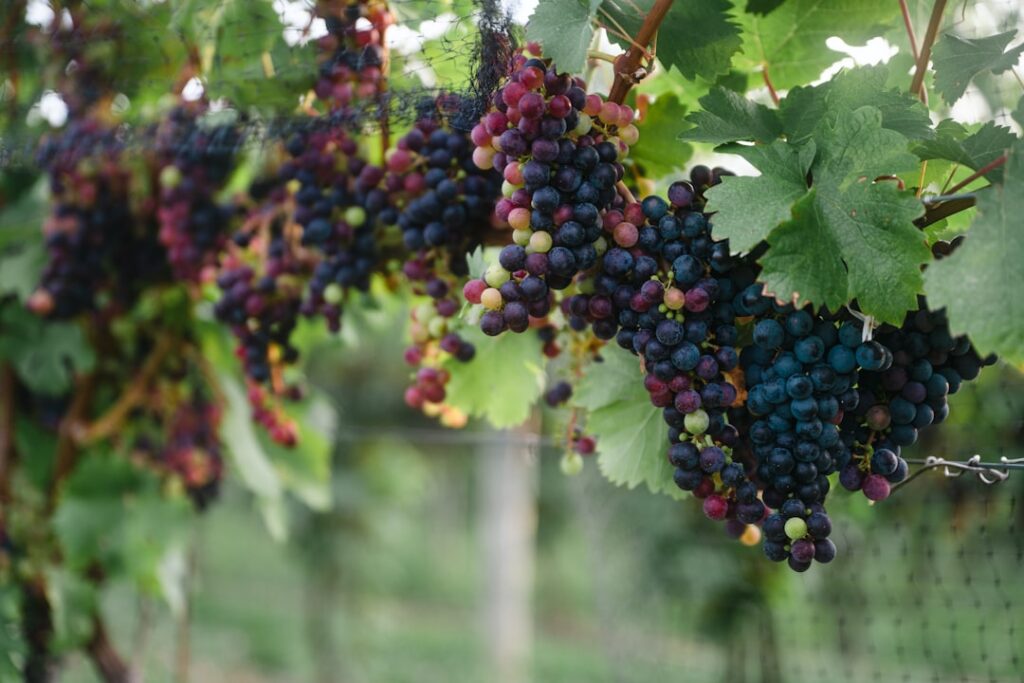
This satellite tasting room of Heron Hill sits in a renovated building in Bristol, just south of Canandaigua. It offers the same wine portfolio as the Keuka Lake location but with a different atmosphere — more intimate, less panoramic. The location is convenient for visitors exploring the west side of Canandaigua Lake. Open daily May through November.
Arbor Hill leans into the broader grape experience: wine, grape-based sauces, dressings, and condiments made from local varieties. The wine list includes traditional dry wines, but the specialty wines — cranberry, spiced wine, sherry — attract a different crowd than the serious-oenophile wineries. The on-site shop sells wine-infused foods that make good gifts. Open daily year-round.
Planning Your Wine Trail Visit
- Best season: Late September through mid-October combines harvest activity, fall foliage, and comfortable temperatures. Summer weekends are crowded; weekdays in any season offer more personal attention.
- Tasting fees: Most wineries charge $5-$15 per tasting, often waived with a bottle purchase. Reserve and library tastings cost more.
- Designated drivers: Several companies run wine trail tours and shuttles. Finger Lakes Wine Country Tourism maintains a list. If you are driving, pace yourself — the standard pour at most wineries is small, but six stops add up.
- Food: Pack a picnic or plan lunch at Fox Run, Wagner, or Red Newt. Many wineries allow outside food on their grounds.
- Trail events: Each wine trail runs seasonal events — Deck the Halls (holiday), Pasta and Wine, Chocolate and Wine — that include admission to multiple wineries with themed pairings. Tickets sell out weeks ahead.