The Wild One
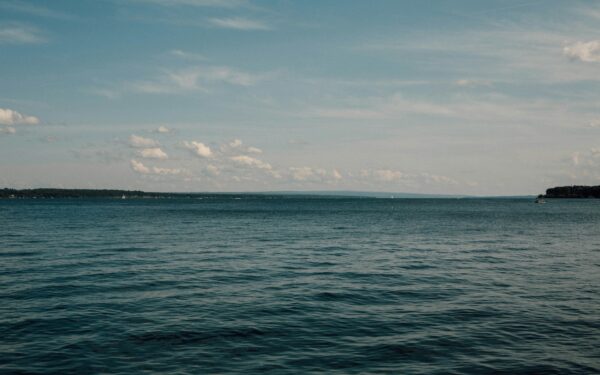
Canadice Lake is the smallest of the eleven Finger Lakes. It covers 649 acres, stretches 3 miles from end to end, and reaches about 95 feet at its deepest point. Those numbers put it well below the other Finger Lakes in every measurement — and that’s precisely the point. Canadice is the lake that stayed wild.
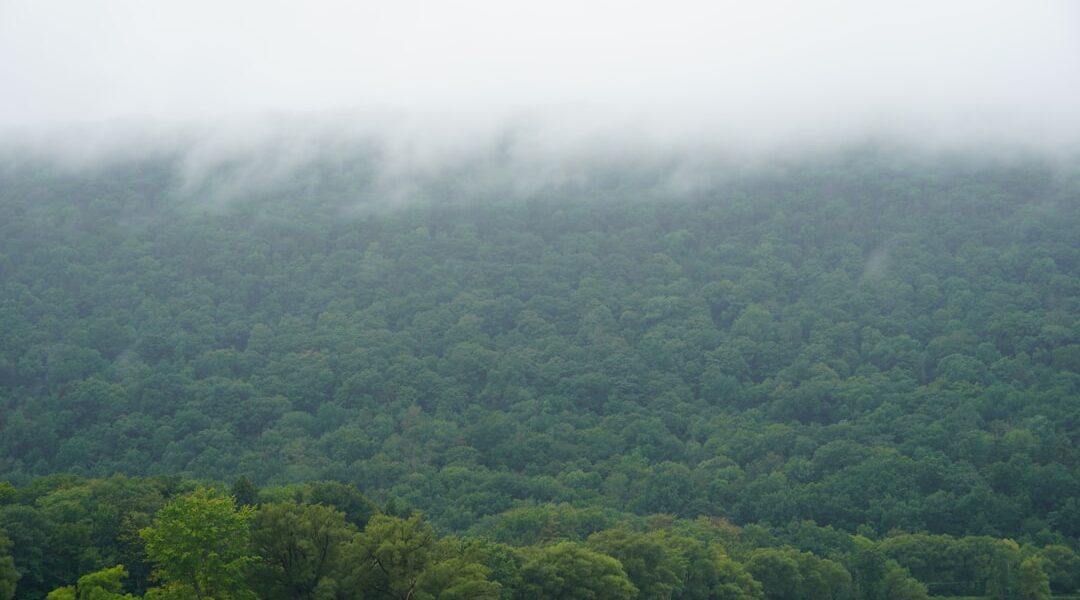
Like neighboring Hemlock Lake, Canadice serves as part of Rochester’s municipal water supply, and the same restrictions that preserve Hemlock apply here. No motorized boats. No swimming. No lakeside development. No camping along the shore. But where Hemlock is 7 miles long and feels like a substantial body of water, Canadice is compact enough that you can see the entire lake from end to end. The forest comes right to the water’s edge on both sides, and the narrow valley walls create a sense of enclosure that the larger lakes can’t replicate.
If you’ve paddled Seneca or Cayuga and felt dwarfed by the scale, Canadice is the antidote. It’s intimate, quiet, and feels genuinely remote — even though Rochester is 30 miles north.
Paddling Canadice
The primary activity on Canadice Lake is paddling, and it’s one of the best flatwater paddles in the western Finger Lakes. A carry-in launch at the north end of the lake provides access for canoes, kayaks, and rowboats. From the launch, you can paddle the full length of the lake and back in about two hours at a relaxed pace.
The experience is defined by what’s absent. No motor noise. No houses. No docks. The shoreline is dense deciduous and coniferous forest, with the occasional rocky outcrop and a few marshy inlets. On a weekday morning, you may have the entire lake to yourself. Even on a weekend in peak summer, you’ll rarely see more than a handful of other boats.
The south end of the lake, where a small inlet feeds in from Canadice Creek, is the most sheltered and scenic section. Herons hunt in the shallows, and in early morning the mist lifts off the water in a way that feels almost ceremonial.
Fishing
Fishing is permitted from non-motorized boats and from designated shoreline spots. Canadice holds lake trout, brown trout, smallmouth bass, and panfish. The trout fishing can be good — the cold, clean water provides ideal habitat — though the fish tend to run smaller than in the larger, deeper lakes. This is catch-oriented fishing, not trophy hunting.
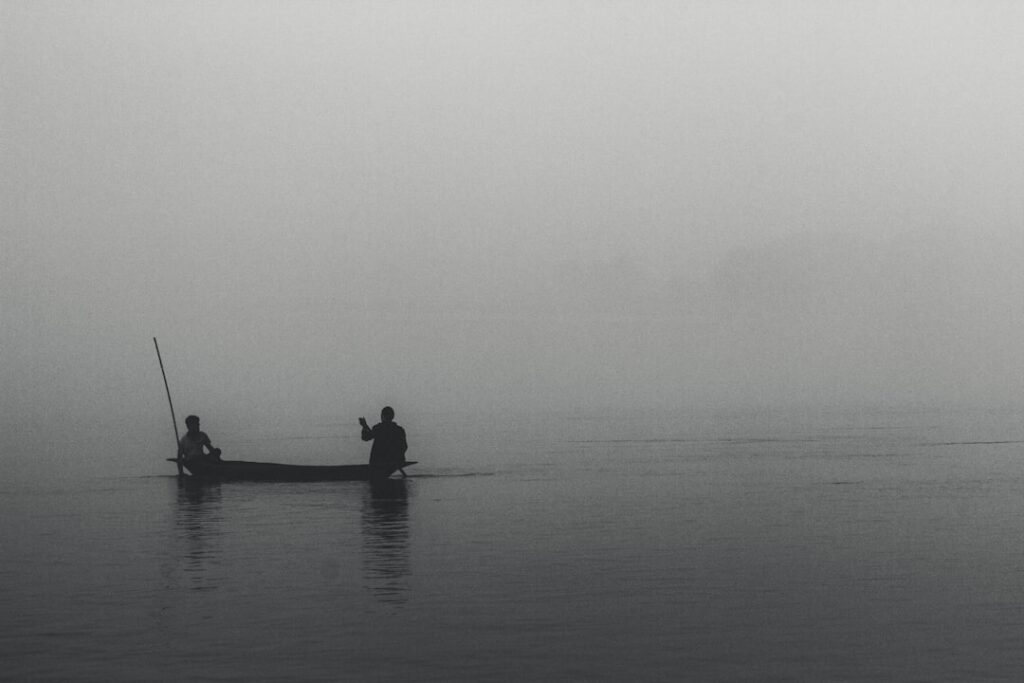
Because there are no motorized boats to troll behind, trout fishing on Canadice means casting or jigging from a canoe or kayak. It’s a different pace, and one that rewards patience. The drop-offs along the east shore are productive for lake trout in spring and fall.
Hiking and the State Forest
The Hemlock-Canadice State Forest surrounds the lake on all sides and extends east to connect with the forest around Hemlock Lake. The trail network is informal — mostly forest roads and hunter paths — but the terrain is rewarding. The ridgeline east of the lake rises roughly 500 feet above the water and offers filtered views through the canopy in winter and early spring before leaf-out.
Canadice Lake Road runs along the west side of the lake and is closed to vehicle traffic, functioning as a walking and biking path. The road is about 3 miles long, flat, and follows the shoreline through forest. It’s one of the quieter walks in the Finger Lakes — expect to see deer, wild turkey, and possibly a porcupine before you see another person on a weekday.
In winter, the road and surrounding forest roads are suitable for cross-country skiing and snowshoeing when snow cover is adequate. The terrain is gentle enough for beginners.
Wildlife
The undeveloped character of Canadice and its surrounding forest makes it one of the better wildlife viewing areas in the Finger Lakes. Loons have been documented on the lake — a notable presence this far south in New York. Bald eagles are seen with increasing regularity. Great blue herons, osprey, wood ducks, and hooded mergansers frequent the lake and its inlets. On land, white-tailed deer, coyote, red fox, wild turkey, ruffed grouse, and black bear are all present in the state forest.
Birders will find the south end of the lake and the surrounding wetlands particularly productive during spring migration (late April through May) and fall migration (September through October).
Rules and Restrictions
- No motorized boats
- No swimming
- No camping along the shoreline
- No dogs in the water
- Boats must be clean and free of invasive species
- Carry in, carry out — there are no trash receptacles
These rules are actively enforced by watershed inspectors. The access area has a portable restroom but no other facilities. Bring everything you need and take everything out.
Access and Logistics
Getting There
- North End Launch — The only public access point is at the north end of the lake, off Canadice Lake Road (accessed from Purcell Hill Road). There is a small parking area and a carry-in launch. No boat ramp — you carry to the water.
- The west side road (Canadice Lake Road) extends south from the launch area. Walk or bike; it’s closed to vehicles.
Distances
- Rochester: 30 miles (about 40 minutes)
- Canandaigua: 18 miles (about 25 minutes)
- Hemlock Lake: 3 miles (about 5 minutes between north-end access points)
- Honeoye Lake: 8 miles (about 12 minutes)
When to Go
Canadice is accessible year-round, weather permitting. Late spring (May and June) brings wildflowers, active birdlife, and good trout fishing. Summer mornings offer the best paddling conditions — arrive before 8 AM for the calmest water and the best chance at solitude. Fall color peaks in mid-October and is spectacular from the water, with the forest reflecting off the undisturbed surface. Winter is beautiful but cold, with the possibility of ice fishing when conditions permit (always check ice thickness carefully on a lake this deep).
Canadice rewards those who come with low expectations and an appreciation for simplicity. It’s not the most dramatic lake. It’s not the biggest, the deepest, or the most famous. But paddle to the south end on a still morning in September, with the forest reflected perfectly in the water and no sound but your own paddle, and you’ll understand why some people consider it the best Finger Lake of all.