The Town on the Ridge
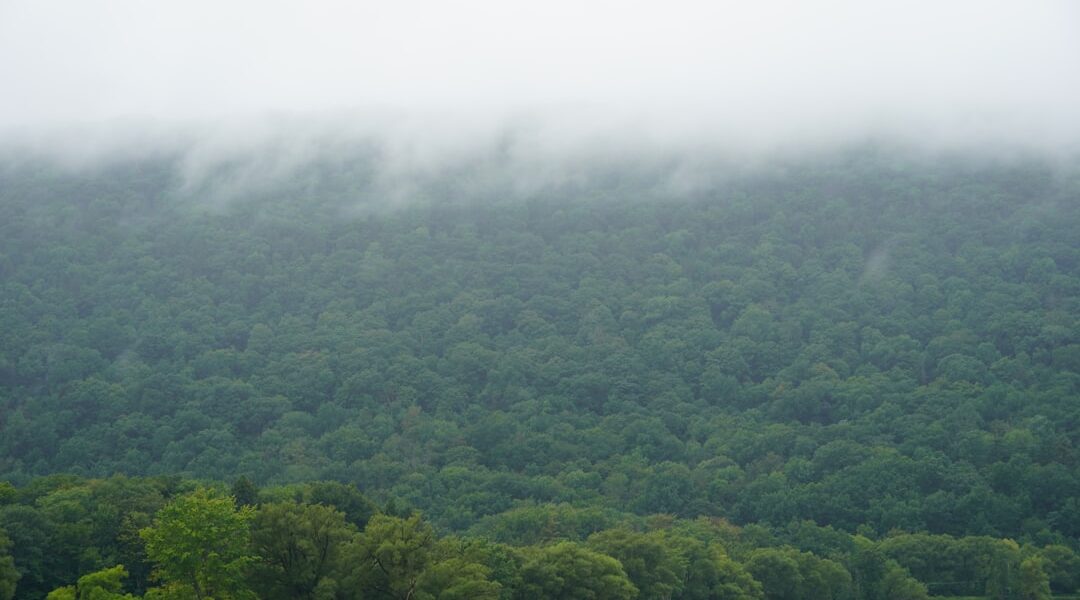
Dundee does not call attention to itself. With a population of about 1,700 in the village, it occupies the high ground between Seneca Lake to the east and Keuka Lake to the west, surrounded by working farms, vineyards, and the kind of rolling agricultural landscape that defined the Finger Lakes long before wine trails and tourism arrived. This is not a destination town in the conventional sense. There is no waterfront, no gorge, no museum of national significance. What Dundee offers is position — geographic and strategic — and a slower rhythm that some visitors find more honest than the busier Finger Lakes stops.
Starkey’s Lookout and the View
Starkey’s Lookout, located on Route 14 a few miles north of Dundee on the eastern slope above Seneca Lake, provides one of the most commanding views in the entire Finger Lakes region. From an elevation of roughly 1,000 feet, you look down the full length of Seneca Lake — 38 miles of water stretching north toward Geneva, with vineyards cascading down the hillside in the foreground and the opposite shore visible as a dark ridge miles away. On a clear day, the view reaches to the lake’s northern end. At sunset, when the water catches the light, it is genuinely arresting.
The lookout is an informal pull-off — a gravel area with room for a few cars — and there is no signage beyond a small marker. This is not a state park overlook with guardrails and interpretive panels. It is just a spot on the road where the geography happens to be extraordinary. Many people drive past it without stopping.
Wine Trail Access
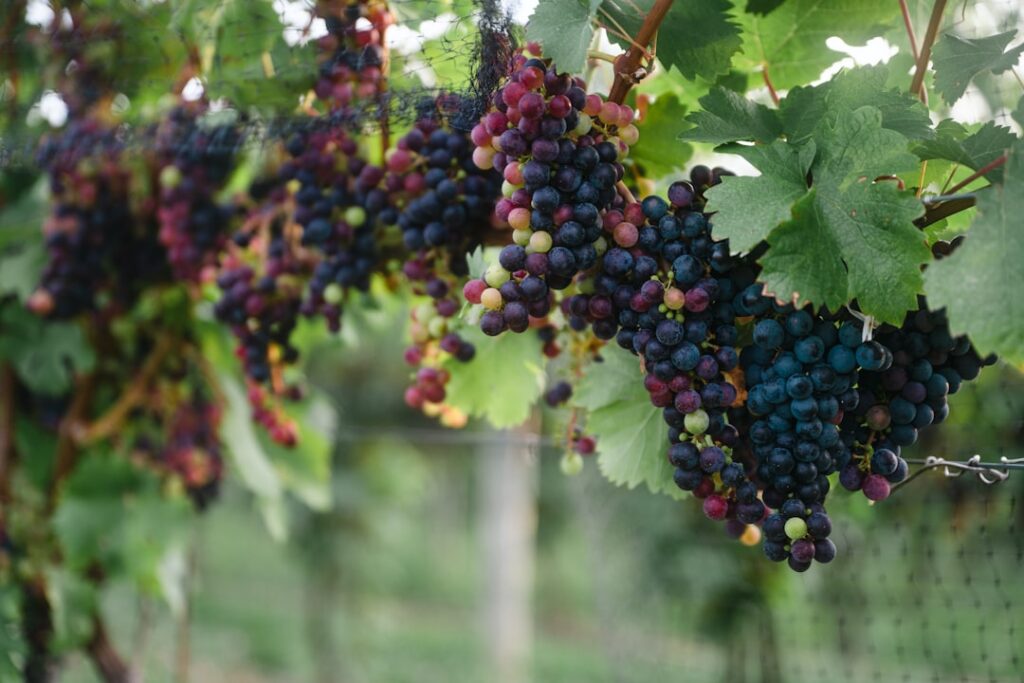
Dundee’s location between two lakes places it within easy reach of two major wine trails. The Seneca Lake Wine Trail — the largest in the Finger Lakes with over 30 member wineries — runs along both shores of Seneca Lake, with the nearest tasting rooms about five to ten minutes east of town on Route 14. The Hector Wine Trail, a subset of Seneca Lake wineries concentrated on the eastern shore between Watkins Glen and Lodi, is directly accessible from Dundee.
Nearby Wineries
- Hermann J. Wiemer Vineyard: One of the most respected wineries in the Finger Lakes, located on Route 14 north of Dundee. Founded in 1979 by a German-born winemaker, Wiemer is known for precise, age-worthy Rieslings. The tasting room is elegant and low-key.
- Ravines Wine Cellars: Run by Morten Hallgren, a Danish winemaker trained in Bordeaux. The Dry Riesling and Cabernet Franc are consistently among the region’s best. Located on Route 14.
- Lamoreaux Landing Wine Cellars: A Greek Revival tasting room overlooking Seneca Lake, producing a range from Riesling to Cabernet Franc. The architecture alone is worth the stop.
- Red Newt Cellars and Bistro: Combines a winery with a full-service restaurant — one of the few in the Finger Lakes where you can pair a complete dinner with wines made on-site. Located on Route 414 on the east side of Seneca Lake.
Farm Country
The land around Dundee is actively farmed — dairy, field crops, orchards, and increasingly, vineyards. Driving the back roads between Dundee and the lake shores, you pass through a landscape of barns, silos, open fields, and the occasional farm stand. Yates County (Dundee is near the Yates-Schuyler county line) has some of the highest concentration of Amish and Mennonite families in New York State, and their presence is visible in the horse-drawn buggies on the roads and the hand-lettered signs offering quilts, eggs, and baked goods.
For visitors accustomed to the Finger Lakes as a wine-and-waterfall destination, the agricultural landscape around Dundee provides a different kind of experience — one that connects to the region’s deeper economic reality. Farming came before tourism here, and in many ways, it still comes first.
The Village
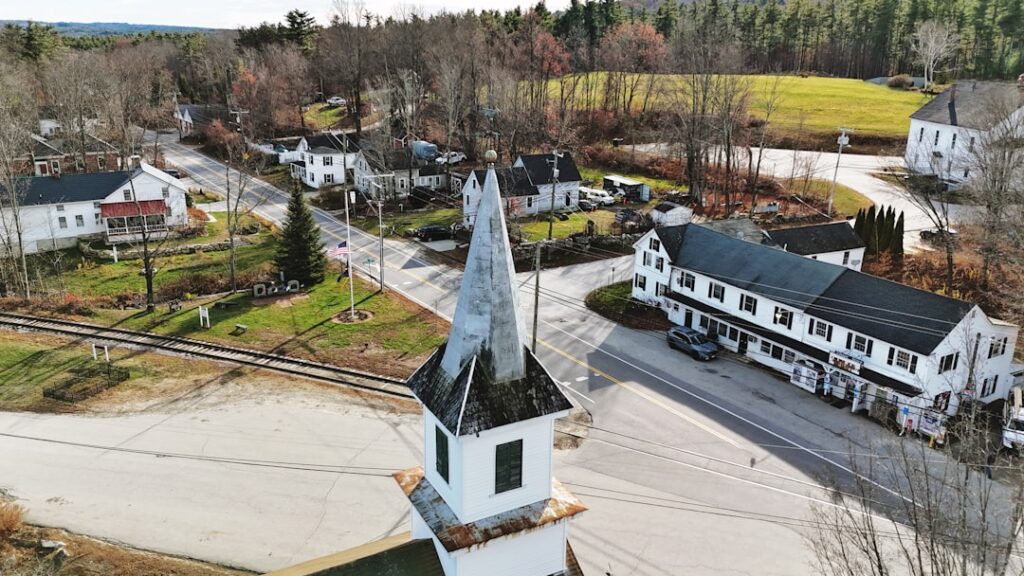
Dundee’s village center is small — a cluster of buildings along Main Street (Route 14A) with a handful of businesses. The Starkey Diner is the local breakfast and lunch spot, a straightforward place with counter service and a menu heavy on eggs, bacon, and sandwiches. A few antique shops and small businesses round out the commercial district. The village is functional rather than picturesque, but it is genuine, and the absence of tourist infrastructure is itself a kind of appeal.
What to Do
- Starkey’s Lookout: On Route 14 north of Dundee. Free. No facilities. Best at sunset.
- Wine touring: Use Dundee as a base to access both the Seneca Lake Wine Trail and the Keuka Lake Wine Trail. A full day of tasting is easily planned from here.
- Seneca Lake east shore drive: Take Route 414 south from Lodi to Watkins Glen for a scenic drive passing through vineyard country with lake views.
- Keuka Lake access: The western branch of Keuka Lake is about 10 miles west of Dundee via Route 230. Several public access points for swimming and fishing.
- Farm stand visits: Seasonal farm stands along the county roads south and west of Dundee sell produce, eggs, baked goods, and preserves. Cash is often preferred.
Practical Details
Dundee is located at the junction of Routes 14A and 230, approximately 20 miles north of Watkins Glen and 25 miles south of Geneva. Parking is free throughout the village. Lodging options in Dundee itself are limited — a few motels and vacation rentals — but the town’s central position makes it a practical base for day trips to both Seneca and Keuka Lake attractions. Geneva, Penn Yan, and Watkins Glen are all within a 30-minute drive.
Cell service can be spotty on the back roads between Dundee and the lakes. Download maps and winery information before you leave town.
Locals Know
Starkey’s Lookout on a summer evening is beautiful, but locals prefer it in October, when the vineyards and hillsides below turn shades of orange and gold and the lake takes on a steely blue tone that looks different from any other season. Bring a blanket and a bottle from one of the Route 14 wineries — the combination of the view and a good Finger Lakes Riesling at sunset is one of the best free experiences in the region. And if you are driving the back roads, watch for the buggies — they move slowly, they are hard to see at dusk, and giving them wide berth is both a safety issue and a courtesy.