The Elevator Pitch (and Its Limits)
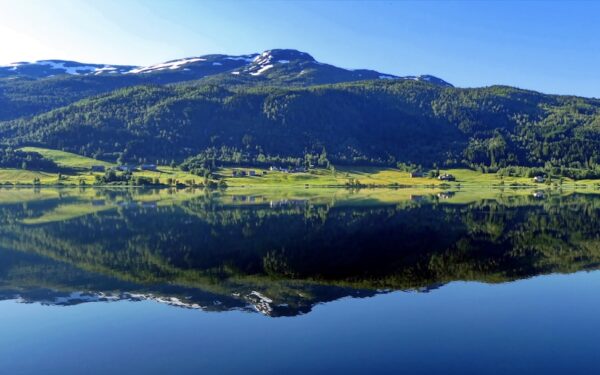
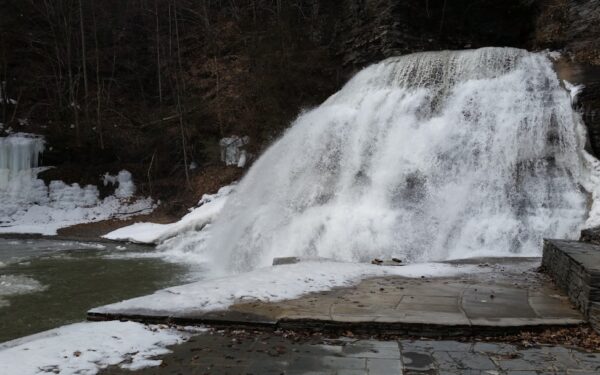
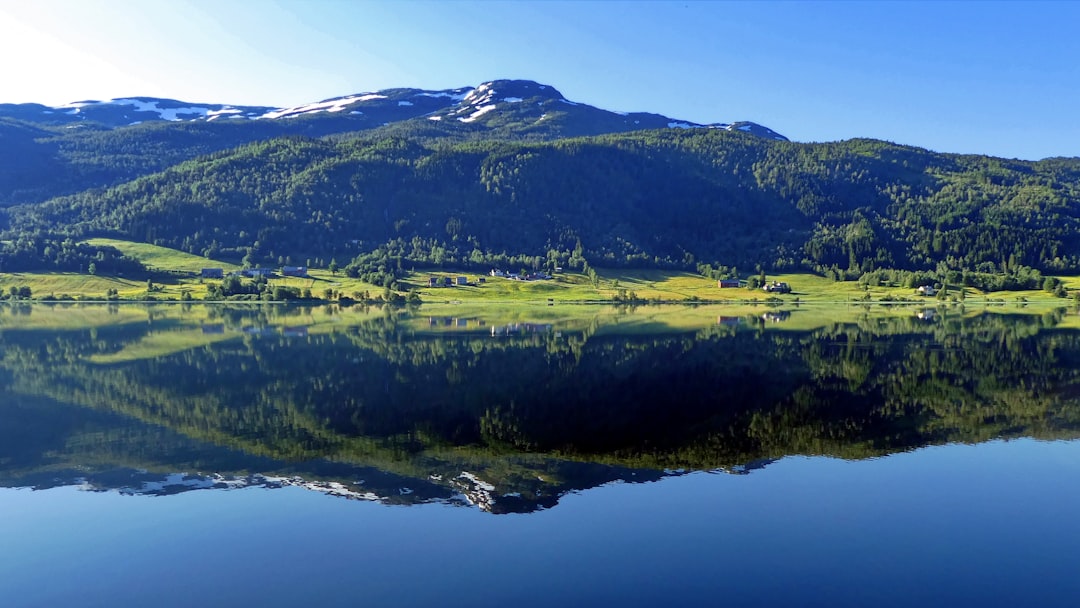
The Finger Lakes sell themselves on scenery: 11 glacial lakes, gorges, waterfalls, and vineyards draped over rolling hills. The tourism pitch works because it is true — this is one of the most physically beautiful regions in the eastern United States. But living somewhere and visiting are different experiences. The scenery does not change on the day you move in, but your relationship to it does. You stop seeing the lake view from your commute the same way you did from a vacation rental deck. What matters instead is whether your kid’s school is functional, whether you can find a dentist taking new patients, and whether the February gray will break you.
This guide is for people seriously considering a move to the Finger Lakes. It covers the things the Chamber of Commerce brochures omit, alongside the things that genuinely make this region worth building a life in. Both sides are honest.
Cost of Living: The Numbers
Housing
The Finger Lakes remain significantly more affordable than the major metro areas that most transplants arrive from. The median home price across the region varies widely by town: Ithaca and Tompkins County are the most expensive, with median home prices around $300,000 to $350,000, driven by Cornell University’s employment base and a tight housing supply. Geneva runs $180,000 to $250,000. Canandaigua has climbed to $250,000 to $320,000 as Rochester exurbs push south. Watkins Glen, Penn Yan, and Hammondsport range from $150,000 to $230,000. Towns farther from the lakes — Bath, Dundee, Montour Falls — offer homes under $150,000, though the building stock tends to be older and may need significant work.
If you are coming from New York City, the numbers look impossibly cheap. If you are coming from Syracuse or Rochester, the savings are more modest, and lakefront or lake-view properties command premiums that can double or triple the median for their town. A three-bedroom house with a Seneca Lake view in Hector runs $350,000 to $500,000 or more. A similar house a mile inland, without the view, might be $180,000.
Rental inventory is tight throughout the region, particularly in Ithaca, where the student population absorbs much of the available housing. Expect to pay $1,200 to $1,800 per month for a two-bedroom apartment in Ithaca, $900 to $1,400 in Geneva, and $800 to $1,200 in smaller towns. The rental market is seasonal — listings increase in May and June when students leave and tighten in August when they return.
Taxes
This is where the cost-of-living picture gets complicated. New York State has high income taxes (4 to 10.9 percent, graduated by income) and the Finger Lakes counties have property tax rates that are among the highest in the nation. Effective property tax rates in Seneca County and Schuyler County run 2.5 to 3.5 percent of assessed value. Ontario County (Canandaigua, Geneva) is slightly lower at 2 to 2.8 percent. Tompkins County (Ithaca) is around 2.5 percent. On a $250,000 home, you might pay $6,000 to $8,000 per year in property taxes — and that is before any school district supplemental taxes.
The STAR program (School Tax Relief) provides some property tax relief for primary residences, and the Enhanced STAR for seniors reduces the burden further. But the tax load is a genuine shock for transplants from lower-tax states. Factor it into your housing budget from day one.
Groceries and Utilities
Groceries are roughly on par with the national average, with the benefit of excellent local produce at farmers markets from May through November. The Ithaca Farmers Market, Geneva Farmers Market, and Watkins Glen Farmers Market all offer seasonal fruits, vegetables, meats, and dairy at prices competitive with supermarkets. Heating costs are the line item that surprises newcomers: natural gas is not available in many rural areas, meaning propane or fuel oil is the heating source. A 2,000-square-foot house heated with propane can cost $3,000 to $5,000 per winter, depending on the home’s insulation and the severity of the season. Budget accordingly.
The Job Market: What Exists and What Does Not
The Finger Lakes economy runs on five pillars: higher education (Cornell, Ithaca College, Hobart and William Smith Colleges, Keuka College, SUNY Corning), healthcare (Cayuga Health System in Ithaca, Geneva General Hospital, F.F. Thompson in Canandaigua), agriculture and wine (farming, vineyards, tasting rooms, food production), manufacturing (Corning Incorporated is the regional giant, with the Corning glass and ceramics operations still employing thousands), and tourism (seasonal hospitality, restaurants, recreation).

If your career fits one of those sectors, you can find work. If it does not, the options narrow quickly. Remote work has changed the equation for many transplants — the pandemic-era wave of new arrivals included a significant number of people working remotely for employers in New York City, Boston, and other metro areas, using the Finger Lakes’ lower cost of living as arbitrage against a metro salary. That model works as long as internet access is reliable, which brings us to a real limitation: broadband coverage in the rural areas between towns is inconsistent. Starlink and other satellite services have improved the situation, but confirm internet speeds before buying a rural property if your livelihood depends on video calls and cloud access.
Entrepreneurship has a foothold here, particularly in the food, beverage, and hospitality sectors. The region supports new wineries, cideries, farm-to-table restaurants, and agritourism ventures at a rate that surprises people — but the customer base is seasonal and population-limited. A business that serves tourists needs to survive January through April on local patronage alone, which is a thin margin in towns of 3,000 to 10,000 people.
Winter: The Big One
No topic matters more to the long-term success of a Finger Lakes relocation than your relationship with winter. The region gets cold in November and stays cold through March, sometimes into April. Average January temperatures range from highs around 30 to 33 degrees Fahrenheit to lows of 14 to 18 degrees. Annual snowfall varies by location: the areas south and east of the lakes (the lake-effect snow belt) receive 70 to 100 inches per year. Towns on the western side of the region, closer to the Genesee Valley, average 50 to 70 inches. Ithaca, in its valley, averages about 65 inches.
But the numbers do not capture the real challenge, which is duration and gray. The Finger Lakes sit in one of the cloudiest corridors in the United States, rivaling Seattle and Cleveland for days of overcast sky. From November through March, extended stretches of gray — 10 to 14 consecutive days without direct sun — are normal. Lake-effect clouds settle into the valleys and sit. The combination of cold, gray, and short daylight (sunrise after 7:30 a.m. and sunset before 5 p.m. in December) is the single biggest reason people leave within their first three years.
The people who thrive here through winter share certain habits: they ski (Bristol Mountain is a 40-minute drive from most of the region), snowshoe, ice fish, or find other reasons to go outside in the cold. They invest in full-spectrum light therapy lamps. They cook and entertain at home. They do not expect winter to be a brief inconvenience — they accept it as nearly half the year and build a life that accommodates it.
Healthcare: The Honest Picture
Healthcare access is adequate in the larger towns and limited in the rural areas between them. Cayuga Health System in Ithaca operates Cayuga Medical Center with a full emergency department, and Guthrie Corning Hospital serves the southern Finger Lakes. Geneva General Hospital and F.F. Thompson Hospital in Canandaigua provide community-level care. For specialized medicine — oncology, cardiology, neurosurgery, complex orthopedics — you will likely drive to Rochester (Strong Memorial Hospital, Rochester General) or Syracuse (Upstate University Hospital), both 60 to 90 minutes from the central Finger Lakes.
Primary care has a shortage. Finding a family doctor or internist accepting new patients can take weeks or months, depending on the town. Pediatricians are particularly scarce outside Ithaca and Canandaigua. Dental and mental health providers have similar supply constraints. If you are moving with a family, start calling providers before you arrive — do not wait until you have unpacked.
Schools: A Mixed Picture
School quality varies significantly across the region, and the variation tracks closely with property tax base and community wealth. Ithaca City School District is the highest-performing large district in the region, benefiting from Cornell’s faculty families and a relatively strong tax base. Canandaigua City Schools and Geneva City School District are solid mid-range districts. Many smaller rural districts — Watkins Glen, Dundee, Odessa-Montour — are small enough that a single graduating class might have 40 to 60 students, which limits course offerings and extracurricular depth but can provide a more personal educational experience.
Private school options are limited. The region does not have the density of independent schools that metro areas offer. Families seeking alternatives to public schools typically look at small religious-affiliated schools or consider homeschooling cooperatives, which have a surprisingly active presence in the region. For college-prep academics, the strongest public options are in Ithaca and Canandaigua.
What Surprises People After the Move
The Driving
Everything is farther apart than it looks on a map. A 20-mile drive that takes 20 minutes on a map takes 35 minutes on two-lane roads behind a tractor in June or through lake-effect snow in January. The nearest Target, Costco, or major shopping center may be a 40-minute drive. The nearest international airport (Rochester or Syracuse) is 60 to 90 minutes. If you are used to urban convenience — popping out for takeout, running to the store — the adjustment period is real. Most locals plan errands in batches: the weekly trip to a larger town for groceries, hardware, and whatever else the small-town general store does not carry.
The Social Scene
Making friends takes longer than expected, particularly for adults without children in school. The Finger Lakes communities are welcoming but not instantly social in the way that dense urban neighborhoods can be. The wineries and breweries function as gathering places. Volunteer fire departments, church communities, and local organizations (Rotary, library boards, trail maintenance crews) are the traditional paths into the social fabric. If you wait for the community to come to you, you will wait a long time. The people who integrate fastest are the ones who show up — at the farmers market, at the town board meeting, at the Saturday morning trail cleanup.
The Beauty Does Not Get Old
This is the counterbalance to every limitation listed above. People who have lived here for decades still pull over to watch the sunset over Seneca Lake. The first morning fog lifting off Keuka Lake in September still stops you. The gorge trails in June, with the water running high and the green at full density, remain extraordinary no matter how many times you walk them. The landscape is not a novelty that wears off — it is a daily companion that shifts with the seasons and earns its place in your life if you let it.
The Internet Situation
Broadband access in the Finger Lakes is a genuine infrastructure gap. The towns themselves — Geneva, Ithaca, Canandaigua, Watkins Glen — have cable and fiber options from Spectrum, Greenlight Networks (in some areas), or local providers that deliver adequate speeds for remote work. Move five miles outside town, and the picture changes. Many rural properties rely on DSL, fixed wireless, or satellite internet. Starlink has improved options for rural homes since its rollout, with speeds of 50 to 200 Mbps reported by users in the region, though latency remains higher than cable. If your income depends on reliable internet — video conferencing, cloud-based work, large file transfers — test the connection at any rural property before committing to a purchase. Ask neighbors, not just the listing agent, about their actual experience.
The Food Gets Better Every Year
The Finger Lakes food scene is in a genuine growth phase. New restaurants open each season, farm-to-table sourcing is standard rather than aspirational, and the wine industry creates a built-in audience for quality food. The farmers markets are not decorative — they are where people actually buy groceries from May through November. The combination of agricultural abundance and a food-literate population (thank the universities) means you eat well here in ways that surprise transplants from larger cities.
The Community Investment
Small towns in the Finger Lakes run on volunteers. The fire department, the library fundraiser, the town festival, the youth soccer league — these things happen because people show up and do them. If you move here from a city where institutions run on professional staff and tax revenue, the level of personal civic engagement required to keep a small community functioning is an adjustment. It is also, for many transplants, the thing that makes the move feel like home. When you are on a first-name basis with the town supervisor, the librarian, and the volunteer EMT who lives up the road, you are part of a place in a way that most cities do not offer.
Should You Do It?
The Finger Lakes are a good place to live if you have realistic expectations. The scenery is genuine, the cost of living is lower than metro New York (though higher than you might assume once taxes are factored in), the food and wine culture is thriving, and the communities are real. The winters are hard and long, healthcare and schools are uneven, the job market is narrow, and you will drive more than you expect.
The move works best for people with remote work flexibility, a tolerance for rural isolation, a genuine enjoyment of winter activities, and a willingness to invest socially in a community that will not hand you a social life on arrival. It works poorly for people who need urban amenities, career advancement opportunities, diverse cultural institutions, or year-round warmth and sunshine.
If you are considering the move, visit first — not in July, when the region is at its most seductive, but in February, when it is at its most honest. Stay for a week. Drive the back roads. Eat at the local diner, not just the farm-to-table restaurant. Talk to people who moved here five years ago and ask what they wish they had known. Then decide.
For a town-by-town breakdown of where to live and what each community offers, our town-by-town guide covers Geneva, Ithaca, Watkins Glen, Canandaigua, and the smaller lake towns in detail. For a month-by-month understanding of what each season looks like, our four seasons guide breaks down weather, events, and practical expectations across the full year. And for a deep dive into one of the region’s most popular relocation destinations, our honest assessment of Ithaca covers both the strengths and the limitations of the city that draws the most transplants.