How the Finger Lakes Fall Color Works
The Finger Lakes region sits in a transition zone between the Appalachian Plateau to the south and the Ontario Lowlands to the north, with elevations ranging from 445 feet at the lake surfaces to over 2,000 feet in the Bristol Hills and the highlands south of Ithaca. That elevation spread means fall color does not arrive all at once. It rolls downhill over the course of about four weeks, starting on the ridgetops in late September and finishing at the lakeshores in late October. The deep lakes themselves influence timing too: Seneca and Cayuga, the two largest and deepest, retain summer warmth into October, which delays leaf change in the immediate shoreline zone by several days compared to inland areas at the same elevation.
The dominant hardwoods here are sugar maple, red maple, hickory, beech, ash, and red oak. Sugar maples deliver the signature oranges and flame reds. Red maples turn earlier and skew crimson. Oaks hold their leaves longest and finish the season in deep rust and burgundy. The mix of species ensures that peak color lasts longer than it does in single-species stands farther north in the Adirondacks, where peak can come and go in a 10-day window. In the Finger Lakes, the full show typically spans three weeks.
Week by Week: Late September Through Late October
Late September (September 22 to 30): The Opening Act
Color begins at the highest elevations. The ridgelines above Keuka Lake and the Bristol Hills south of Canandaigua show the first patches of orange and red in the sugar maple canopy. At this stage, the valleys and lakeshores remain green. If you drive Route 21 south from Naples toward the Cohocton Valley, the hilltops on either side of the road begin to glow while the valley floor stays in summer mode. The town of Naples itself, at the southern tip of Canandaigua Lake, sits at around 800 feet and starts to show early color by the last days of September in a typical year.
At this stage, the foliage is 10 to 20 percent turned. It is early. You will not see the full show. But if you are here for another reason — wine tasting, hiking, a weekend getaway — the first blush of color on the ridgelines adds a layer to the landscape that August does not offer.
First Week of October (October 1 to 7): The Build
Color intensifies on the hilltops and begins moving into the mid-elevations. The gorges around Ithaca — Taughannock, Buttermilk, Robert H. Treman — start to show color at their upper rims while the gorge floors remain green. This contrast is one of the signature visual effects of Finger Lakes fall: orange and red framing the top of a gray shale gorge, with green still clinging to the stream-cooled trees below.
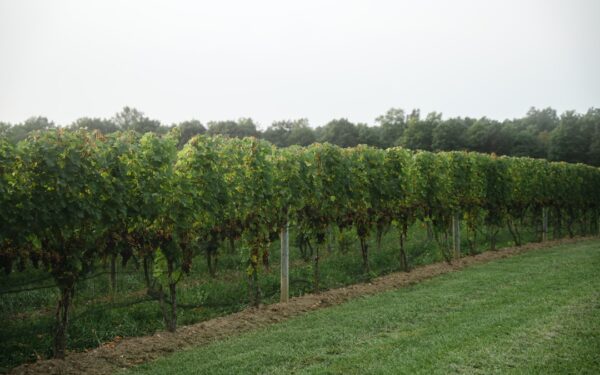
The east side of Keuka Lake, with its steep west-facing slopes, tends to turn ahead of the west side. The vineyards along the Seneca Lake Wine Trail still have green canopy at this point, but the forested hillsides behind the tasting rooms are beginning to shift. Driving the eastern shore of Seneca Lake on Route 414 between Watkins Glen and Geneva gives you a layered view: green vineyards in the foreground, turning forest in the middle ground, and deepening color on the far ridgeline across the lake.
Second Week of October (October 8 to 14): Early Peak at Higher Elevations
This is when the upper half of the landscape reaches peak color. The Bristol Hills between Canandaigua Lake and Honeoye Lake are at their most vivid. Harriet Hollister Spencer State Recreation Area, perched at 1,900 feet between the two lakes, is one of the finest vantage points in the region during this window — from the overlook, you can see Honeoye Lake framed by a full canopy of red, orange, and gold. The park is a 15-minute drive south of Canadice and is rarely crowded, even on peak weekends.
The gorge trails around Ithaca reach their visual peak during this week. Taughannock Falls with its 215-foot drop framed by orange and red shale-edge maples is the single most photographed fall foliage scene in the Finger Lakes. Arrive before 10 a.m. to avoid the parking lot reaching capacity. The flat gorge trail to the falls base is three-quarters of a mile and takes 20 minutes each way.
Canandaigua Lake peaks slightly ahead of Seneca and Cayuga because it is shallower (127 feet maximum depth compared to Seneca’s 618 feet) and does not retain as much heat. The drive along Route 21 on the west shore from the city of Canandaigua south to Naples is one of the region’s best fall drives — 25 miles, 40 minutes, with lake views and hillside color the entire way.
Third Week of October (October 15 to 21): Full Regional Peak
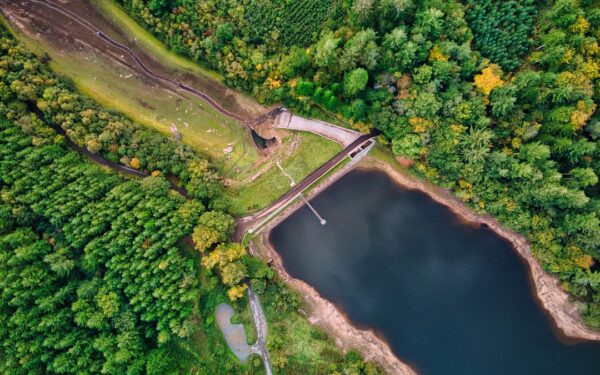
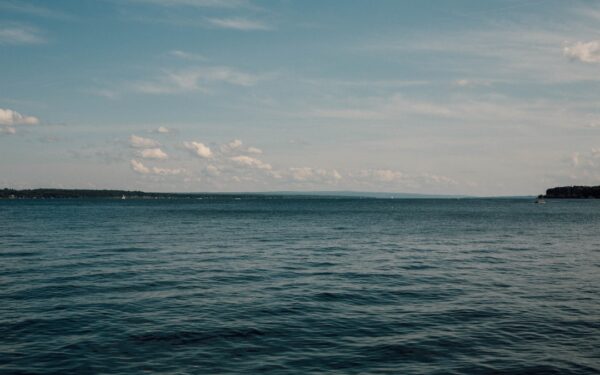
This is typically the money week. Color has descended from the ridgetops to the lake level, and the full landscape is engaged. Seneca Lake and Cayuga Lake, the last to turn because of their thermal mass, finally reach peak along their shorelines. The deep blue water of the lakes against the surrounding orange and red hillsides creates the views that define Finger Lakes autumn.
The best single vantage point on Seneca Lake is the overlook at the Finger Lakes National Forest on the ridge between Seneca and Cayuga Lakes, accessible from Route 227 south of Reynoldsville. From here, on a clear day, you can see Seneca Lake to the west and Cayuga Lake to the east, both framed by peak color. The national forest itself has 30 miles of trails through open meadows and hardwood forest, all at peak during this window.
On Cayuga Lake, the village of Aurora on the east shore is particularly striking — the historic brick and stone buildings of Wells College against a backdrop of turning maples along the lakeshore. The drive on Route 90 along the east side of Cayuga Lake from Ithaca to Auburn runs 45 miles and passes through some of the most vivid shoreline color in the region.
Keuka Lake is at or just past peak during this week, with the upper elevations beginning to thin. The view from Bluff Point, the peninsula separating Keuka’s two branches, is one of the great fall panoramas — a 3.5-mile hike from the trailhead to the tip, with water and color visible on both sides.
Fourth Week of October (October 22 to 31): The Fade
Color fades from the top down, reversing the pattern of its arrival. Hilltops and exposed ridgelines go bare first. The oaks hold longest, shifting from red to deep brown. The lakeshores, especially the thermal-buffered edges of Seneca and Cayuga, retain color into the last days of October, sometimes into early November in a warm year. By Halloween, the show is effectively over at most elevations, though scattered gold and rust remain in sheltered ravines and south-facing slopes.
Late October is still a fine time to visit. The crowds thin after Columbus Day weekend, tasting rooms have shorter waits, and the light takes on a lower, warmer angle that photographers prize. The trees are not bare — they are past peak but still dressed. The mood shifts from spectacle to something quieter and no less appealing.
Variables That Shift the Timeline
The schedule above represents an average year. Several factors push it earlier or later:
- Drought stress can trigger early color change by a week or more. Trees under water stress shut down chlorophyll production sooner. A dry August and September can push peak into the first week of October rather than the third.
- Warm, wet falls delay the transition. Extended warmth into October can push peak a week later, sometimes into the last few days of the month.
- Frost events matter. An early hard frost (below 28 degrees) can brown leaves before they reach full color, truncating the season. A frost-free October lets the color develop slowly and fully.
- Wind and rain strip leaves. A strong storm in mid-October can knock down foliage that was days from peak, ending the show prematurely on exposed ridgelines while sheltered valleys hold their color.
Practical Planning Tips
If you can only pick one weekend, the second or third weekend of October gives you the best odds of hitting peak or near-peak across the widest range of elevations. Columbus Day weekend (early October) is slightly early for full peak but offers good color at higher elevations with the convenience of a long weekend.
Book accommodations early. October weekends are the highest-demand period of the year for lodging in the Finger Lakes — cabins, inns, and vacation rentals book out two to three months ahead for peak weekends. Midweek stays are easier to find and let you enjoy the trails and tasting rooms without weekend crowds.
For a full October trip itinerary that pairs fall foliage with wine tasting and gorge hiking, see our complete fall foliage guide. For the broader context of when to visit throughout the year, our best time to visit the Finger Lakes guide covers every season in detail.